分类: society

  • Turkey: Ankara city hall says water cuts due to ‘record drought’

    Turkey: Ankara city hall says water cuts due to ‘record drought’

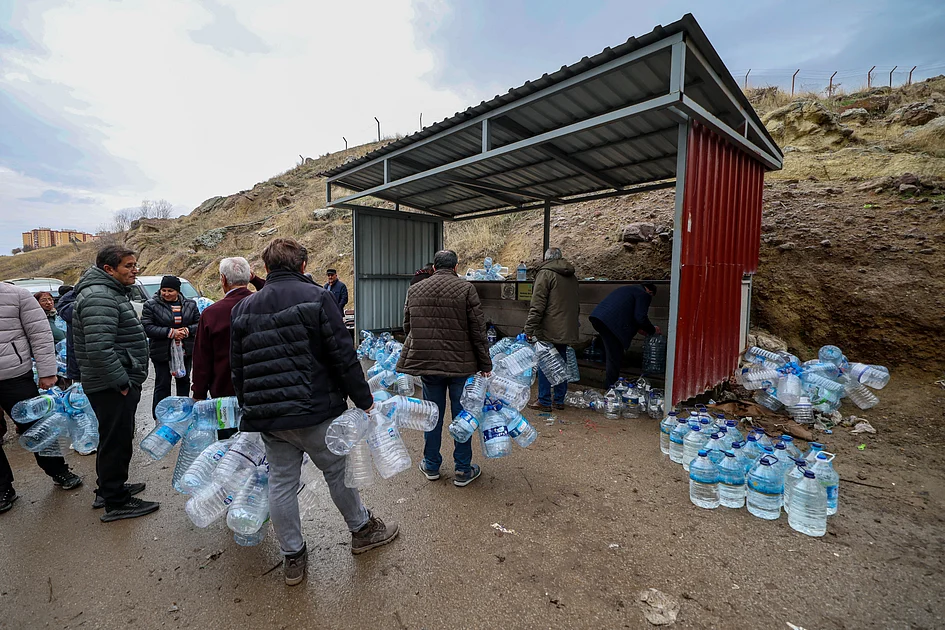
    Ankara’s municipal government has confirmed that ongoing water rationing measures across the Turkish capital result from the most severe drought conditions witnessed in fifty years, compounded by rapid urban population growth. Reservoir levels supplying the city have plummeted to a critical 1.12 percent capacity, prompting authorities to implement scheduled water shut-offs across various districts daily.

    The city’s water authority director, Memduh Akcay, provided alarming data showing water inflow to dams dropped dramatically to 182 million cubic meters in 2025, compared to historical averages of 400-600 million cubic meters. This represents the lowest precipitation levels recorded since modern measurements began.

    Political tensions have emerged as President Recep Tayyip Erdogan criticized opposition-led municipal authorities as “incompetent” in handling the crisis. City officials counter that climate change effects and Ankara’s population explosion—doubling since the 1990s to nearly six million residents—are primary factors overwhelming water infrastructure.

    Akcay explained that reduced precipitation, irregular rainfall patterns, diminished snowfall, and rapid urban runoff due to construction have severely impaired dam replenishment capabilities. While emergency pumping systems have temporarily suspended cuts for the weekend, officials warn that sustainable solutions remain dependent on sufficient rainfall that has yet to materialize.

    The crisis extends beyond Ankara, with Izmir—Turkey’s third-largest city—implementing daily water restrictions since summer 2025 amid a nationwide historic drought.

  • Palestinian doctor Ghassan Abu Sittah wins misconduct case

    Palestinian doctor Ghassan Abu Sittah wins misconduct case

    In a significant ruling, the UK’s Medical Practitioner Tribunal Service has dismissed a professional misconduct case against Dr. Ghassan Abu Sittah, a prominent Palestinian reconstructive surgeon. The case, initiated by the pro-Israel advocacy group UK Lawyers for Israel (UKLFI) in 2023, alleged that Dr. Abu Sittah’s public writings and social media posts impaired his fitness to practice medicine.

    The complaint centered on an article published in the Lebanese newspaper Al Akhbar and two reposted messages on the social media platform X. The article referenced the ‘martyrdom’ of alleged Hamas member Ahmad Nasr Jarrar and contained the phrase ‘the people have no weapon left but revolutionary violence.’ Another reposted tweet congratulated Hamas and the Popular Front on their anniversary.

    After a two-year investigation, the tribunal concluded that an ‘ordinary reader’ would interpret the anniversary tweet as a simple commemoration rather than as material or moral support for a terrorist organization. Furthermore, the panel found no evidence that the content was antisemitic or constituted endorsement of terrorism or violence.

    Dr. Abu Sittah, who is also the rector of the University of Glasgow, characterized the complaint as part of a broader ‘lawfare’ strategy designed to silence and intimidate supporters of Palestinian rights. He vehemently denied supporting violence against civilians, stating, ‘I know too well its consequences… I can tell you what a child’s face looks like when half of it has been blown away.’

    The surgeon revealed this was the second complaint filed against him with the General Medical Council by UKLFI and the tenth such complaint by the group overall. Dr. Abu Sittah gained international recognition for providing medical care during 43 days in Gaza following Israel’s initial offensive in October 2023, where he served as an unofficial English-language representative for Palestinian medics and made allegations regarding the Israeli military’s use of white phosphorus in populated areas.

  • 4 dead, more than 36 missing after Philippines landfill collapse

    4 dead, more than 36 missing after Philippines landfill collapse

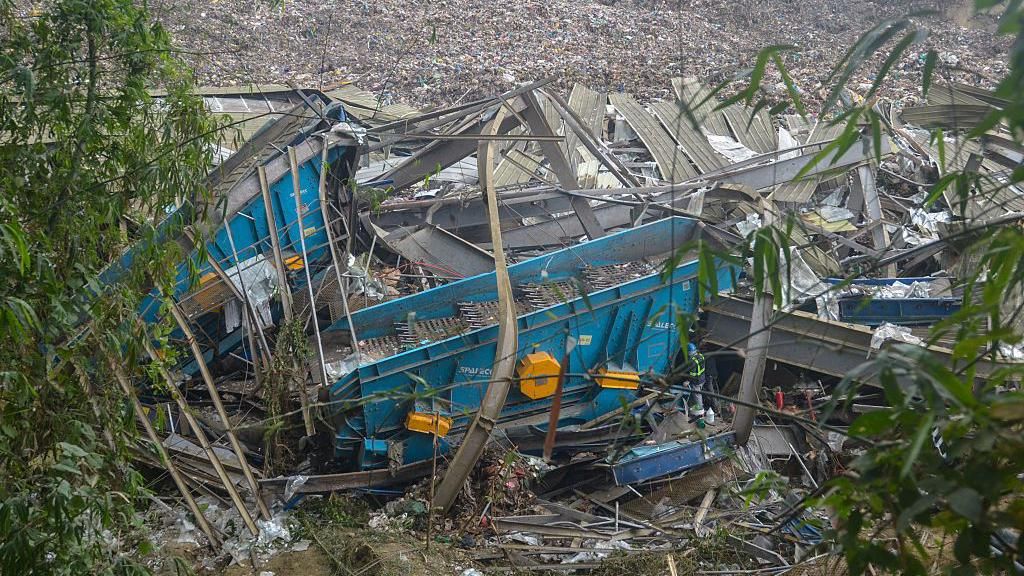
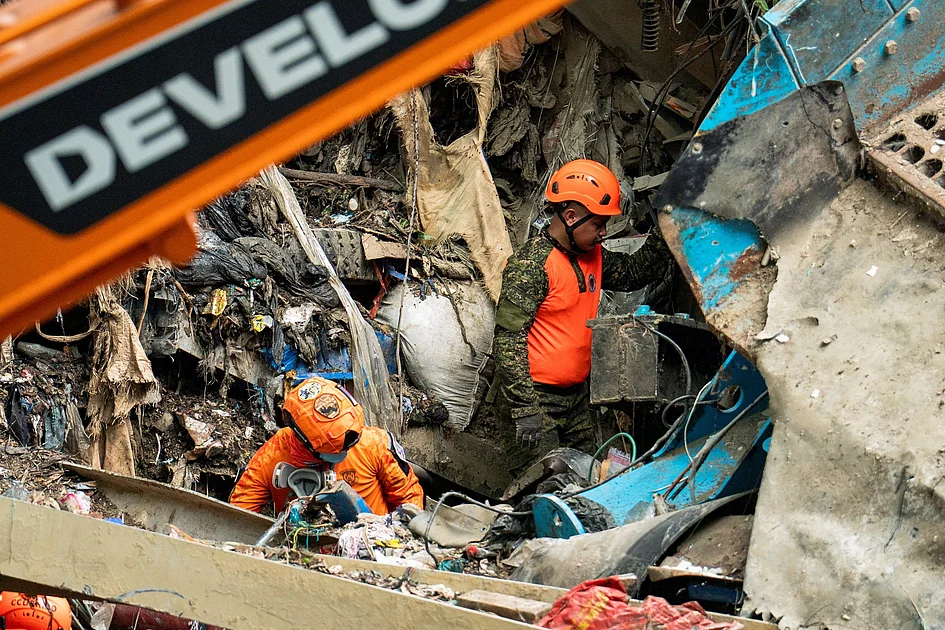
    Rescue operations in Cebu City, Philippines, entered a critical phase on Saturday following the catastrophic collapse of the Binaliw landfill on Thursday. Municipal authorities confirmed the death toll has risen to four, with at least 36 individuals remaining unaccounted for amidst the rubble. The tragedy occurred during peak operational hours, with 110 workers present on-site, leading to widespread damage to several structures and facilities within the landfill perimeter.

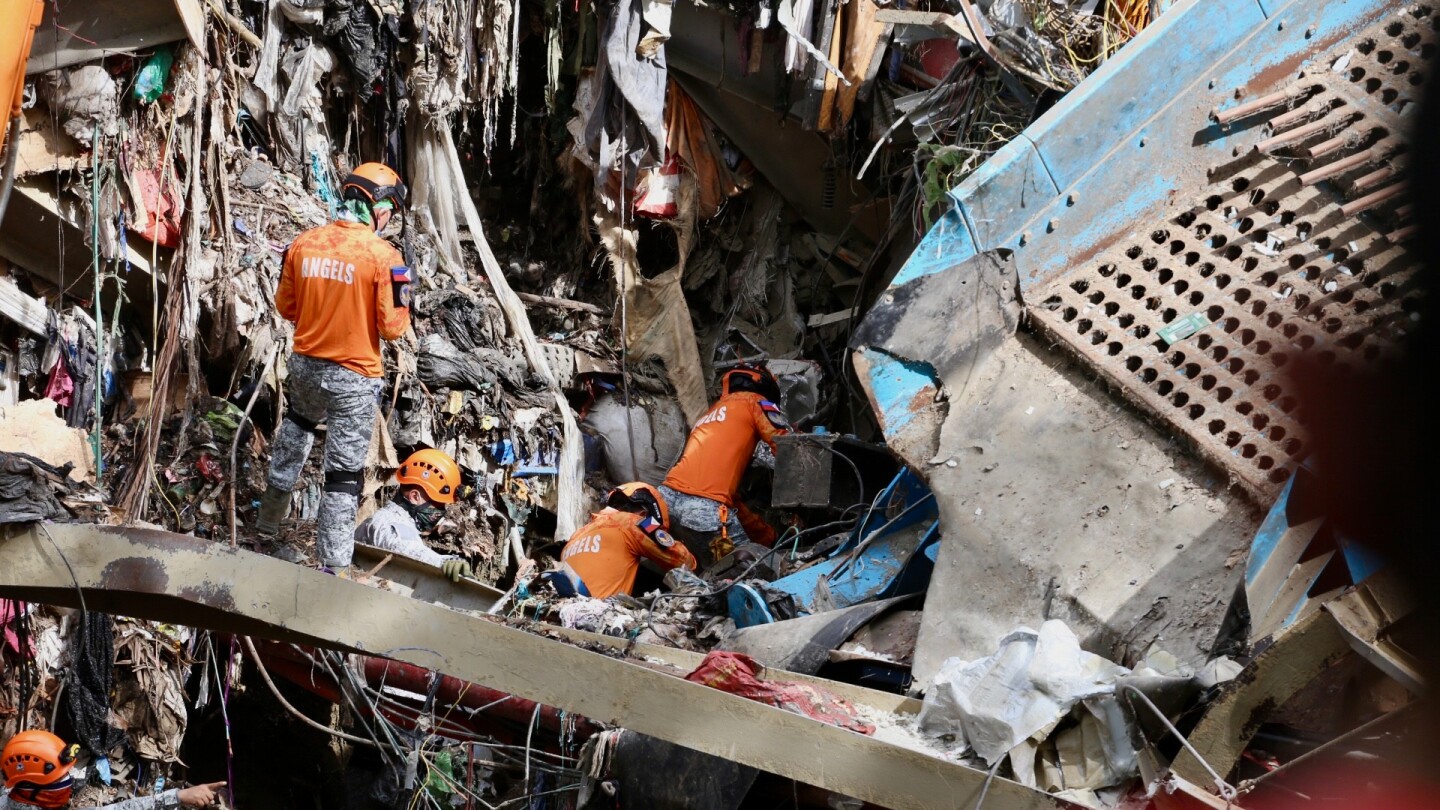
    Cebu City Mayor Nestor Archival provided updates via an official Facebook post, indicating that twelve injured individuals have been hospitalized. Rescue teams, utilizing advanced detection equipment, have identified signs of life in specific sections of the collapse site, prompting the deployment of a 50-tonne crane for precise excavation efforts. The complex rescue operation requires meticulous debris removal to avoid further endangering potential survivors.

    Families of missing workers maintained vigil at the disaster perimeter, expressing hope despite diminishing odds. Jerahmey Espinoza, whose husband remains among the missing, conveyed the collective anxiety and resilience of affected families, stating, ‘They haven’t seen him or located him ever since the disaster happened. We’re still hopeful that he’s alive.’

    The incident has raised serious questions regarding landfill safety protocols and infrastructure stability in rapidly urbanizing areas. Previous weather patterns, including recent rainfall, are being investigated as potential contributing factors to the structural failure. This disaster represents one of the most severe industrial accidents in recent Philippine history, highlighting vulnerabilities in waste management systems.

  • Rescuers race to find dozens missing in deadly Philippines landfill collapse

    Rescuers race to find dozens missing in deadly Philippines landfill collapse

    Emergency crews in the central Philippine city of Cebu are engaged in a critical round-the-clock operation to locate more than 30 missing individuals following a catastrophic landfill collapse. The disaster struck the privately-operated Binaliw landfill on Thursday while approximately 110 workers were present at the site.

    Cebu City Mayor Nestor Archival confirmed Saturday that rescue teams have detected promising signs of life beneath the massive debris field, though unstable conditions continue to hamper recovery efforts. The confirmed death toll stands at four persons, with twelve others having been transported to medical facilities for treatment.

    Authorities face significant operational challenges due to precarious debris formations that pose ongoing safety risks. Rescue coordination officials emphasize they are awaiting the deployment of specialized heavy equipment, including a 50-ton crane, to facilitate careful excavation of identified survival zones.

    Families of missing workers maintain vigil at the disaster perimeter, clinging to hope despite the elapsed time since the incident. Jerahmey Espinoza, whose husband remains among the missing, conveyed to Reuters: “They haven’t seen him or located him ever since the disaster happened. We’re still hopeful that he’s alive.”

    Preliminary investigations suggest the collapse may stem from problematic waste management practices. City councillor Joel Garganera indicated operators had been excavating soil from the mountainside while simultaneously accumulating waste into artificial peaks, potentially compromising structural integrity.

    The 15-hectare facility serves as a critical waste management hub for Cebu, the central trading and transportation nexus of the Visayas island chain. Such landfill sites remain commonplace across major Philippine urban centers, raising ongoing concerns about infrastructure safety and regulatory oversight in waste management systems.

  • VR headsets are ‘hope machines’ inside California prisons, offering escape and practical experience

    VR headsets are ‘hope machines’ inside California prisons, offering escape and practical experience

    A groundbreaking virtual reality initiative is revolutionizing rehabilitation within California’s correctional system, offering incarcerated individuals both psychological respite and practical skills for societal reintegration. Spearheaded by Los Angeles-based nonprofit Creative Acts, the program utilizes Meta-donated Oculus headsets to transport inmates to diverse environments ranging from Thailand’s vibrant markets to simulated job interview settings.

    At Valley State Prison near Fresno, participants like Jacob Smith—who has served twenty years—experience transformative journeys through VR technology. ‘I went to Thailand, man!’ Smith exclaimed, describing his first immersive encounter with Southeast Asian landscapes. Beyond providing temporary escape, the program specifically designs scenarios addressing real-world challenges former inmates will face, including employment interviews, civic procedures, and everyday tasks like using ATMs or public transportation.

    Founder Sabra Williams characterizes the VR devices as ‘hope machines,’ evolving from her previous prison arts projects. The program now includes 100 headsets deployed across four California prisons, serving both general populations and solitary confinement units three times annually. Post-experience debriefing sessions help process emergent emotions and traumas, with volunteers like former inmate Richard Richard guiding participants through their psychological responses.

    Criminal justice experts recognize the program’s dual benefits. Nancy La Vigne of Rutgers-Newark School notes VR’s potential for reducing aggression through nature exposure while preparing long-incarcerated individuals for technological changes. The California Department of Corrections officially endorses these innovative approaches, acknowledging VR’s capacity to ‘heal trauma, regulate emotional response, and prepare for safe, successful reentry.’

    For many participants, the experience proves profoundly emotional. Williams recounts numerous instances of inmates removing headsets in tears, expressing awe that ‘I never knew the world was so beautiful.’ As the program expands, it represents a significant advancement in correctional rehabilitation methodologies, blending technological innovation with psychological support to address recidivism and prisoner welfare.

  • Salute to everyday heroes

    Salute to everyday heroes

    Across China, ordinary citizens are demonstrating extraordinary contributions to cultural preservation, environmental sustainability, and community welfare, earning recognition as everyday heroes in their respective fields.

    In Hunan Province, students have pioneered an innovative approach to both environmental conservation and cultural heritage by crafting traditional Chinese opera headpieces entirely from recycled materials. This creative initiative not only reduces waste but also introduces younger generations to the intricate art forms of Chinese opera, ensuring their preservation for years to come.

    Meanwhile, in Xizang Autonomous Region, a nursing home organized special celebrations for elderly residents on the anniversary of a significant earthquake, demonstrating community resilience and respect for senior citizens. The event highlighted China’s growing emphasis on elderly care and social support systems in remote regions.

    Historical preservation efforts gained momentum with the reopening of a century-old tunnel named after Taiwan’s first governor. This restoration project has revived historical memories and connections between mainland China and Taiwan, serving as both a tourist attraction and educational site.

    In Chongqing, an innovative urban transformation project has converted a former air-raid shelter into a thriving bookstore, now recognized as a tourism touchstone. This adaptive reuse of historical infrastructure demonstrates how cities can creatively repurpose spaces while honoring their historical significance.

    Additional initiatives include a Chinese couple’s remarkable project of transforming 100,000 photographs of the Great Wall into a dedicated museum, beating the drum of heritage preservation through visual documentation. These collective efforts across various provinces showcase how individual citizens are actively participating in cultural preservation, environmental sustainability, and community building throughout China.

  • Filipino rescuers detect ‘signs of life’ in garbage avalanche that killed 4 and left dozens missing

    Filipino rescuers detect ‘signs of life’ in garbage avalanche that killed 4 and left dozens missing

    CEBU CITY, Philippines — Search and rescue teams have detected signs of life within the rubble of a catastrophic garbage avalanche that engulfed a waste management facility in central Philippines, offering hope amid a devastating incident that has claimed at least four lives and left dozens missing.

    The tragedy occurred Thursday at the Binaliw village landfill in Cebu City when a massive wall of refuse collapsed without warning, burying low-lying structures under tons of debris. Despite favorable weather conditions, the sudden collapse trapped numerous workers beneath twisted metal roofing, iron supports, and highly combustible waste materials.

    Authorities confirmed Saturday that twelve workers have been successfully extracted with various injuries while emergency crews continue their painstaking search for more than thirty missing individuals. Cebu City Mayor Nestor Archival announced that specialized equipment, including a 50-ton crane accompanied by police escort, is being deployed to assist in the delicate excavation process.

    ‘Safety protocols have been intensified due to multiple hazards including structural instability and acetylene exposure risks,’ Mayor Archival stated. ‘We’ve established controlled access points to protect responders while maintaining search operations in areas where life signs have been detected.’

    Victims identified so far include both facility staff and office workers from the 110-employee complex. The death toll rose from two to four between Friday and Saturday, though official numbers of missing persons remain fluid as rescue efforts continue.

    Survivor Jaylord Antigua, 31, described the terrifying moment of collapse to Associated Press reporters. ‘The garbage wall descended without any warning despite clear weather,’ recounted Antigua, who escaped with minor bruises after crawling through darkness toward a light source. ‘I moved quickly, fearing subsequent landslides—it was profoundly traumatic. This feels like a second life.’

    The incident raises serious concerns about waste management infrastructure throughout the Philippines, where landfills and open dumpsites have historically posed significant public health and safety risks, particularly to adjacent impoverished communities where residents often scavenge for recyclables and food remnants.

    This tragedy echoes a similar 2000 disaster in Quezon City where a garbage mound collapse during stormy conditions resulted in over 200 fatalities and prompted nationwide reforms in waste management policy. Mayor Archival acknowledged that preparations are underway to address impending garbage collection challenges resulting from the facility’s closure.

  • Swiss search souls and question government after ski resort fire

    Swiss search souls and question government after ski resort fire

    The devastating New Year’s Eve blaze at Le Constellation bar in Crans-Montana has ignited a profound national reckoning about Switzerland’s cherished decentralized governance model. With 40 young lives lost and 116 severely injured, the Alpine nation confronts uncomfortable questions about accountability in its famously devolved political system.

    Switzerland’s governance structure empowers local communities through part-time elected officials who oversee everything from education to fire safety inspections. This system, long celebrated for ensuring grassroots accountability, now faces scrutiny after Crans-Montana’s Mayor Nicolas Feraud disclosed the tragic venue hadn’t undergone mandatory fire safety checks since 2019. Shockingly, only 40 of 128 local establishments received inspections in 2025.

    The revelation triggered national fury, particularly as Crans-Montana and neighboring Zermatt rank among Switzerland’s wealthiest resorts. Mayor Feraud’s explanation—claiming insufficient inspectors—rang hollow for citizens who expect operational excellence from their institutions. Swiss journalists pressed aggressively about potential conflicts of interest in a system where inspectors often know establishment owners personally.

    This tragedy transcends typical administrative failure. Survivors’ accounts reveal deep trauma—brothers escaping separately while believing the other had perished. Their mother’s public plea for ‘complete, transparent answers’ encapsulates national sentiment.

    The crisis echoes previous Swiss institutional failures—Swissair’s 2001 collapse and UBS’s 2008 bailout—but with greater moral gravity. Unlike financial mismanagement, this represents catastrophic human cost. Valais President Matthias Reynard pledged a ‘strict and independent’ investigation near tears at Friday’s memorial service, while national President Guy Parmelin promised justice ‘without delay and without leniency.’

    Legal actions are mounting, with attorney Romain Jourdan preparing cases against Crans-Montana’s council to ensure ‘such a tragedy never happens again.’ Broader systemic reforms are emerging, including proposals to transfer inspection authority from municipalities to canton level.

    Paradoxically, the emergency response highlighted Swiss excellence—firefighters, paramedics, and helicopters arrived within minutes. Yet this efficiency magnifies the tragedy: world-class emergency services cannot compensate for neglected preventive measures.

    The Swiss now question whether their decentralized model can meet 21st-century safety demands when part-time officials oversee complex regulatory frameworks. As the nation mourns, it confronts whether local accountability requires stronger oversight mechanisms to prevent future tragedies.

  • Night of Swiss ski bar fire ‘apocalyptic’, woman tells Crans-Montana memorial

    Night of Swiss ski bar fire ‘apocalyptic’, woman tells Crans-Montana memorial

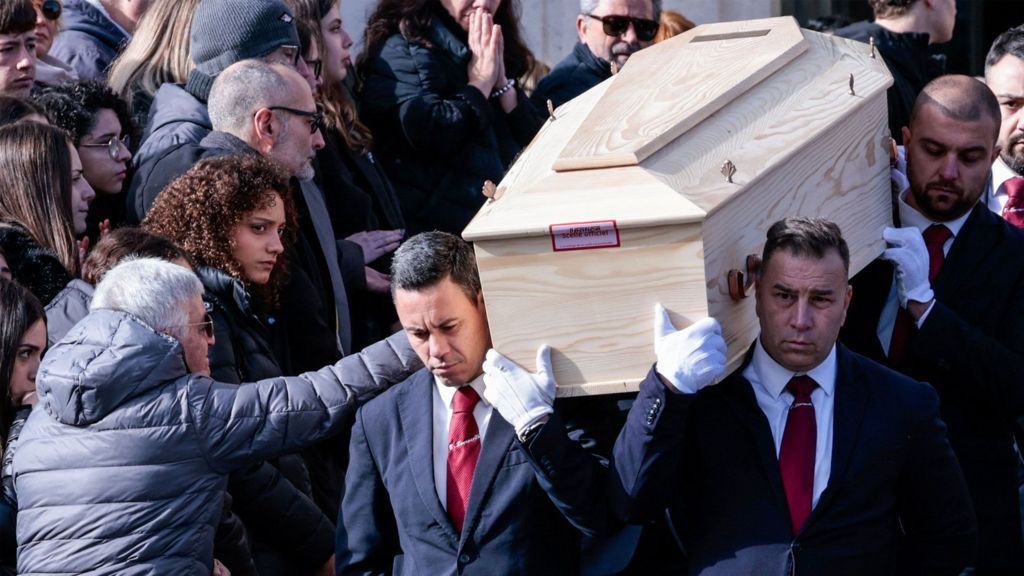
    Switzerland observed a solemn day of national mourning on Friday as church bells resonated across the nation, commemorating the 40 young lives tragically lost in the New Year’s Eve inferno at Le Constellation bar in Crans-Montana. The emotional commemorations were immediately overshadowed by significant judicial developments, with authorities detaining bar co-owner Jacques Moretti following a reassessment of his flight risk.

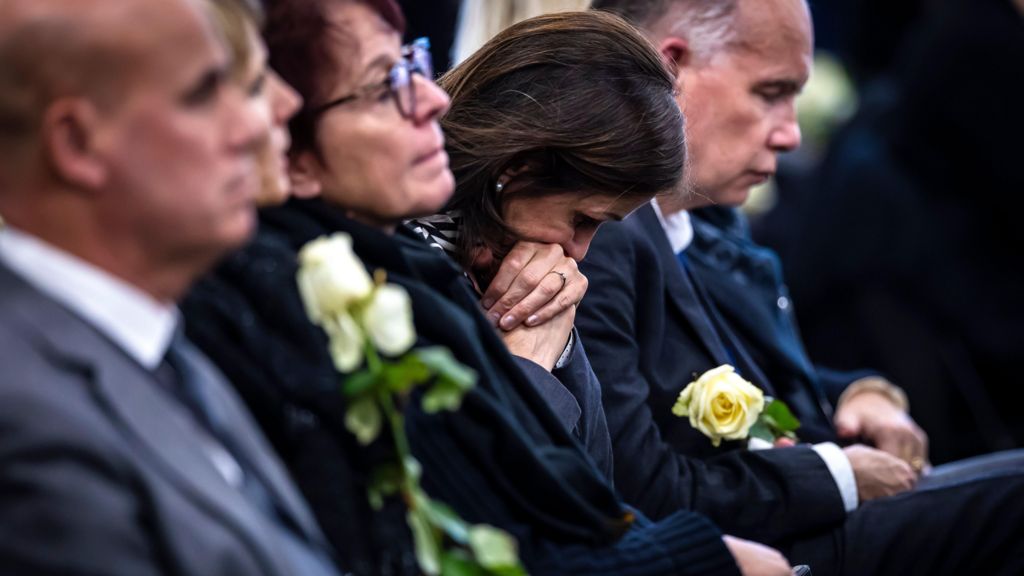
    The memorial ceremony in Martigny witnessed heartbreaking scenes as grieving families, survivors—some still hospitalized—and international dignitaries including the presidents of France and Italy gathered in solidarity. Attendees clasped white roses and held hands for comfort during the service, where firsthand accounts revealed the horror of the catastrophic blaze.

    Marie, a witness who assisted victims from the adjacent bar, delivered a chilling testimony: “We faced unbearable images—a scene worse than nightmare. Screams piercing the icy cold, the smell of burning. It was apocalyptic.” Her words echoed through the ceremony attended by representatives from nations whose citizens perished in the tragedy.

    Judicial authorities have launched a negligence investigation against both bar owners, Jacques and Jessica Moretti, for allegedly causing death and injury through negligence. Jessica Moretti broke her silence after questioning, stating: “I constantly think of the victims. It happened in our establishment, and I would like to apologize for this unimaginable tragedy.”

    Emerging evidence paints a disturbing picture of preventable failures. Mobile footage indicates the fire originated from a sparkler contacting soundproofing foam that had never undergone safety testing. Additional footage from six years prior reveals staff warnings about the flammable ceiling material, raising questions about long-standing negligence.

    Local authorities admitted to not conducting mandatory safety inspections for five years, compounding the systemic failures. Italy’s Ambassador to Switzerland, Gian Lorenzo Cornado, emphasized the demand for justice: “It was a hell inside that bar with over 1,000 degrees temperature. There was no way to escape.”

    Medical personnel at Sion regional hospital faced extraordinary challenges, with doctors fearing their own children might be among the victims. Hospital director Eric Bonvin described the identification process for severely burned victims and the long recovery ahead as a “rebirth” process for those facing life-altering injuries.

    The tragedy continues to resonate through the community where makeshift memorials grow daily, protected from the elements by canvas, as Switzerland seeks answers and accountability for one of its deadliest modern disasters.

  • ‘An attack on women’s dignity’: Walls whitewashed after silhouettes defaced in Indian city

    ‘An attack on women’s dignity’: Walls whitewashed after silhouettes defaced in Indian city

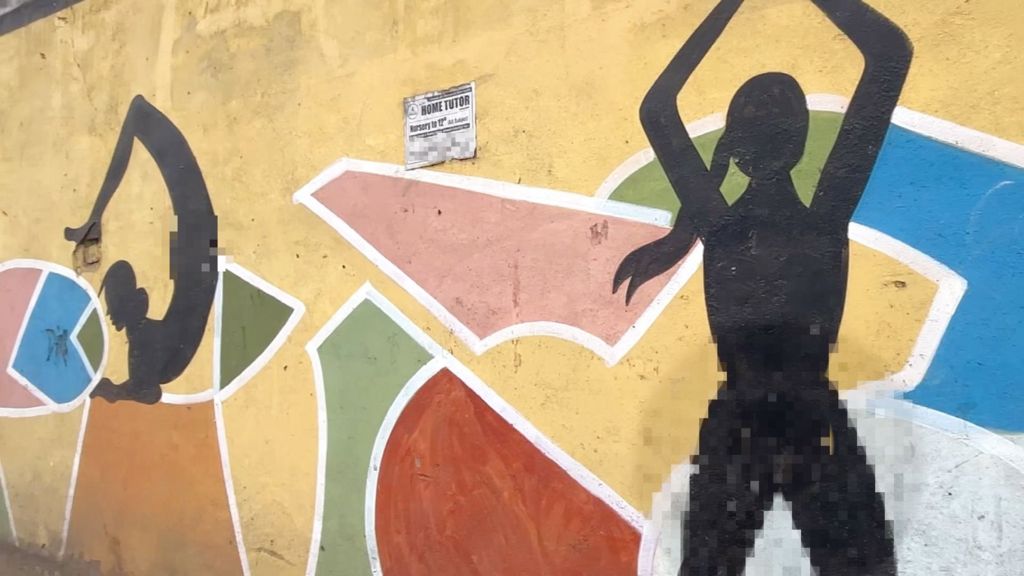
    A disturbing incident of public art vandalism in Gwalior, central India, has ignited nationwide conversations about gender-based harassment and women’s safety in public spaces. The controversy began when a school student’s Instagram video revealed deliberately defaced female yoga silhouettes on a city beautification mural, with explicit markings targeting the genital areas of the figures.

    The teenage activist expressed profound disappointment in her viral post, stating that witnessing the sexualized defacement of artistic representations filled her with ‘anger and disgust.’ Her documentation triggered substantial social media backlash, with numerous commentators noting that women remain vulnerable ‘even in graffiti.’ National media outlets characterized the incident as both shameful and symptomatic of deeper societal issues.

    In response to mounting public pressure, local authorities initiated whitewashing of the affected walls. Municipal spokesman Umesh Gupta attributed the vandalism to unidentified ‘miscreants’ and acknowledged surveillance limitations in the area. The corporation subsequently announced a street art competition focusing on civic themes, though notably excluding yoga motifs from the proposed subjects.

    Social activist Kalpana Viswanath of Safetipin contextualized the event within India’s broader challenges regarding women’s access to public spaces. She emphasized that such acts constitute a form of sexual harassment regardless of whether directed at women or their artistic representations. While acknowledging the psychological impact of such incidents on women’s freedom of movement, Viswanath found encouragement in young women’s increasing willingness to challenge patriarchal norms, particularly those from smaller urban centers.

    The incident reflects global patterns of gendered interactions with public art, paralleling phenomena like the discolored breasts of bronze statues worldwide due to inappropriate touching. This case underscores the complex intersection of public art, gender politics, and urban space management in contemporary India.