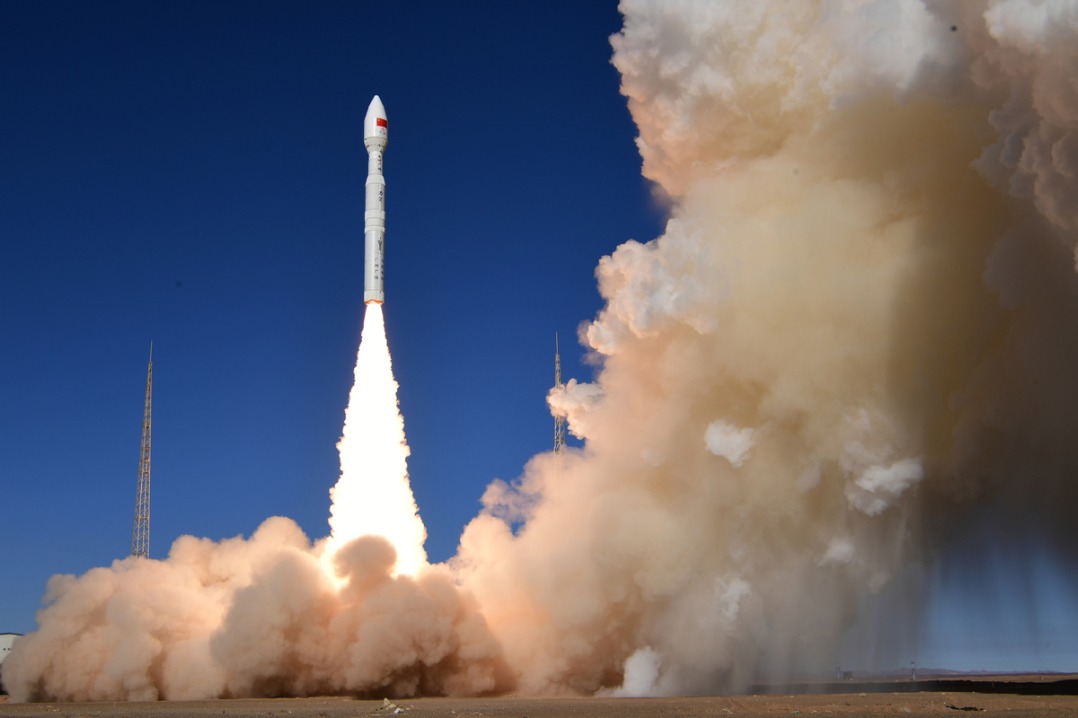
On November 9, 2025, China achieved another milestone in its space exploration endeavors with the successful launch of the Lijian 1 Y9 carrier rocket. The rocket, which carried two technical experiment satellites, took off at 11:32 am Beijing Time from the Dongfeng commercial space innovation pilot zone, located near the Jiuquan Satellite Launch Center in Northwest China. The mission was executed flawlessly, with the satellites being deployed into their designated orbits as planned. This launch underscores China’s growing capabilities in space technology and its commitment to advancing scientific research and innovation. The Lijian 1 Y9 rocket is part of China’s broader strategy to enhance its presence in the global space industry, leveraging cutting-edge technology and fostering international collaboration. The successful mission also highlights the country’s ability to conduct complex space operations with precision and efficiency, further solidifying its position as a key player in the global space race.
分类: science
-
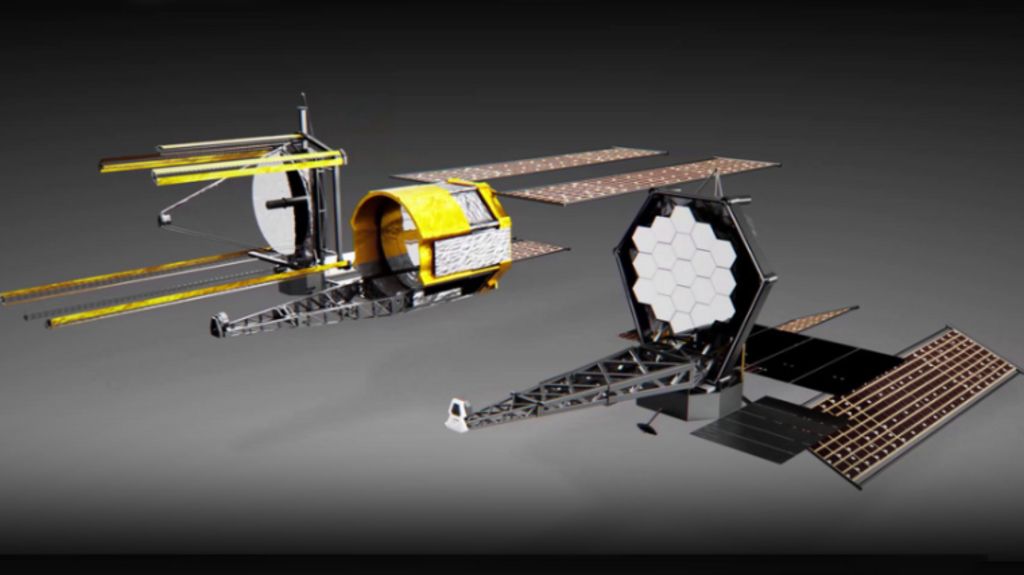
Camera being designed to search for alien life
A groundbreaking camera, designed to detect signs of life on distant planets, is being developed by a consortium of UK scientists for NASA’s Habitable Worlds Observatory (HWO). This state-of-the-art imaging device, spearheaded by researchers at Durham University, will be a cornerstone of the HWO mission, set to launch in the early 2040s. The HWO will be the first telescope specifically engineered to identify Earth-like planets and scrutinize them for biological indicators. Professor Richard Massey of Durham University likened the new technology to the ’21st Century’s Hubble Space Telescope,’ emphasizing its potential to unlock numerous scientific mysteries. Beyond the search for extraterrestrial life, the telescope will observe asteroid collisions, delve into black holes, and investigate the enigma of dark matter. Rocky planets, similar to Earth, are notoriously challenging to study due to their proximity to bright stars. To overcome this, the HWO will employ a coronagraph to obscure the stellar glare, enabling the first-ever detailed observations of these planets. The camera will also measure planetary mass and analyze atmospheric chemistry for signs of life. The UK hardware team, led by University College London, includes experts from the University of Portsmouth, RAL Space, the UK Astronomy Technology Centre, and Durham University. This initiative is one of two groups funded by the UK Space Agency to explore the feasibility of a UK-led high-resolution imager, with the other group being led by the University of Leicester.
-

Nobel laureate in chemistry: Give young scientists more independence
The 2025 Beijing Forum commenced on November 7 at the Diaoyutai State Guesthouse, focusing on the theme ‘Civilizational Co-Existence in the Age of Digital Intelligence.’ During the event, Michael Levitt, the 2013 Nobel Laureate in Chemistry, emphasized the critical need to provide young scientists with enhanced support and independence. In an interview with China Daily Youth Channel, Levitt highlighted that fostering autonomy among emerging researchers is essential for driving innovation and addressing complex global challenges. He argued that young scientists often bring fresh perspectives and creativity, which can be stifled by excessive oversight. Levitt’s call for greater independence aligns with broader discussions at the forum about nurturing talent in the rapidly evolving digital and intelligent era. His insights underscore the importance of creating an environment where young researchers can thrive and contribute meaningfully to scientific advancements.
-
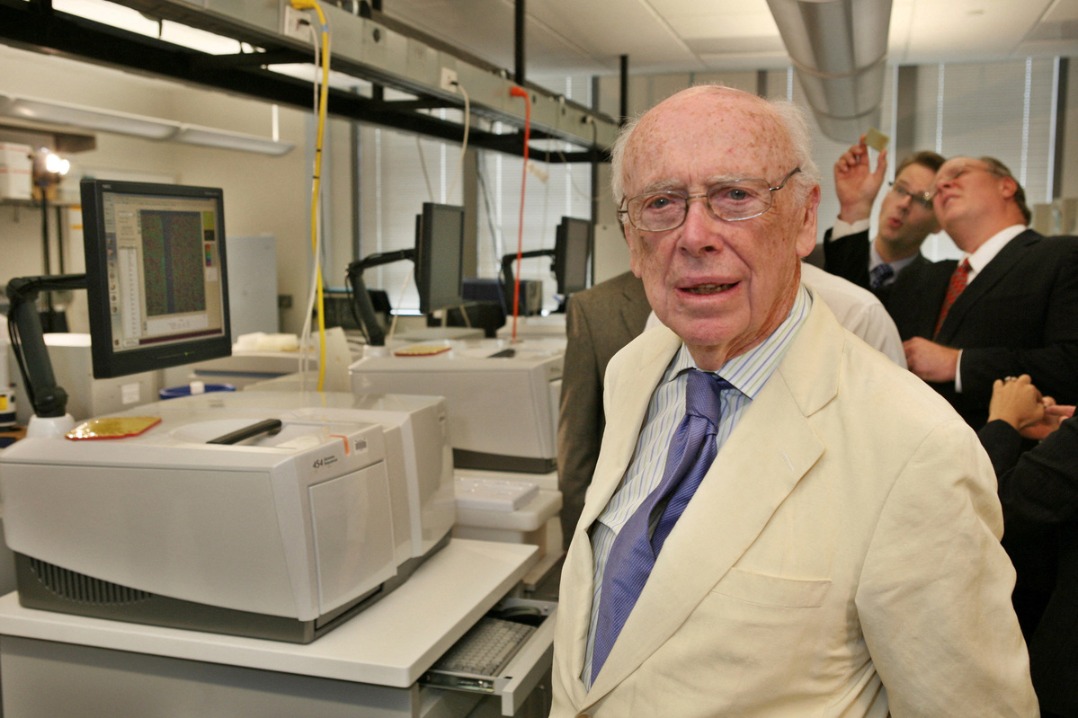
James Watson, co-discoverer of DNA’s double helix, dead at 97
James D. Watson, the renowned American biologist who co-discovered the double-helix structure of DNA, has died at the age of 97. His groundbreaking work in 1953 laid the foundation for modern genetics and catalyzed the biotechnology revolution. Watson’s death was confirmed by Cold Spring Harbor Laboratory on Long Island, where he spent much of his career. According to The New York Times, he passed away this week at a hospice in the same region. Watson’s discovery, made alongside Francis Crick and Maurice Wilkins, earned them the Nobel Prize in Physiology or Medicine in 1962. Despite his scientific achievements, Watson’s later years were marred by controversy due to his contentious remarks on race and genetics. His legacy remains a complex blend of monumental scientific contributions and polarizing public statements.
-
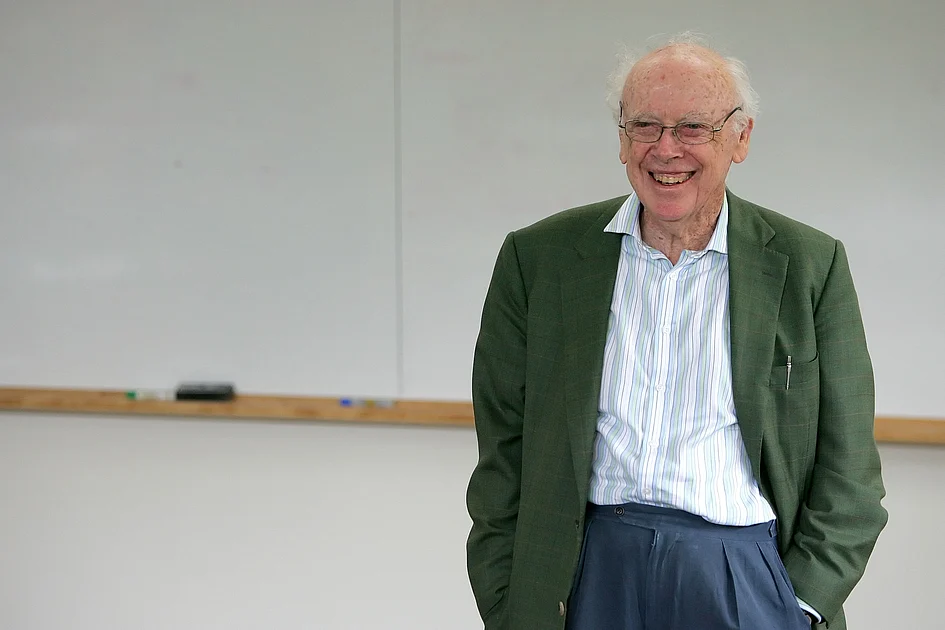
James Watson, Nobel prize-winning DNA pioneer, dead at 97
James Watson, the renowned scientist who co-discovered the double-helix structure of DNA, has died at the age of 97. His passing was confirmed by the Cold Spring Harbor Laboratory, where he spent a significant portion of his career. Watson died on Thursday while in hospice care on Long Island, New York. Watson’s groundbreaking work alongside Francis Crick in 1953 revolutionized the field of molecular biology, earning them the Nobel Prize in Physiology or Medicine in 1962. Their discovery laid the foundation for modern genetics and biotechnology, cementing Watson’s legacy as one of the most influential scientists of the 20th century. However, Watson’s later years were marred by controversy due to his repeated racist remarks, which led to widespread criticism and the revocation of several honors. Despite this, his contributions to science remain monumental. The Cold Spring Harbor Laboratory acknowledged his scientific achievements while distancing itself from his personal views, stating that his work ‘transformed our understanding of life itself.’ Watson’s death marks the end of an era for the scientific community, as the world reflects on his complex legacy of groundbreaking discovery and personal controversy.
-
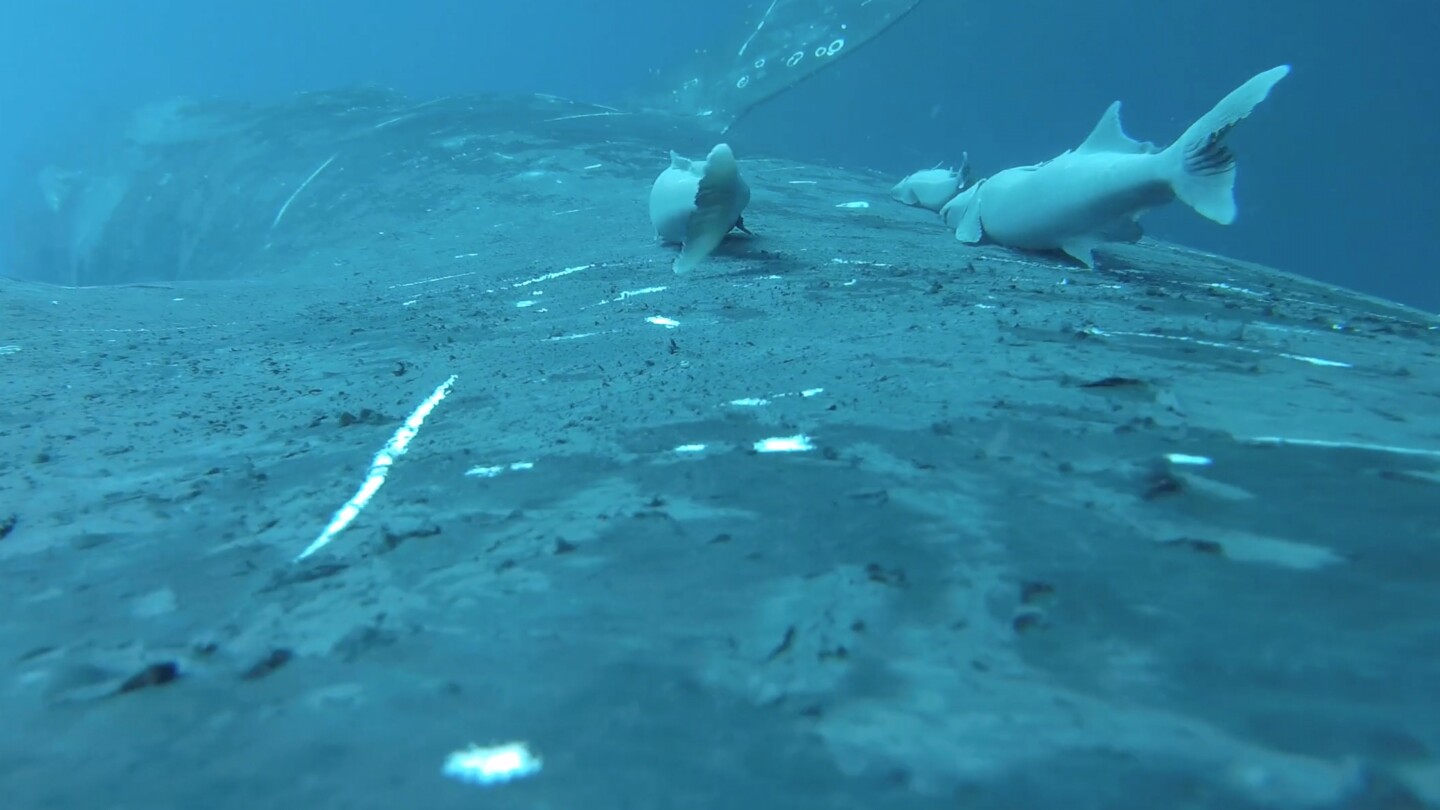
Rare footage shows sucker fish as they whale-surf in the ocean’s wildest joyride
In a remarkable display of marine symbiosis, scientists have captured rare footage of remoras, also known as sucker fish, engaging in high-speed whale surfing off the coast of Australia. These hitchhiking fish, known for their adhesive head plates that create a vacuum seal, cling to humpback whales as they migrate from Antarctica to the warmer waters of Queensland. The footage, recorded by marine scientist Olaf Meynecke from Griffith University, reveals the remoras’ precision in detaching just before the whale breaches and reattaching moments later, showcasing their remarkable instincts. While remoras benefit from feeding on the whales’ dead skin and sea lice, the footage suggests that the whales may find their clingy companions somewhat irritating. Meynecke’s research, initially aimed at studying whale behavior, has inadvertently highlighted the complex relationship between these two species. The study also raises questions about the remoras’ lifecycle, particularly how much of the humpbacks’ 10,000-kilometer migratory journey they accompany their hosts. In the absence of whales, remoras seek other large marine creatures, including manta rays, dolphins, and even scuba divers, to avoid predators. This fascinating interaction underscores the intricate dynamics of marine ecosystems and the adaptability of species within them.
-
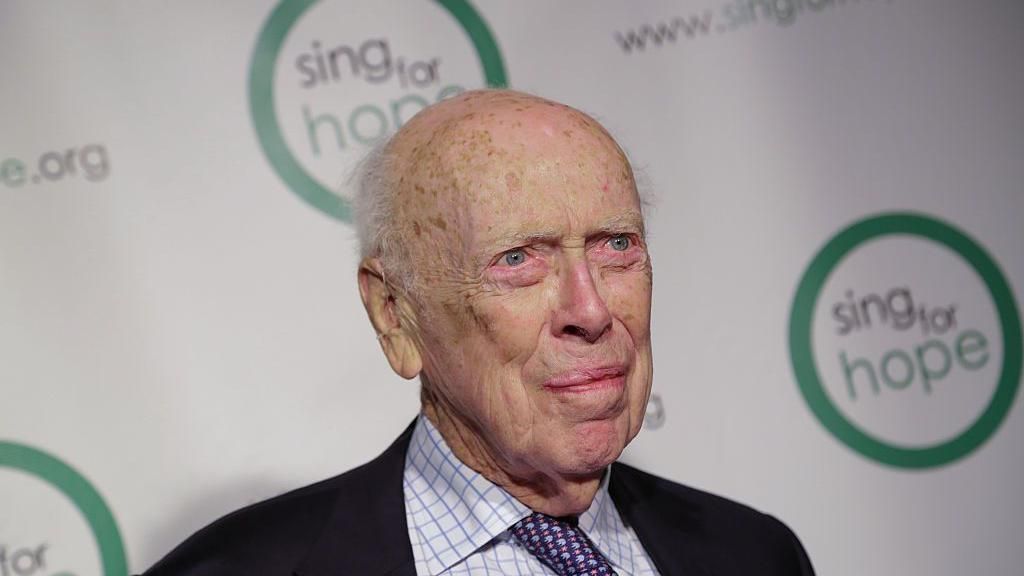
DNA pioneer James Watson dies at 97
James Watson, the Nobel Prize-winning American scientist renowned for co-discovering the double-helix structure of DNA, has passed away at the age of 97. His groundbreaking work in 1953, alongside Francis Crick and Maurice Wilkins, revolutionized molecular biology by unveiling the mechanism of DNA replication and genetic information transmission. This discovery earned them the Nobel Prize in Physiology or Medicine in 1962. However, Watson’s legacy is marred by controversial remarks on race and intelligence, which led to his ostracization from the scientific community and the revocation of his honorary titles in 2019. In a 2007 interview, Watson expressed pessimistic views about Africa’s prospects, linking intelligence to race, which resulted in his dismissal as chancellor of Cold Spring Harbor Laboratory. His 2019 reiteration of such views prompted the lab to strip him of his emeritus titles. Despite his scientific contributions, Watson’s later years were overshadowed by these controversies. He sold his Nobel Prize medal in 2014 for $4.8 million, citing his alienation from the scientific community. Watson’s death was confirmed by Cold Spring Harbor Laboratory, where he conducted decades of research.
-
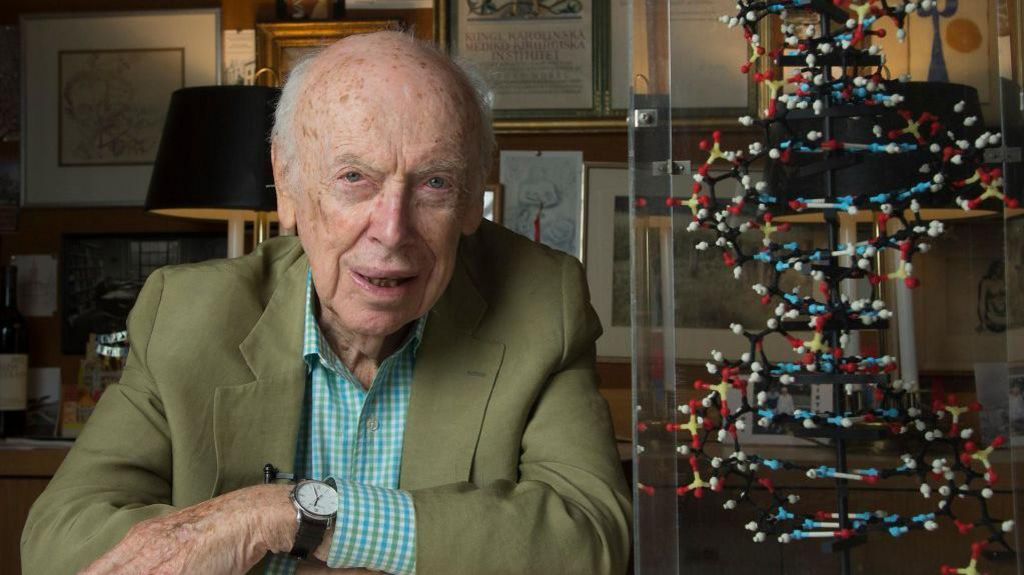
In Pictures: The race to discover the secrets of DNA
The discovery of the double helix structure of DNA stands as one of the most pivotal achievements in scientific history. This groundbreaking revelation was the result of a fierce yet collegial competition between two teams of researchers in the early 1950s. At the University of Cambridge, American biologist James Watson and English physicist Francis Crick collaborated to construct scale models of DNA, aiming to decipher its structure. Simultaneously, at King’s College London, Maurice Wilkins and Rosalind Franklin were employing X-ray crystallography to unlock the molecule’s secrets. Franklin’s work, particularly her iconic ‘Photo 51,’ provided crucial insights into DNA’s helical shape. However, her contributions were overshadowed when Wilkins shared her findings with Watson and Crick without her consent. This act has sparked enduring debates about scientific ethics and recognition. In 1953, Watson and Crick published their seminal paper in ‘Nature,’ proposing the double helix model, which revolutionized biology. Despite their monumental achievement, the role of Rosalind Franklin remains a contentious topic. Watson, Crick, and Wilkins were awarded the Nobel Prize in Medicine in 1962, but Franklin, who had tragically passed away in 1958, was not honored. Her untimely death at 37 robbed her of the recognition she deserved. Today, the double helix model remains a cornerstone of modern science, underscoring the collaborative yet competitive nature of scientific discovery.
-
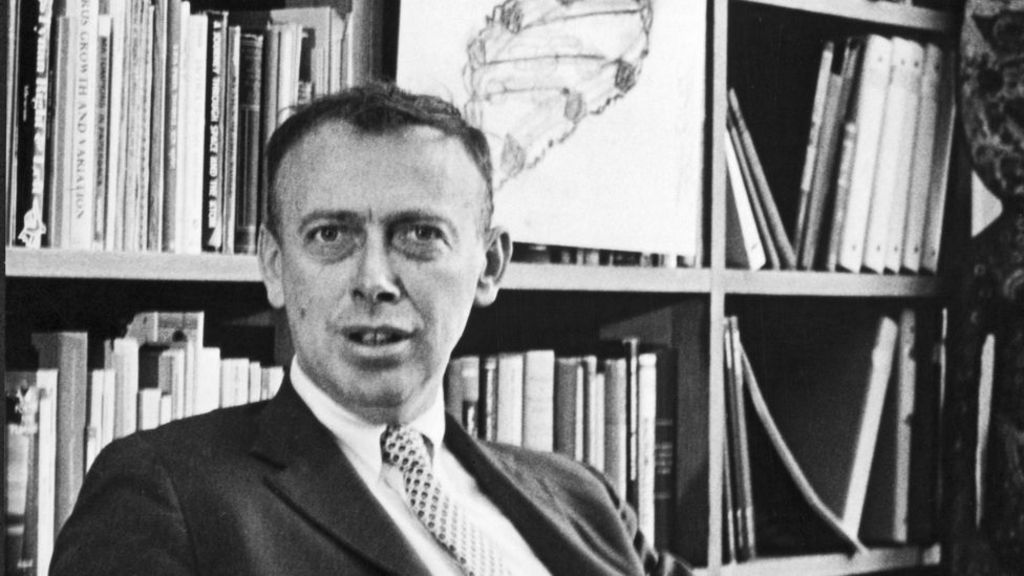
James Watson: Controversial discoverer of ‘the secret of life’
In February 1953, James Watson and Francis Crick made a groundbreaking announcement in a Cambridge pub: they had discovered the structure of DNA, a revelation they boldly termed ‘the secret of life.’ This discovery, which revealed the double-helix shape of deoxyribonucleic acid (DNA), revolutionized biology and earned them the 1962 Nobel Prize in Medicine. Their work not only unlocked the mechanisms of heredity but also ignited decades of genetic research and ethical debates, from human cloning to genetically modified organisms. However, Watson’s legacy is a complex tapestry of scientific brilliance and contentious public statements. Over the years, he sparked outrage with controversial remarks on race, intelligence, and eugenics, leading to widespread criticism and the loss of honorary titles. Despite these controversies, Watson’s contributions to science remain unparalleled, cementing his place as a pivotal figure in modern genetics. His life story, from a curious boy in Chicago to a Nobel laureate, is a testament to the power of scientific inquiry and the challenges of navigating its societal implications.
-
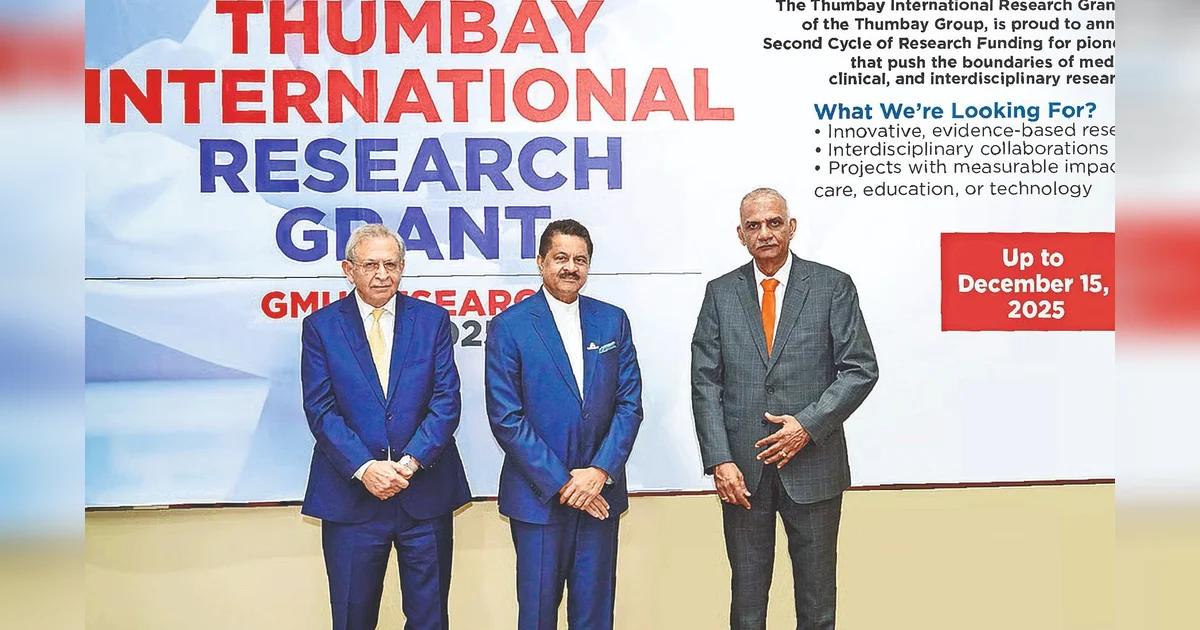
Submission deadline for Thumbay International Research Grant 2025-26 extended until Dec 15
Gulf Medical University (GMU) and the Thumbay Group have announced an extension for the submission deadline of the Thumbay International Research Grant 2025-26, now set for December 15, 2025. This extension provides researchers, academicians, and healthcare innovators worldwide additional time to refine their proposals for one of the UAE’s most prestigious research funding initiatives. The grant, valued at Dh3 million, supports groundbreaking projects in medical, clinical, and interdisciplinary research, aiming to drive significant advancements in patient outcomes, healthcare systems, and medical education. Professor Dr. Manda Venkatramana, Chancellor of GMU, highlighted the grant’s role in fostering innovation and global collaboration, stating, ‘The Thumbay International Research Grant offers a platform for researchers to explore bold ideas and translate science into solutions that improve lives.’ The 2025-26 cycle focuses on high-impact areas such as precision oncology, AI in healthcare, drug discovery, and public health. The grant’s first cycle attracted 192 applications from 34 universities globally, with 14 projects selected for funding, including contributions from Harvard Medical School, the University of Arizona, and other renowned institutions. GMU’s initiative underscores its commitment to advancing healthcare research and innovation on a global scale.