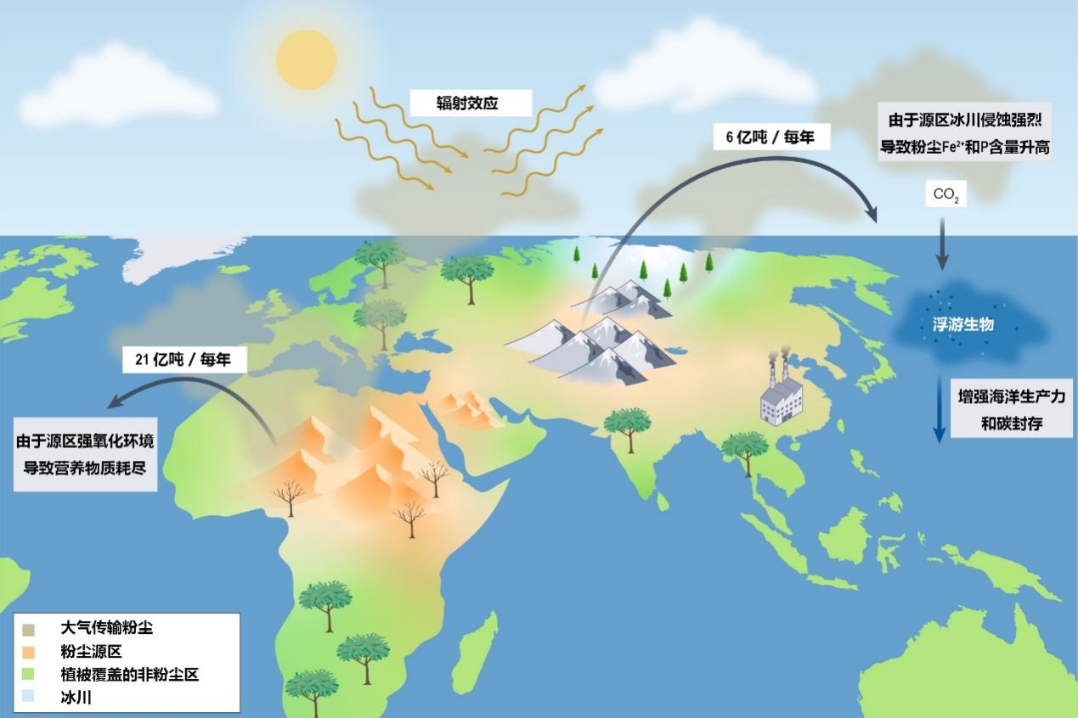
A groundbreaking study has revealed the pivotal role of global dust in regulating the Earth’s carbon cycle and influencing climate change. Conducted by a collaborative team from the Institute of Tibetan Plateau Research under the Chinese Academy of Sciences (CAS), alongside British and Swedish researchers, the findings were published in the journal Nature Reviews Earth & Environment. The research analyzed 22 global dust records from sediment cores, uncovering that dust deposition in major ocean basins has increased significantly since the Cenozoic era, particularly during periods of Northern Hemisphere ice sheet expansion and aridification in regions like Asia, North America, and Africa. Each year, over 4 billion tonnes of dust are released from global land surfaces, carrying essential nutrients such as iron and phosphorus into the oceans through atmospheric circulation. This process fertilizes marine phytoplankton, enhancing ocean productivity and strengthening the ‘biological pump,’ which transfers substantial amounts of carbon dioxide from the atmosphere into the deep ocean. The study also highlighted varying fertilization effects based on dust origin, with Asian glacial dust showing a stronger impact in the North Pacific compared to North African dust. The research underscores the need for future studies to focus on the nutrient composition of global dust sources and integrate these insights into Earth system models to improve projections of global climate change.
分类: science
-
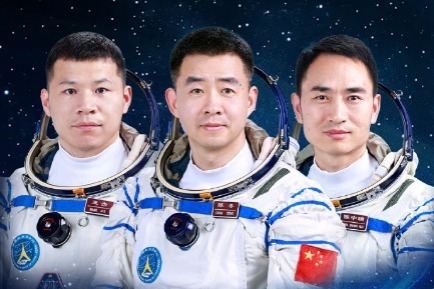
Shenzhou XX crew set to return after space debris delay
The Shenzhou XX mission crew, whose return to Earth was delayed due to safety concerns over space debris, is now set to make their journey back today. According to the China Manned Space Agency, the three astronauts—mission commander Senior Colonel Chen Dong, Colonel Chen Zhongrui, and Colonel Wang Jie—will board the Shenzhou XXI spaceship to re-enter the atmosphere and land at the Dongfeng Landing Site in Inner Mongolia. The agency confirmed that the astronauts are in excellent health, and ground teams are finalizing preparations for their safe landing. The Shenzhou XXII spaceship is also scheduled for launch soon to dock with the Tiangong space station, currently occupied by the Shenzhou XXI crew. Originally planned for November 5, the return was postponed after potential impacts from space debris were detected. This mission marks China’s 15th manned spaceflight and the ninth crew to reside on the Tiangong space station.
-

China’s Shenzhou XX astronauts to return to Earth
The China Manned Space Agency (CMSA) has announced that the Shenzhou XX crew, consisting of astronauts Chen Dong, Chen Zhongrui, and Wang Jie, is scheduled to return to Earth on Friday aboard the Shenzhou XXI spacecraft. The landing is set to take place at the Dongfeng site in Inner Mongolia Autonomous Region, with all systems and personnel prepared for a safe touchdown. The astronauts are reported to be in excellent health despite the challenges faced during their mission. Originally planned for November 5, the return was delayed due to a suspected collision with minuscule space debris, which necessitated additional safety checks and adjustments. The CMSA also revealed plans for the future launch of the Shenzhou XXII spacecraft, though the exact timing remains unspecified. This mission underscores China’s growing capabilities in space exploration and its commitment to advancing human spaceflight endeavors.
-

Watch: Mud volcano erupts in southern Taiwan
A rare geological event unfolded in southern Taiwan as the Wandan mud volcano erupted, drawing attention from both locals and experts. Described by a specialist speaking to the BBC as a particularly unusual example of this natural phenomenon, the eruption showcased the dynamic and unpredictable nature of Earth’s geological processes. Mud volcanoes, which differ from traditional magma-based volcanoes, are formed by the eruption of water, gas, and sediment from beneath the Earth’s surface. The Wandan mud volcano, located in Pingtung County, is one of the few active mud volcanoes in Taiwan, making this event a significant occurrence for both scientific study and public interest. While mud volcanoes are generally less hazardous than their magma counterparts, they remain a fascinating subject for geologists and environmental scientists. This eruption serves as a reminder of the planet’s ever-changing landscape and the importance of monitoring such natural phenomena.
-
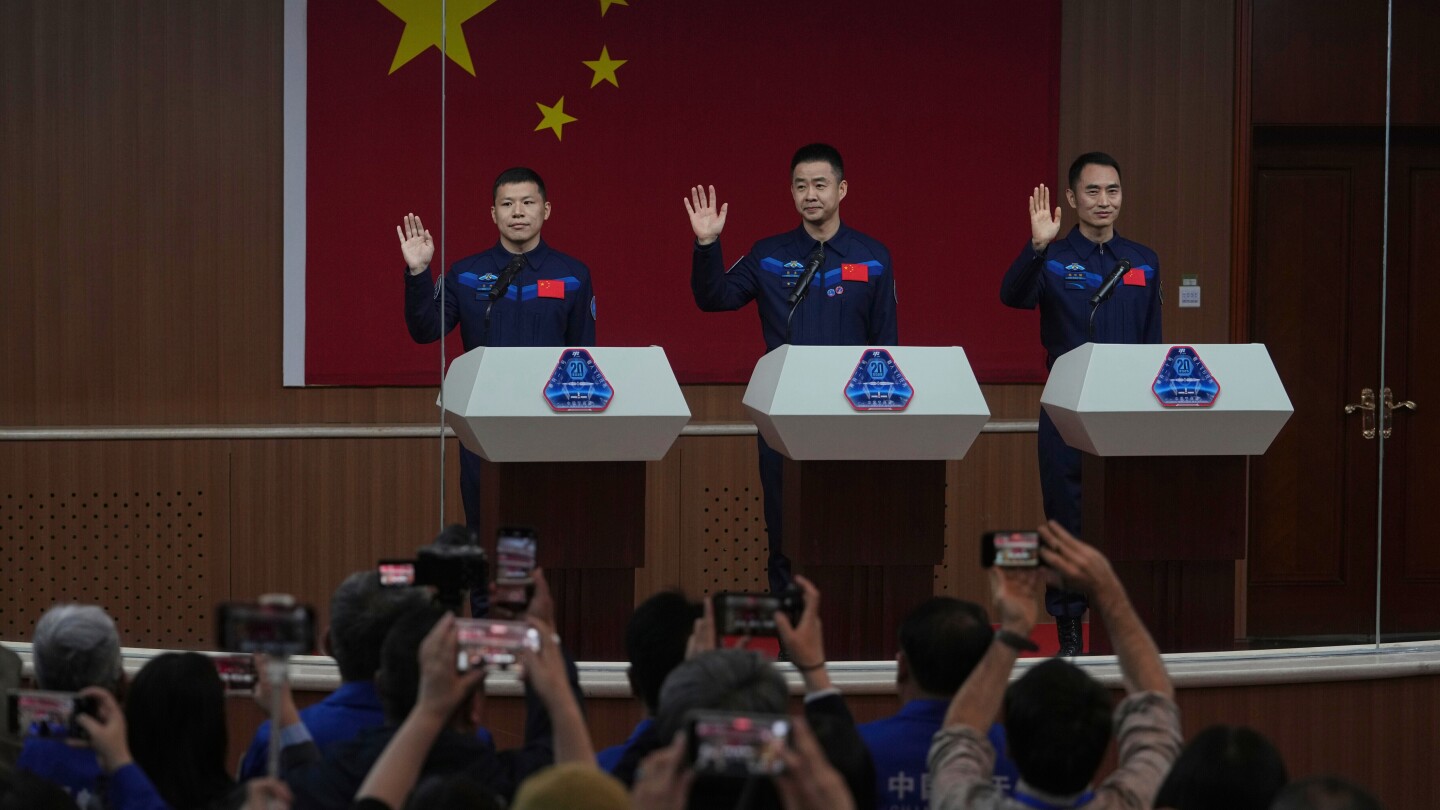
China’s stranded astronauts to return from space station on spacecraft that brought new crew
A trio of Chinese astronauts, who were unexpectedly stranded at the Tiangong space station following a suspected collision with space debris, are set to return to Earth on Friday using the spacecraft that transported their replacement crew, according to state media reports. The astronauts—Chen Dong, Chen Zhongrui, and Wang Jie—had been stationed at the space station since April as part of a six-month mission. Their scheduled return was abruptly halted when their Shenzhou-20 spacecraft was believed to have been struck by a fragment of space debris. Instead, they will now utilize the Shenzhou-21 craft, which arrived at the station on November 1 with a new crew. The China Manned Space Engineering Office confirmed on Tuesday that the astronauts remain in good health and are continuing their work and daily routines without disruption. This incident underscores the challenges posed by space debris, even as China advances its ambitious space program. Since its first manned mission in 2003, China has made significant strides, including the construction of its own space station and plans to land a human on the moon by 2030. Notably, the Shenzhou-21 mission also carried mice for scientific experiments, marking a first for China’s space exploration efforts.
-
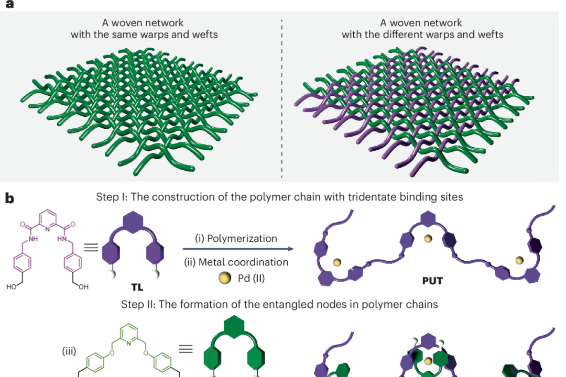
Chinese scientists weave tiny polymer capable of towing car
A groundbreaking development in material science has emerged from China, where researchers at Zhejiang University have created a polymer so powerful that a minuscule amount can tow a car. Inspired by traditional weaving methods, the team engineered a material by intertwining flexible and rigid polymer chains at the molecular level. Their findings, published in the journal Nature Materials, reveal a material with unparalleled strength and durability. The scientists used flexible polyurethane chains as the ‘warp’ and rigid epoxy resin chains as the ‘weft,’ mimicking the structure of textiles. This innovative approach resulted in a material with a lap shear strength more than double that of conventional adhesives. In a striking demonstration, a small adhesive patch measuring just 2.5 by 1.3 centimeters successfully towed a 2.1-tonne vehicle. This breakthrough opens new possibilities for designing advanced materials tailored for industrial applications, potentially revolutionizing fields such as construction, automotive, and aerospace.
-
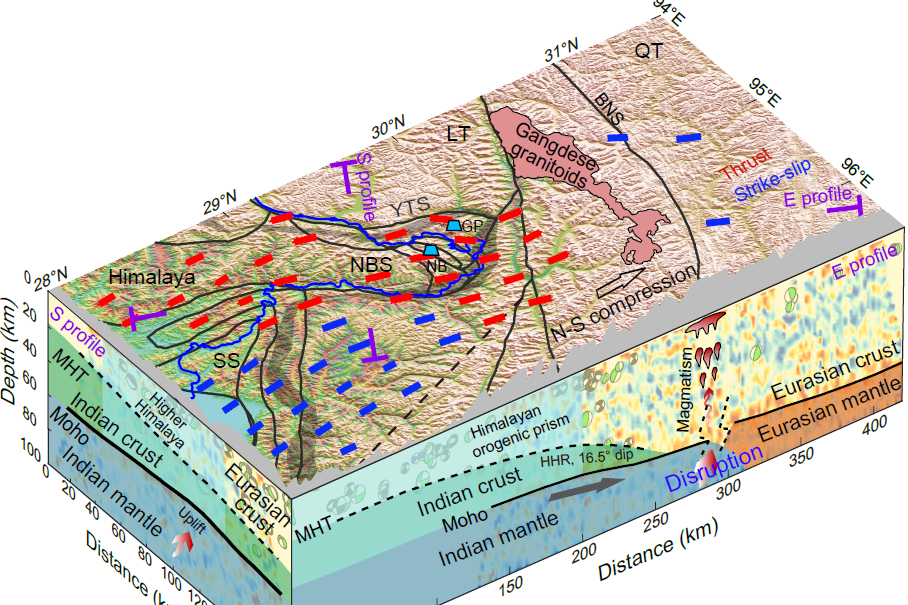
Chinese researchers solve mystery of seismic activities at eastern Himalayas
In a groundbreaking study published in the National Science Review, Chinese researchers have decoded the mechanisms driving seismic activities in the eastern Himalayas. This discovery sheds light on the region’s earthquake risks and the geological processes shaping this iconic mountain range. The Himalayas, formed by the collision of the Indian and Eurasian tectonic plates, have long been a focal point for seismic research. While the central section is well understood, the eastern Himalayas’ tectonic complexity has remained a mystery until now. Scientists from the Institute of Tibetan Plateau Research, Chinese Academy of Sciences, employed advanced broadband seismic arrays to analyze the regional stress field and the structural dynamics of the converging plates. Their findings reveal a dominant north-south horizontal compression, coupled with the gentle underthrusting of the Indian plate. This combination explains both the generation of megathrust earthquakes and the uplift of the mountain ranges. Dr. Bai Ling, the study’s lead author, emphasized the next phase of research will explore how continental collision influences seismic activity and plateau evolution. This study not only advances scientific understanding but also enhances earthquake preparedness in the region.
-
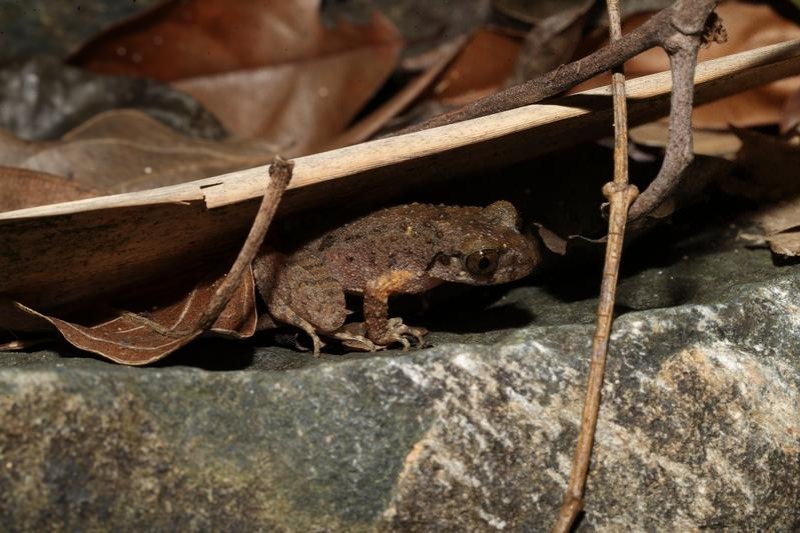
New frog species found in South China’s Guangdong, named after kung fu
A groundbreaking discovery has been made in Foshan, Guangdong province, where researchers have identified a new frog species named Leptobrachella kungfu. This unique name pays homage to Foshan’s rich cultural heritage as a renowned ‘City of Kung Fu.’ The discovery was a collaborative effort by scientists from the Guangdong Polytechnic of Environmental Protection Engineering and the Guangdong Provincial Academy of Environmental Science, with their findings published in the prestigious international journal ZooKeys on November 13, 2025. The new species was identified through detailed morphological and molecular analyses. Characterized by its small size, the adult male specimens measure between 25.7 mm and 28.2 mm in snout-vent length. Distinctive features include a black line behind the eye, slightly webbed toes with wide edges, uninterrupted ridges under the toes, and rough back skin without larger folds. The species primarily inhabits the hilly regions of the western Guangdong-Hong Kong-Macao Greater Bay Area, a densely populated and highly urbanized zone. Lin Shishi, the team leader, emphasized the importance of this discovery, stating that it highlights the critical role of small natural habitats within urban areas as sanctuaries for unique species. This finding also underscores the ongoing advancements in specialized biodiversity surveys in the region. To aid in further species recognition and conservation, the research team has developed an identification guide for the Leptobrachella genus in Guangdong.
-
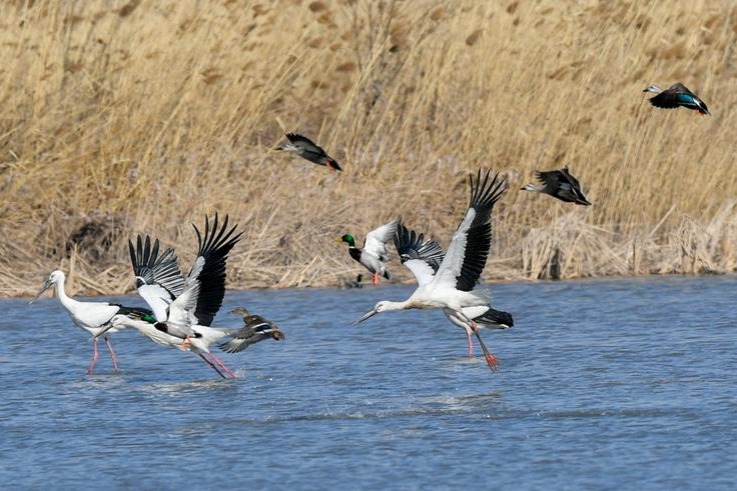
Intl experts raise alarm over the accelerating loss of biodiversity
International experts have issued a stark warning about the accelerating loss of biodiversity, driven by global environmental changes. Speaking at the 2025 World Science and Technology Development Forum in Beijing, Rodolfo Dirzo, a biology professor at Stanford University, emphasized the urgent need for strengthened scientific research to combat this crisis. Dirzo described the current era as one of ‘anthropogenic, dramatic global environmental change,’ with biodiversity loss being the most critical issue. He cited the drastic decline of vultures in India as a case study, where a 95% population drop led to increased stray dogs, rabies cases, and public healthcare costs. Dirzo stressed the importance of halting habitat destruction, overexploitation of resources, and adopting a multidisciplinary approach to address the problem. Sun Baojun, a researcher from the Chinese Academy of Sciences, echoed these concerns, highlighting the need for proactive research to identify vulnerable species and regions. Sun’s team found that lizards from low-latitude areas are particularly at risk and should be prioritized for protection. Both experts underscored the critical role of science in mitigating biodiversity loss and its cascading effects on ecosystems and human health.
-

Watch: Timelapse video shows rare northern lights display in Iowa
A breathtaking celestial phenomenon graced the skies of Iowa this week as a powerful geomagnetic storm brought the northern lights to regions far beyond their typical Arctic confines. Captured in a stunning timelapse video, the aurora borealis painted the night sky with vibrant hues of green, purple, and pink, captivating residents and stargazers alike. This rare occurrence was triggered by heightened solar activity, which propelled charged particles toward Earth, interacting with the planet’s magnetic field to create the dazzling light show. While the northern lights are typically confined to higher latitudes, this event allowed even midwestern states like Iowa to witness the spectacle. Experts suggest that such displays may become more frequent as the sun approaches the peak of its 11-year solar cycle. The event has sparked widespread excitement and renewed interest in space weather phenomena.