In a groundbreaking culinary feat aboard China’s space station, astronauts have successfully prepared and enjoyed freshly cooked chicken wings and steaks using a state-of-the-art space oven delivered by the Shenzhou XXI spacecraft. A viral video captured the moment when crew member Wu Fei, a space engineer, marinated chicken wings, skewered them, and baked them to perfection in the specially designed oven. The result? A plate of sizzling New Orleans-style chicken wings, a first in space gastronomy. Alongside this, Wang Jie, another astronaut from the Shenzhou XX crew, collaborated with Wu to prepare black pepper steaks, showcasing their Inner Mongolian heritage, renowned for its high-quality beef. The six astronauts shared the meal, their faces radiating joy and satisfaction. The Shenzhou XXI mission, launched recently, has introduced significant advancements in the space station’s life support systems. The upgraded oven features precise temperature control, residue collection, high-temperature catalysis, and multi-layer filtration, ensuring smoke-free baking and compliance with the station’s emission standards. Rigorous testing has confirmed its reliability for up to 500 cycles. This innovation is part of a broader effort to enhance the astronauts’ dietary experience, with the mission expanding the food variety to over 190 items and extending the menu cycle to 10 days. Fresh vegetables, nuts, cakes, and meats are now part of the orbital menu. Liu Weibo from the China Astronaut Research and Training Center emphasized the psychological benefits of such culinary activities, noting that enjoying aromatic meals can significantly boost the astronauts’ morale during their months-long stay in the confined space station. Additionally, the space station’s vegetable garden has seen remarkable progress, with 10 batches of seven plant species, including lettuce and cherry tomatoes, successfully cultivated, providing 4.5 kg of fresh produce. This achievement marks a significant step in sustainable space agriculture, ensuring a steady supply of fresh fruits and vegetables for the crew. The Shenzhou XX crew is scheduled to return to Earth soon, concluding their mission with a taste of home-cooked space cuisine.
分类: science
-

China’s ‘mice astronauts’ and their challenging journey to space
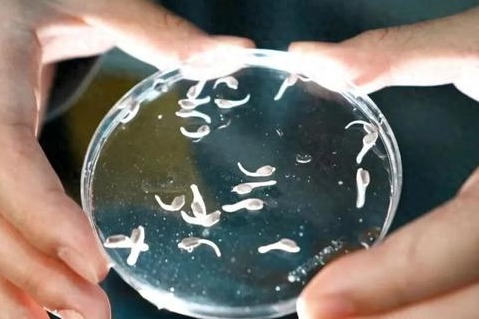
In a pioneering venture into space life sciences, China has successfully launched four mice into orbit aboard its space station, marking a significant milestone in the study of biological responses to microgravity. The rodents, affectionately dubbed ‘mice astronauts,’ are part of an experiment designed to explore the physiological and behavioral adaptations of living organisms in space.
-

Academic journal promotes Hongshan culture
A significant milestone in the study of ancient Chinese civilization was marked with the launch of the academic journal ‘Research on Hongshan Culture’ in Shenyang, Liaoning province. This quarterly publication aims to provide a systematic platform for academic exchange, featuring articles on new archaeological discoveries, material culture research, social and cultural studies, comparative civilization research, and international perspectives. The journal is chaired by Gu Yucai, president of the Chinese Society of Cultural Relics, with Bai Baoyu, director of the Liaoning Provincial Institute of Cultural Relics and Archaeology, serving as editor-in-chief. The editorial board includes renowned archaeological experts from China and abroad, such as Jia Xiaobing, Pauline Sebillaud of France, and Christian E. Peterson of Canada. Hongshan culture, dating back to the late Neolithic period, is a crucial component of Chinese civilization, known for its exquisite jade artifacts, large-scale stone tombs, and goddess temples. These findings have pushed the origins of Chinese civilization further back in history, providing essential physical evidence for exploring its development. The journal’s establishment aims to centralize scattered research findings, foster international academic exchange, and showcase the long history and achievements of Chinese civilization. At the first International Communication Conference on Hongshan Culture, scholars like Christian E. Peterson and Elizabeth Childs-Johnson highlighted the unique aspects of Hongshan society, emphasizing its ritual organization and significant contributions to the origins of Chinese civilization. The journal is expected to deepen cross-regional and cross-disciplinary research cooperation, allowing Hongshan civilization to shine anew in the modern era.
-

UAE nears historic Moon mission as Rashid Rover 2 heads to US for launch preparations
The United Arab Emirates (UAE) is on the brink of a groundbreaking lunar exploration mission as the Mohammed Bin Rashid Space Centre (MBRSC) announces the completion of the Rashid Rover 2’s development phase. The rover, a key component of the Emirates Lunar Mission, has been dispatched to the United States for final launch preparations in collaboration with Firefly Aerospace. This mission aims to explore the far side of the Moon, a region that remains largely uncharted. The rover underwent rigorous testing in the UAE, including Thermal Vacuum testing in collaboration with the French space agency CNES, as well as solar panel performance tests, antenna and robotic arm deployment simulations, and vibration tests to ensure its readiness for the harsh lunar environment. Hamad Obaid AlMansoori, chairman of MBRSC, emphasized that this milestone reflects the UAE’s growing expertise in space science and technology. The mission, set for 2026, marks a significant step in the UAE’s ambitions to expand its presence in space exploration.
-

China domestically produces high-purity C276 metal strips for the first time
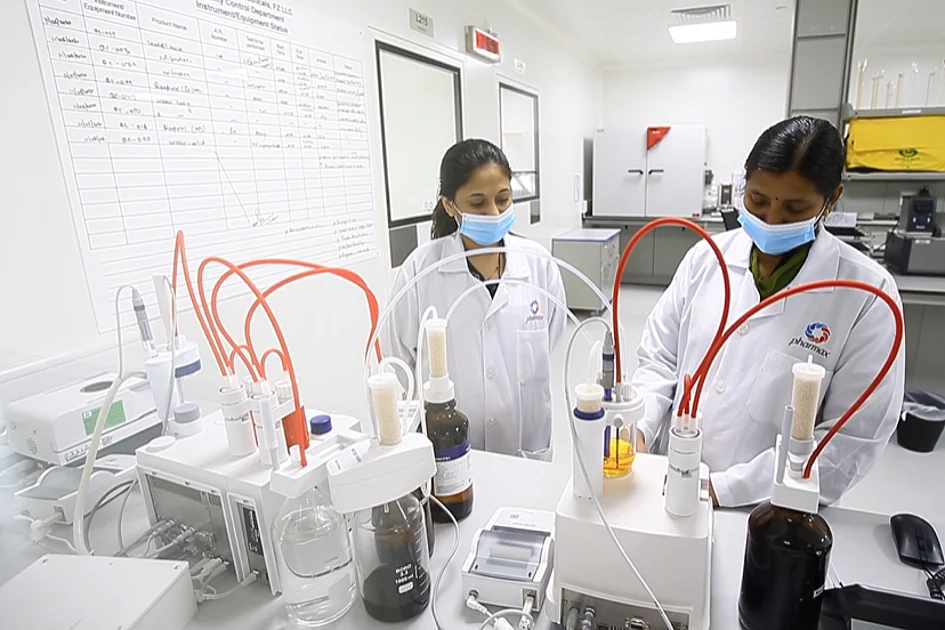
In a significant scientific milestone, China has successfully produced high-purity C276 metal strips domestically for the first time. This achievement was spearheaded by a research team led by Rong Lijian from the Institute of Metal Research, Chinese Academy of Sciences. C276 is a critical material used in the production of second-generation high-temperature superconducting tapes, which are essential components in controllable nuclear fusion devices, often referred to as ‘artificial suns.’ The newly developed metal strips exhibit exceptional mechanical strength and deformation capabilities, marking a crucial step forward in the advancement of superconducting technology. This breakthrough not only reduces China’s reliance on imported materials but also strengthens its position in the global scientific community. The successful production of these metal strips is expected to accelerate progress in nuclear fusion research and related high-tech industries, paving the way for future innovations in energy and materials science.
-

India space agency launches its heaviest satellite
India has taken a significant leap in its space exploration endeavors with the successful launch of its heaviest communication satellite, CMS-03, on Sunday. The satellite, weighing an impressive 4,410 kilograms (9,722 pounds), was propelled into orbit from the Sriharikota spaceport in Andhra Pradesh at 5:26 pm (1156 GMT). This event marks a pivotal moment in India’s rapidly expanding space program, which has gained substantial momentum over the past decade. The CMS-03 satellite was launched using the advanced LVM3-M5 rocket, an upgraded version of the vehicle that facilitated India’s historic unmanned lunar landing in August 2023. Prime Minister Narendra Modi lauded the achievement, stating, ‘Our space sector continues to make us proud!’ He also reiterated India’s ambitious goal of sending an Indian astronaut to the Moon by 2040. The satellite is expected to enhance secure communication links for the Indian Navy, connecting ships, aircraft, and submarines. This launch underscores India’s growing capabilities in space technology, positioning it alongside global leaders such as Russia, the United States, and China, which have previously achieved controlled lunar landings. The nation’s space ambitions were further highlighted earlier this year when Shubhanshu Shukla, an Indian Air Force test pilot, became the second Indian to travel to space and the first to reach the International Space Station, paving the way for India’s planned crewed mission in 2027.
-

Science festival ignites public curiosity nationwide
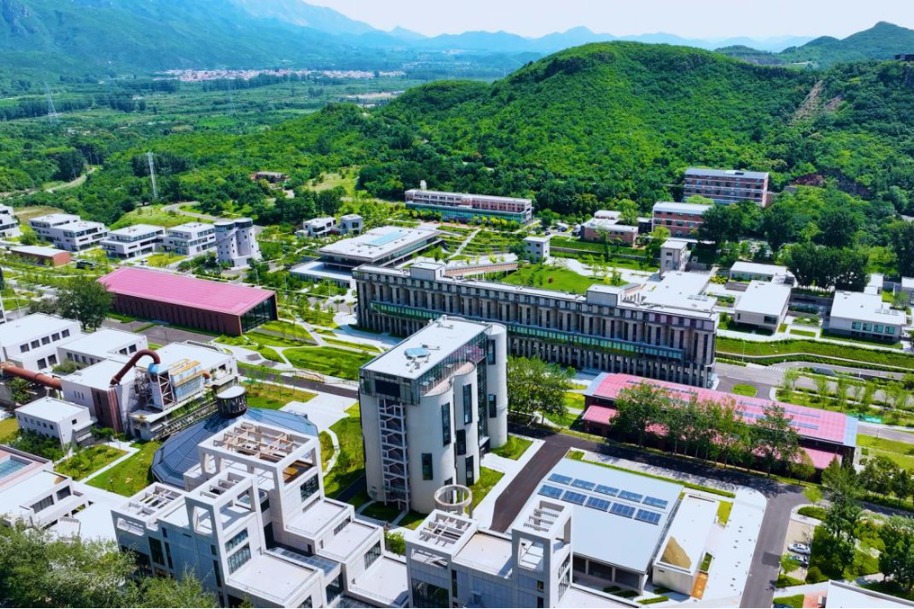
The annual National Science Festival, themed ‘Hi, Science! — Bridge Curiosity with Discovery, Connect Science with Ingenuity,’ commenced on Saturday, November 1, 2025, with the main venue activities held at the Chinese Academy of Sciences’ Institute of Botany in Beijing. The event, hosted by the Chinese Academy of Sciences, coincided with the academy’s 76th anniversary and the 70th anniversary of its Academic Divisions. Over the weekend, the festival featured more than 180 exhibits, programs, and hands-on activities across six major sections, designed to ignite public curiosity, particularly among young people, and encourage exploration of the unknown. Visitors had the opportunity to engage with academicians and experts, watch science-themed dramas, experiment and magic shows, and learn about significant scientific achievements such as the Jiangmen Underground Neutrino Observatory and superconducting quantum computers. The festival also highlighted China’s four major series of scientific research ships and deep-sea equipment systems, and offered interactive experiments involving brain-computer interfaces, space science, and underwater communication. National key laboratories opened their doors for public tours, providing a rare glimpse into daily scientific research. A highlight of the first day was the evening event ‘Creative Blind Box Show,’ which showcased major achievements of the academy. Beyond the on-site activities, gymnastics world champion Mo Huilan, along with scientific researchers and science popularization bloggers, led a livestreamed cloud tour of the festival, allowing online audiences to experience the highlights of the main venue and feel the appeal of science and technology. Institutions across the country also launched a range of science popularization activities based on their areas of expertise. The Ganjiang Innovation Academy explained the applications of rare earth elements; the National Time Service Center organized lectures and tours to help the public explore the concept of time; the Shanghai Advanced Research Institute opened the National Facility for Protein Science in Shanghai for public tours; and the Lanzhou Institute of Chemical Physics hosted lectures and hands-on activities in rural areas. Special sessions of the science festival will also be held at the Wuhan Botanical Garden and the Kunming Institute of Zoology.
-

Academic journal on Hongshan culture launched in Liaoning
Shenyang, Liaoning Province witnessed the official launch of the academic journal *Research on Hongshan Culture* on Sunday, November 2, 2025. This quarterly publication marks a significant milestone in the systematic and long-term study of Hongshan culture, a pivotal component of Chinese civilization dating back to the late Neolithic period. The journal aims to foster academic exchange and collaboration, featuring diverse research areas such as new archaeological discoveries, material culture studies, social and cultural theses, comparative civilization research, scholarship history, and international perspectives. Gu Yucai, President of the Chinese Society of Cultural Relics, chairs the journal, while Bai Baoyu, Director of the Liaoning Provincial Institute of Cultural Relics and Archaeology, serves as the editor-in-chief. The editorial board includes esteemed scholars from China and abroad, such as Jia Xiaobing, Pauline Sebillaud from France, and Christian E. Peterson from Canada. Hongshan culture is renowned for its exquisite jade artifacts, large-scale stone tombs, and goddess temples, which highlight the advanced civilization of the era and provide critical evidence for understanding the origins and development of Chinese civilization. Gu Yucai emphasized the journal’s mission to inherit the roots of Hongshan civilization, solve its mysteries through innovation, and promote international exchange. Chu Tianyun, Vice-Governor of Liaoning Province, pledged full support for the journal, envisioning it as a platform for cross-regional and interdisciplinary research to revitalize Hongshan culture in the modern era.
-

Chinese expedition team sets sail on seven-month journey to Antarctica
China’s 42nd Antarctic expedition team embarked on a monumental seven-month journey from Shanghai on Saturday, marking a significant milestone in polar exploration. The team, comprising over 500 members and researchers from more than 10 countries and regions, set sail aboard the nation’s two state-of-the-art polar icebreakers, Xuelong and Xuelong 2 (Snow Dragon and Snow Dragon 2). This ambitious mission aims to conduct comprehensive scientific investigations in Antarctica, focusing on enhancing global understanding, protection, and sustainable utilization of the region. Long Wei, deputy head of the Chinese Arctic and Antarctic Administration, emphasized the expedition’s critical role in advancing polar research and fostering international cooperation. The voyage underscores China’s growing commitment to scientific exploration and environmental stewardship in one of the world’s most remote and fragile ecosystems.
-

Shenzhou XXI crew begins space mission
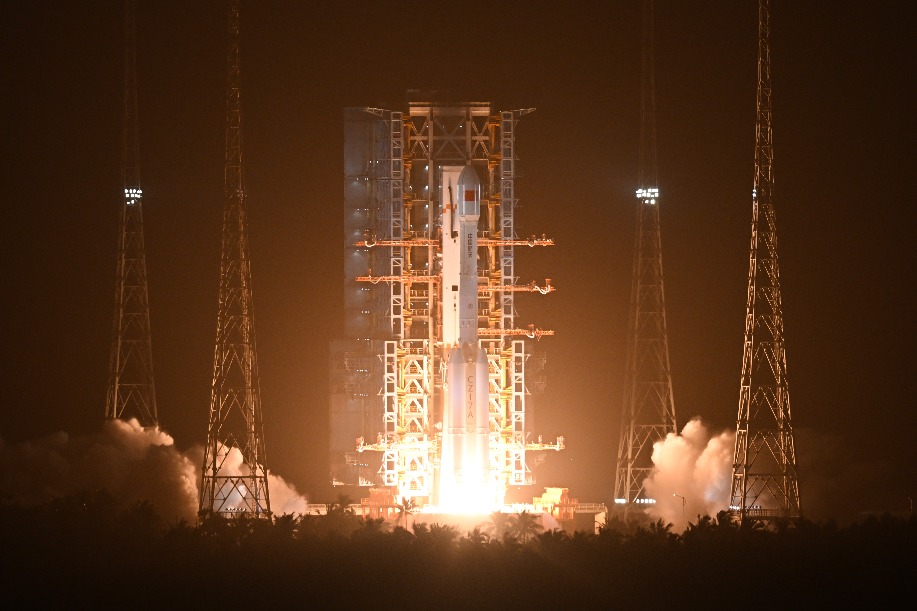
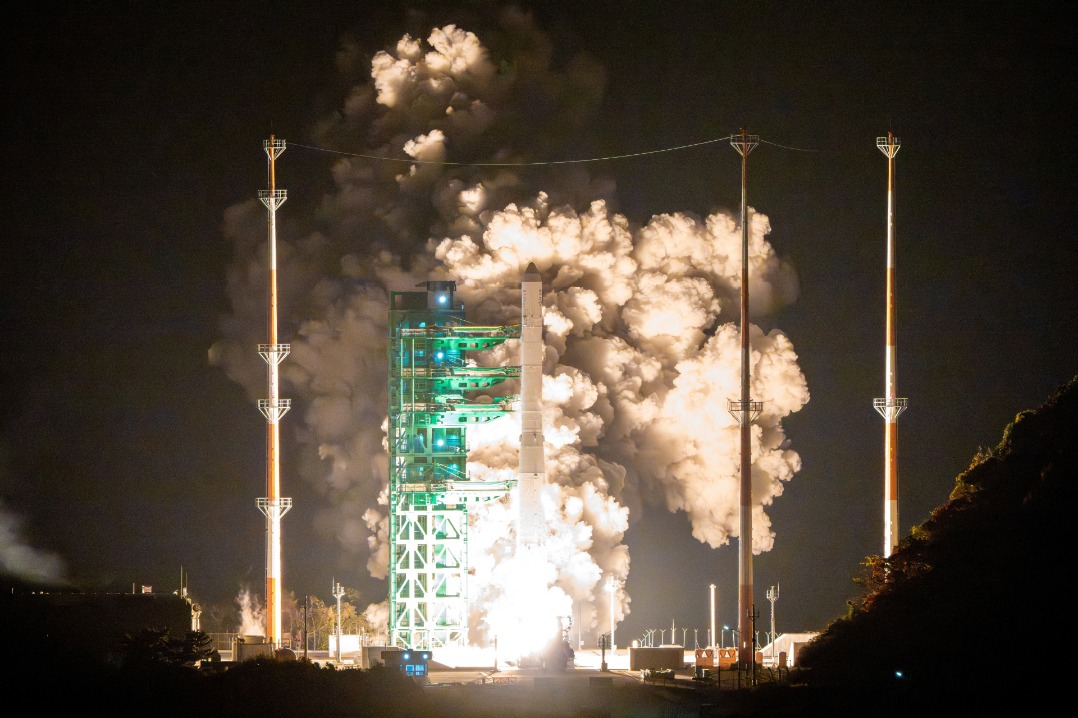
The Shenzhou XXI mission has officially commenced, marking a significant milestone in China’s space exploration endeavors. The three-member crew, consisting of Senior Colonel Zhang Lu, Major Wu Fei, and payload specialist Zhang Hongzhang, launched from the Jiuquan Satellite Launch Center in the Gobi Desert at 11:44 PM on Friday. Their journey began aboard a Long March 2F rocket, which propelled them into orbit, setting the stage for a six-month stay at the Tiangong space station. The spacecraft successfully docked with the Tianhe core module early Saturday morning, following a rapid autonomous rendezvous process. Upon arrival, the crew will transition from their pressure suits to intravehicular workwear, preparing to join the outgoing Shenzhou XX team for a brief overlap period. During their mission, the Shenzhou XXI astronauts will undertake 27 scientific projects, spanning fields such as space life sciences, biotechnology, space medicine, and microgravity physics. Additionally, they will conduct spacewalks to install equipment and retrieve external devices, further enhancing the station’s capabilities. This mission represents China’s 16th manned spaceflight and underscores the nation’s growing expertise in independent space station operations.