分类: science

  • Chinese scientists achieve breakthrough in quantum computing with ‘Zhuangzi 2.0’

    Chinese scientists achieve breakthrough in quantum computing with ‘Zhuangzi 2.0’

    Researchers from the Institute of Physics of the Chinese Academy of Sciences and Peking University have made a groundbreaking advancement in quantum computing through their work with the sophisticated ‘Zhuangzi 2.0’ quantum processor. Their study, published in the prestigious journal Nature, demonstrates unprecedented control over quantum system stability—a capability that has previously eluded even the most powerful classical supercomputers.

    The team’s breakthrough centers on harnessing a phenomenon known as ‘prethermalization.’ This quantum equivalent occurs when qubits, upon receiving external energy, enter a brief but stable phase instead of immediately collapsing into chaos. During this critical window, information remains preserved and the system maintains order, much like ice lingering at 0°C while absorbing heat before transitioning to water.

    The researchers employed an innovative technique called Random Multipolar Driving to manipulate this quantum plateau. By carefully adjusting the rhythm and pattern of energy pulses sent into the 78-qubit chip, they gained the ability to extend or shorten this stable phase. This approach provides scientists with a controllable temporal shield—akin to solving a complex puzzle whose pieces constantly threaten to disintegrate—allowing for critical computations before the system ultimately decoheres.

    Dr. Fan Heng, corresponding author of the study, emphasized that this achievement represents more than mere qubit quantity advancement. ‘This breakthrough necessitates systematic research throughout the entire process,’ he stated, highlighting the integrated approach combining experimental work, numerical simulations, and theoretical analysis. The ‘Zhuangzi 2.0’ chip’s inherent quantum properties enabled real-time observation of these complex dynamics, providing insights previously impossible with classical computation.

    While 78 qubits may appear modest compared to conventional computing bits, their quantum interactions create complexity that grows exponentially with entanglement. This exponential scaling eventually creates simulation requirements that surpass the capabilities of even the most advanced silicon-based computing systems, marking a fundamental boundary between classical and quantum computational domains.

  • University makes breakthrough in low-dimensional antiferromagnet research, paving way for R&D of new-generation chips

    University makes breakthrough in low-dimensional antiferromagnet research, paving way for R&D of new-generation chips

    Researchers at Shanghai’s Fudan University have achieved a landmark advancement in low-dimensional magnetic materials that could fundamentally transform semiconductor technology. Published in the prestigious journal Nature, their study resolves a decades-old challenge in harnessing antiferromagnetic materials for practical computing applications.

    The research team from the State Key Laboratory of Surface Physics demonstrated unprecedented control over chromium thiophosphate (CrPS4), a layered antiferromagnetic material. Unlike conventional ferromagnets that power current data storage technologies, antiferromagnets maintain neighboring magnetic moments in opposing orientations, effectively neutralizing stray magnetic fields. This property enables superior stability and significantly higher data density potential.

    Professor Wu Shiwei, co-corresponding author of the study, explained their breakthrough: “We’ve developed techniques to precisely control and directly observe the magnetic state using our custom magneto-optical microscope. This satisfies the fundamental requirements for binary data operations that have eluded researchers until now.”

    The team’s most significant contribution involves expanding the classic theoretical model for ferromagnets to encompass antiferromagnetic behavior. Their modified framework predicts how these materials respond to external magnetic fields, with CrPS4 exhibiting an innovative “interlayer-locked” switching mechanism where all layers flip simultaneously rather than sequentially.

    This coordinated switching preserves system stability while maintaining antiferromagnets’ inherent advantages: faster state transition speeds and minimal energy consumption compared to traditional ferromagnetic materials. The researchers additionally established clear criteria for evaluating other antiferromagnetic materials, providing a roadmap for future semiconductor development.

    Industry analysts suggest this advancement could accelerate China’s progress in next-generation semiconductor technology, potentially reshaping global competition in information technology infrastructure. The breakthrough addresses critical limitations in current chip manufacturing as the industry pursues smaller, faster, and more energy-efficient devices.

  • Scientists design flexible patch for precision drug delivery to complex organs

    Scientists design flexible patch for precision drug delivery to complex organs

    An international research consortium led by Beihang University has unveiled a groundbreaking bioelectronic patch technology that promises to revolutionize targeted therapeutic delivery to complex organs. Dubbed POCKET, this ultra-flexible device represents a paradigm shift from conventional systemic drug administration by conforming precisely to irregular organ surfaces like ovaries and kidneys.

    The innovation addresses a critical clinical dilemma: women with hereditary BRCA1 mutations currently face radical preventive surgery involving ovary and fallopian tube removal, resulting in permanent infertility. Existing viral vector gene therapies pose unacceptable risks of germline genome contamination, making them unsuitable for reproductive organs.

    Drawing inspiration from traditional paper-cutting artistry, the multidisciplinary team engineered a four-layer nanostructured patch achieving over 95% surface coverage on anatomically complex organs. The device integrates silver nanowire electrodes, a drug-loaded hydrogel reservoir, and precisely patterned nanopores created through femtosecond laser processing.

    When activated by low-voltage current, POCKET generates localized electric fields that temporarily create microscopic channels in cell membranes. This electroporation mechanism allows direct intracellular drug delivery with nearly 1,000-fold efficiency improvement over passive diffusion while preserving deeper tissue integrity.

    In preclinical models, the technology successfully delivered BRCA1 gene therapy exclusively to ovarian surface cells in mice, reducing cancer risk without compromising reproductive function. Additional trials demonstrated targeted anti-inflammatory delivery to transplanted kidneys, protecting renal function while eliminating systemic side effects associated with oral steroids.

    Co-corresponding author Chang Lingqian from Beihang University emphasized the platform’s adaptability for treating diabetes, retinal disorders, and rheumatoid arthritis. This physical delivery approach avoids genetic contamination risks while enabling precision targeting previously unattainable with conventional methods.

    The research, published in Cell on January 30, 2026, marks a significant advancement in bioelectronic medicine, potentially transforming treatment paradigms for sensitive and structurally complex organs throughout the human body.

  • China reports rising investment in science popularization in 2024

    China reports rising investment in science popularization in 2024

    China has demonstrated significant advancements in its national science popularization infrastructure during 2024, according to official statistics released by the Ministry of Science and Technology. The comprehensive data reveals substantial growth across multiple dimensions of scientific public engagement.

    The country’s network of science and technology museums expanded considerably, reaching 1,890 facilities nationwide—marking an increase of 111 institutions compared to the previous year. This expansion represents China’s continued commitment to creating physical spaces dedicated to public science education.

    Financial investment in science outreach initiatives reached unprecedented levels, with total funding climbing to 22.22 billion yuan (approximately $3.19 billion). This figure reflects a 3.32 percent year-on-year increase, demonstrating sustained government and institutional support for science communication programs.

    The human capital supporting these efforts similarly grew, with the science popularization workforce expanding to approximately 2.21 million professionals working either full-time or part-time in the field. This represents a 2.62 percent increase from 2023, indicating career growth and opportunity in science communication sectors.

    Public participation metrics reached extraordinary scales, with over 1.44 million science lectures conducted through both online and offline platforms, collectively attracting more than 2 billion participants. Additionally, approximately 109,200 specialized science and technology exhibitions were organized nationwide, drawing 480 million visits. In a significant move toward institutional transparency and public access, 9,680 research institutions and universities opened their facilities to public tours, receiving over 24.95 million visits throughout the year.

    These developments highlight China’s strategic emphasis on enhancing public scientific literacy through multidimensional approaches including infrastructure development, financial investment, workforce expansion, and diverse public engagement initiatives.

  • Last year was wetter and warmer in China

    Last year was wetter and warmer in China

    China witnessed unprecedented climate patterns throughout 2025, characterized by record-breaking warmth and increased precipitation levels nationwide. According to the recently released China Climate Bulletin (2025), the country’s annual average temperature reached 10.9°C, matching the previous record set in 2024 and standing 1°C above the 1991-2020 baseline. This places both years as the warmest since comprehensive meteorological records began in 1951.

    The warming trend manifested most dramatically through prolonged heatwaves that affected extensive regions of central and eastern China from late June through early September. The number of high-temperature days across the nation surged to unprecedented levels, establishing new historical records.

    Precipitation patterns showed significant deviation from historical norms, with annual rainfall exceeding long-term averages by 4.5%. The summer months brought particularly intense weather activity, as frequent rainstorms triggered severe flooding across northern China. Between late July and early August, North China experienced rainfall of both exceptional duration and volume during its rainy season, while western regions recorded their heaviest autumn precipitation in history.

    Tropical cyclone activity intensified markedly, with both typhoon formation and landfall numbers surpassing seasonal averages. An unusual sequence of five consecutive typhoons made landfall or significantly affected southern China between September and October.

    While meteorological drought conditions remained generally mild nationwide, regional water shortages emerged in southern China and along the middle and lower Yangtze River reaches, where consecutive winter and spring droughts developed. The year also saw increased wind intensity, with strong wind days reaching their highest frequency since 1991. Sandstorm activity intensified during spring months, though the season’s first sandstorm event occurred later than typical timing.

    National Climate Center Deputy Director Gao Rong attributed these complex weather variations to multiple interacting atmospheric and oceanic factors across different timescales. Key influences included the early northward movement and subsequent retreat of the subtropical high-pressure system, a robust East Asian summer monsoon, and intensified rainstorm patterns across northern and northeastern regions.

    Despite these extreme weather events, vegetation growth during the 2025 growing season reached its highest level this century, particularly in western Northeast China and central-eastern Inner Mongolia.

    Looking ahead, meteorological authorities have issued specialized forecasts for the upcoming Spring Festival travel period. National Meteorological Center Deputy Director Huang Zhuo indicated that a potent cold air mass will affect central and eastern China from February 5-7, bringing widespread strong winds and temperature declines of 4-8°C, with some regions experiencing drops exceeding 10°C. Additional precipitation events are expected between February 10-13, potentially affecting transportation networks during peak travel periods. A subsequent cold air process is forecast for the early Spring Festival holiday period from February 15-23. The China Meteorological Administration will provide daily weather briefings throughout the travel season to assist public planning and safety.

  • Polar bears bulk up despite melting Norwegian Arctic: study

    Polar bears bulk up despite melting Norwegian Arctic: study

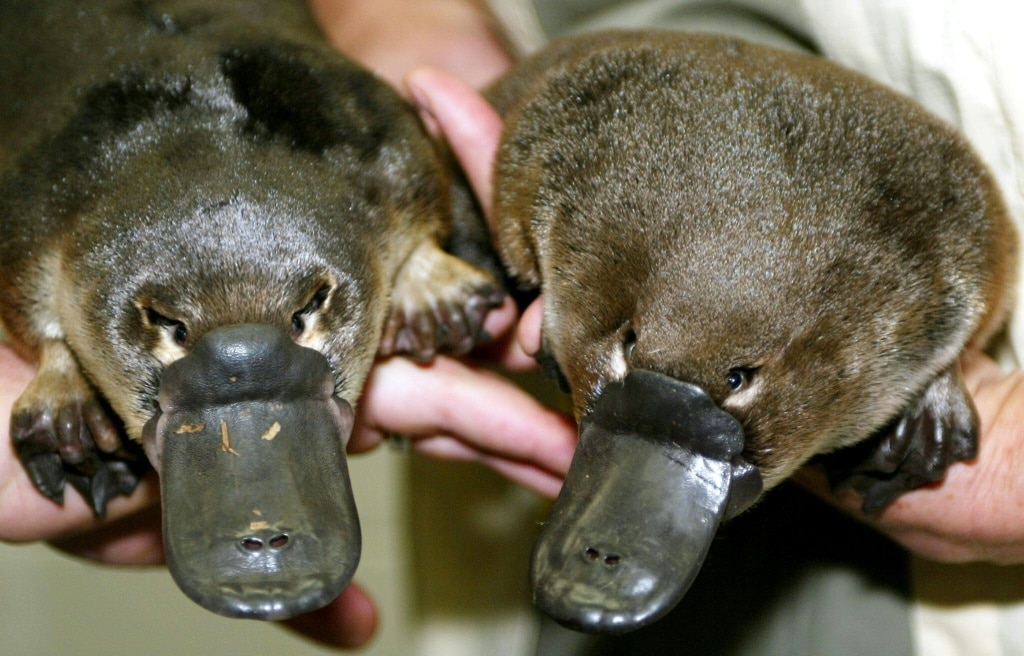
    In a remarkable ecological paradox, polar bears inhabiting Norway’s Svalbard archipelago have demonstrated unexpected resilience to climate change by actually increasing their body mass despite significant habitat degradation. Published in Scientific Reports, the comprehensive study reveals these Arctic predators have adapted their feeding strategies to survive in rapidly changing conditions.

    The Barents Sea region has experienced among the most dramatic temperature increases globally, with some areas warming by up to 2°C per decade since 1979. This accelerated warming has caused sea ice habitats to vanish at twice the rate observed in other polar bear territories, losing approximately four days of ice coverage annually. Yet contrary to scientific predictions, the local bear population has not only maintained but enhanced its physical condition.

    Researchers from the Norwegian Polar Institute conducted detailed analysis of 770 adult bears over a 24-year period (1995-2019), measuring body condition indices to track fat reserves. The findings revealed a surprising trend: after initial declines until 2000, bear fitness metrics showed consistent improvement despite accelerating ice loss.

    The secret to their success lies in dietary adaptation. With reduced access to their traditional seal hunting grounds, Svalbard’s polar bears have increasingly turned to land-based prey including reindeer and walrus calves. These alternative food sources have become more abundant due to successful conservation efforts and reduced human exploitation. Additionally, warmer temperatures have concentrated ringed seals into smaller ice areas, making hunting more efficient where ice remains.

    Lead researcher Jon Aars acknowledged the counterintuitive nature of these findings: ‘The increase in body condition during significant sea ice loss was unexpected. Had I been asked to predict outcomes in 2003, I would have anticipated skinnier bears.’

    The study highlights critical regional variations in climate impact responses, cautioning against extrapolating findings from other Arctic areas where polar bears have indeed suffered nutritional stress. While currently thriving, scientists warn this adaptation may represent a temporary reprieve rather than long-term salvation, as continued habitat degradation will eventually overcome even these remarkable adaptive capabilities.

  • Abu Dhabi researchers develop nanotechnology for better cancer detection, treatment

    Abu Dhabi researchers develop nanotechnology for better cancer detection, treatment

    Scientists at NYU Abu Dhabi have engineered a groundbreaking nanotechnology platform that significantly enhances both cancer detection and treatment methodologies. This innovative approach centers on photothermal therapy, an emerging technique that utilizes light energy to generate localized heat within tumors, effectively destroying malignant cells while preserving healthy tissue.

    The research team developed uniquely designed nanoparticles constructed from hydroxyapatite—a naturally occurring mineral in human bones and teeth—ensuring biocompatibility and biodegradability. These nanoparticles are engineered to transport a specialized dye that activates upon exposure to near-infrared light. This specific light wavelength was strategically selected for its superior tissue penetration capabilities, enabling treatment of deeper tumors previously inaccessible to surface-level therapies.

    A critical advancement lies in the nanoparticle’s surface engineering, where lipid and polymer coatings enable extended bloodstream circulation while evading immune detection. This design dramatically improves tumor accumulation compared to previous photothermal agents. Additionally, the nanoparticles feature pH-responsive peptides that activate specifically in the acidic microenvironment of tumors, facilitating selective cancer cell entry while minimizing impact on healthy tissue.

    The integrated system provides dual functionality: upon near-infrared activation, the nanoparticles generate precise thermal destruction of tumor tissue while simultaneously producing real-time fluorescent and thermal imaging signals. This allows clinicians to visualize tumors and monitor treatment efficacy during therapeutic procedures.

    Professor Mazin Magzoub, the study’s senior author and associate biology professor at NYUAD, emphasized the transformative potential: “Our platform merges targeted treatment and diagnostic imaging within a single, biodegradable system. By overcoming fundamental delivery challenges, we’re advancing toward more precise cancer interventions with reduced side effects.”

    This research represents a substantial leap forward in nanomedicine, offering a promising alternative to conventional cancer treatments like chemotherapy and radiation by minimizing systemic toxicity while improving therapeutic precision.

  • China records markedly warm and wet climate conditions in 2025

    China records markedly warm and wet climate conditions in 2025

    China experienced unprecedented climate conditions throughout 2025, characterized by record-breaking warmth and significantly increased precipitation patterns, according to the authoritative China Climate Bulletin (2025) released by the China Meteorological Administration and National Climate Center.

    The comprehensive report reveals the national average temperature reached 10.9°C, matching 2024’s record and exceeding the 1991-2020 average by a full degree Celsius. This temperature parity establishes both years as the warmest since comprehensive meteorological record-keeping began in 1951. The frequency of high-temperature days similarly achieved unprecedented levels, with extended heatwaves affecting central and eastern regions from late June through early September.

    Precipitation patterns demonstrated notable increases, with annual rainfall volumes exceeding long-term averages by 4.5%. Northern China experienced particularly severe flooding during summer months, especially between late July and early August, due to intensified rainstorm activity. Gao Rong, Deputy Director of the National Climate Center, confirmed that North China’s rainy season reached historic peaks in both duration and total precipitation volume, while western regions recorded their most substantial autumn rainfall in meteorological history.

    Typhoon activity surpassed normal parameters, with both formation frequency and landfall incidents exceeding seasonal averages. Five consecutive typhoons made landfall or significantly affected southern China between September and October, creating compounded weather challenges.

    While meteorological drought conditions remained generally mild nationwide, specific regions experienced pronounced seasonal dryness. Southern China and the Yangtze River’s middle-lower reaches endured consecutive winter and spring drought periods. Cold air movements remained relatively subdued overall, though cold wave events occurred more frequently than typical patterns. Spring sandstorm activity intensified, with the inaugural annual sandstorm event occurring later than historical averages.

    Gao Rong attributed these complex weather variations to multifaceted atmospheric and oceanic interactions across multiple timescales, emphasizing the early northward movement and subsequent retreat of subtropical high-pressure systems combined with an intensified East Asian summer monsoon.

    The climate conditions produced significant societal impacts: heating-related energy consumption decreased across northern provinces during winter months, while cooling demand surged nationally during extended summer heat. Vegetation growth during the growing season reached its highest level this century, particularly in western Northeast China and central-eastern Inner Mongolia.

    The China Climate Bulletin, published annually since 1994, serves as a critical reference for governmental decision-making and public climate education, providing comprehensive analysis of major weather events and their socioeconomic implications.

  • Polar bears on Norwegian islands ‘fatter and healthier’ despite ice loss

    Polar bears on Norwegian islands ‘fatter and healthier’ despite ice loss

    In a remarkable ecological paradox challenging scientific expectations, polar bears in Norway’s Svalbard archipelago have demonstrated significant improvements in body condition despite accelerating sea ice loss driven by climate change. Published in Scientific Reports, comprehensive research conducted by the Norwegian Polar Institute between 1992-2019 documented surprising physiological adaptations among the region’s apex predators.

    Researchers meticulously assessed 770 adult polar bears during the 27-year study period, discovering that contrary to predictions, the animals had become substantially heavier and healthier despite the region losing approximately 100 ice-free days annually. This counterintuitive finding directly contradicts established understanding of polar bear ecology, as these mammals traditionally depend on sea ice as their primary hunting platform for capturing blubber-rich seals.

    Dr. Jon Aars, lead researcher at the Norwegian Polar Institute, expressed both surprise and cautious optimism: ‘The fatter a bear is the better it is. I would have expected to see a decline in body condition when the loss of sea ice has been so profound.’ The study reveals that Svalbard’s polar bears have developed adaptive hunting strategies, increasingly targeting land-based prey including reindeer and walruses to supplement their traditional seal-based diet.

    This dietary shift has been facilitated by Norway’s successful conservation efforts. Walruses, once hunted to near extinction in the 1950s, have rebounded significantly under official protection, creating an unexpected food source for resourceful bears. Additionally, researchers speculate that concentrated seal populations in diminishing ice areas may actually improve hunting efficiency for polar bears in certain circumstances.

    However, scientists emphasize this represents a temporary reprieve rather than a long-term solution. As Dr. John Whiteman, chief research scientist at Polar Bears International, notes: ‘Body condition is only one piece of the puzzle. Other recent research on these bears found that more ice-free days reduced survival in cubs and in subadult and old females.’

    The study highlights significant regional variations in climate change impacts across the Arctic’s 20 recognized polar bear subpopulations. While Svalbard bears currently thrive, the Western Hudson Bay population in Canada—among the most southerly and extensively studied groups—has experienced direct population declines correlated with warming temperatures.

    Experts conclude that despite this temporary adaptation, the fundamental reality remains unchanged: polar bears ultimately require sea ice for long-term survival. As ice loss continues unchecked across their range, researchers warn that these temporary gains will eventually give way to the broader pattern of climate-driven decline affecting most polar bear populations worldwide.

  • Chinese fossil find illuminates Earth’s earliest mass extinction

    Chinese fossil find illuminates Earth’s earliest mass extinction

    A groundbreaking fossil discovery in central China is transforming scientific understanding of Earth’s earliest mass extinction event that occurred approximately 513 million years ago. Researchers from the Nanjing Institute of Geology and Palaeontology at the Chinese Academy of Sciences (NIGPAS) have uncovered an extraordinary collection of ancient marine fossils that provides unprecedented insight into how life persisted through the catastrophic Sinsk extinction event.

    The Huayuan Biota, named after its discovery location in Hunan province, represents a treasure trove of exceptionally preserved soft-bodied organisms dating to about 512 million years ago—immediately following the devastating extinction that eliminated 41-49% of marine species. The discovery site, accidentally exposed during road construction in 2020, has yielded over 50,000 fossils to date, with preliminary analysis identifying 153 animal species, 59% of which are previously unknown to science.

    What distinguishes this find is the remarkable preservation quality, capturing delicate anatomical features including digestive systems, neural tissues, and gill structures in organisms ranging from primitive worms and jellyfish to early chordates. This level of detail provides scientists with an unprecedented window into a complete ancient ecosystem that flourished in deep-water environments while shallow marine habitats experienced catastrophic collapse.

    The research, published in Nature, demonstrates that the Sinsk extinction event—triggered by widespread ocean deoxygenation—disproportionately devastated sunlit, nearshore environments while deeper ocean zones served as crucial refuges where biodiversity persisted relatively unscathed. This differential survival pattern explains how marine life eventually rebounded from this planetary crisis.

    Additionally, the Huayuan Biota reveals surprising global connections, sharing numerous species with the renowned Burgess Shale formation in North America despite the vast oceanic separation between these continents during the Cambrian period. This suggests that certain marine organisms possessed unexpected dispersal capabilities across immense distances.

    International paleontologists have hailed the discovery as one of global significance, with the site’s diversity rivaling the world’s most celebrated fossil localities. According to NIGPAS researcher Zhu Maoyan, this finding not only illuminates a pivotal chapter in Earth’s evolutionary history but also provides valuable insights into ecosystem resilience and recovery mechanisms following planetary-scale disturbances.