分类: fashion

  • Manish Malhotra returns to Dubai Fashion Week: 6 highlights to look out for this season

    Manish Malhotra returns to Dubai Fashion Week: 6 highlights to look out for this season

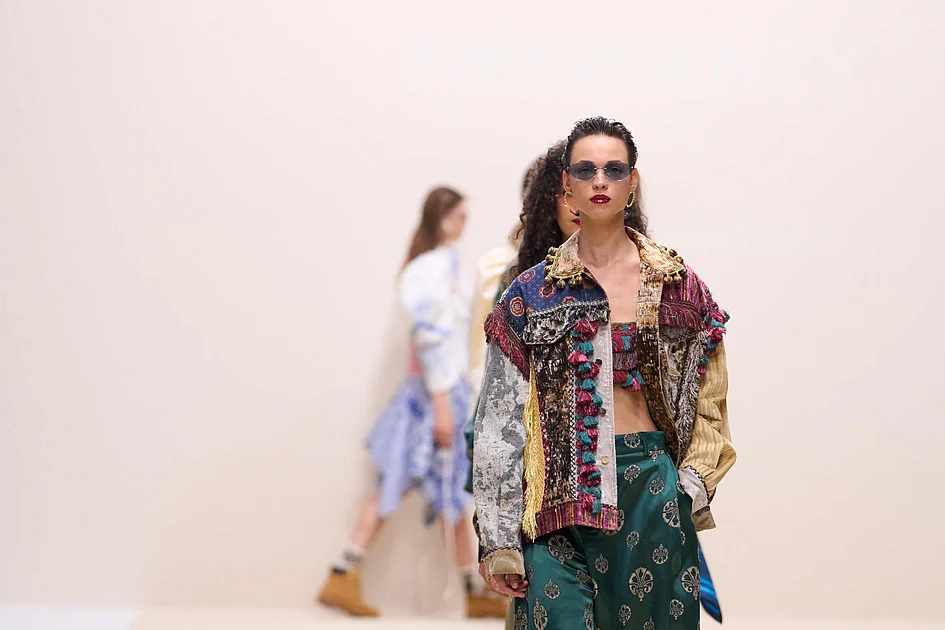
    Dubai Fashion Week has dramatically elevated its position within the global fashion hierarchy, transforming from a regional showcase into an indispensable industry event. The Autumn/Winter 2026–27 edition, running from February 1 to 6 at Dubai Design District, represents a pivotal moment for the event’s international credibility and commercial significance.

    This season establishes Dubai as the inaugural global platform for Fall/Winter collections, positioning the city ahead of traditional fashion capitals like Milan, Paris, and New York. The week opened with a landmark presentation by Italian luxury house Alberta Ferretti, marking a significant European endorsement of Dubai’s growing fashion influence.

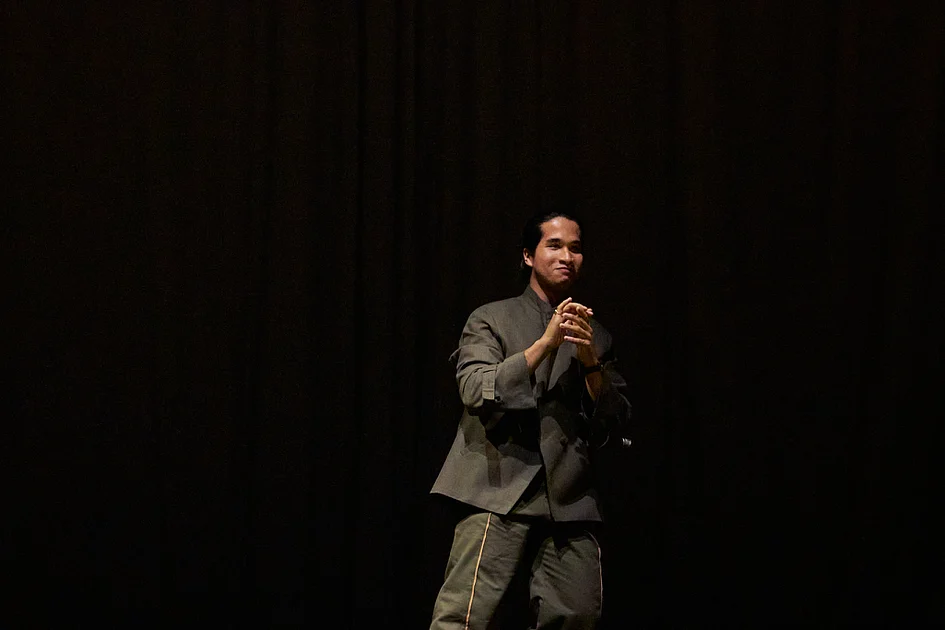
    The closing ceremony will feature iconic Indian couturier Manish Malhotra, returning after his critically acclaimed AW25–26 finale. Scheduled for February 6th, Malhotra’s show promises to showcase his signature fusion of Indian craftsmanship with Middle Eastern aesthetics, including sequined abayas, fluid kaftans, and precision tailoring designed for GCC luxury consumers.

    Additional highlights include the debut of John Richmond’s ‘Viva Richmond!’ collection on February 2nd. The London-based label, renowned for dressing music icons like Madonna and David Bowie, will present a music-inspired retrospective of its creative legacy.

    Beyond the runway, this edition emphasizes substantive industry dialogue around sustainability, inclusivity, and digital innovation. Curated talks and panels will address circular fashion economies, eco-conscious materials, and representation diversity, aligning Dubai Fashion Week with broader global fashion conversations.

    The event has simultaneously strengthened its commercial infrastructure through expanded buyer programs and showrooms that connect international retailers with both emerging and established labels. This enhanced business ecosystem positions Dubai Fashion Week as equally focused on artistic expression and long-term commercial impact, solidifying Dubai’s role in shaping fashion’s future.

  • Milan Fashion Week: Five trends and buzzwords from menswear previews for next winter

    Milan Fashion Week: Five trends and buzzwords from menswear previews for next winter

    MILAN — The recently concluded Milan Fashion Week became an unexpected canvas for Olympic inspiration, with designers seamlessly blending athletic aesthetics with high fashion. Canadian design duo Dsquared2 delivered a playful homage to the Winter Games, while Ralph Lauren showcased sophisticated ski resort wear in preparation for outfitting Team USA. Emporio Armani contributed to the sporting theme with an in-store presentation of Team Italia’s official uniforms.

    The event transcended mere stylistic discussions, with front-row conversations gravitating toward substantive issues of diversity, sustainability, and fashion’s evolving role in contemporary society. Over four days of Fall-Winter 2026-27 previews, predominantly focused on menswear, several key trends emerged that redefine modern luxury.

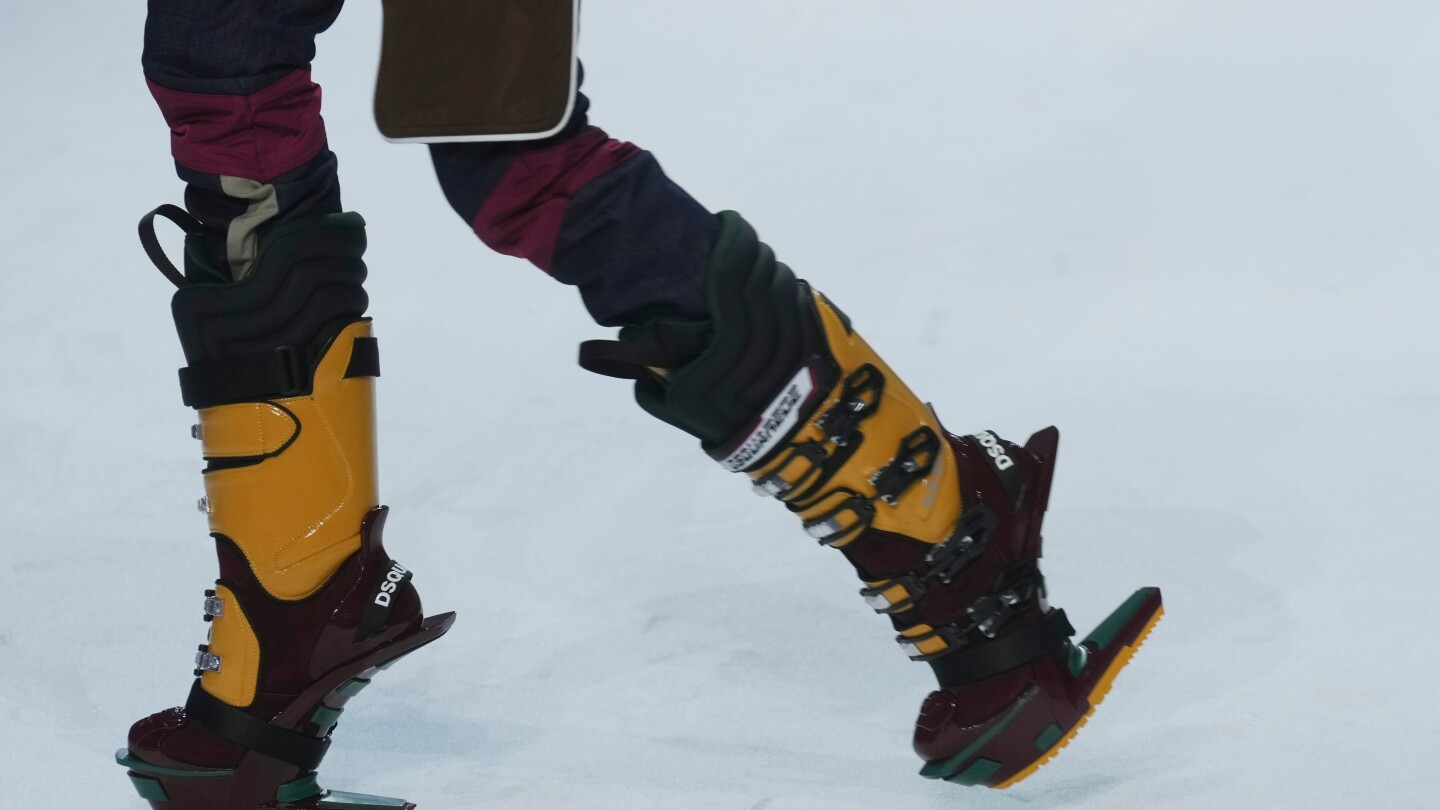
    Dsquared2’s Canadian founders, Dean and Dan Caten, presented a collection that humorously imagined their alternative as Olympic outfitters for Team Canada. The show opened with actor Hudson Williams, star of the acclaimed series ‘Heated Rivalry,’ descending a snow-dusted staircase in distressed double denim and glittering athletic accents. The brand’s innovative footwear solutions stood out, particularly hybrid designs that transformed elegant heels into functional ski boots through clever ankle mechanisms.

    Ralph Lauren adopted a more refined approach to mountain aesthetics within their historic Milan palazzo. The collection featured geometric knit patterns, technical fleece layers, and classic flannel that celebrated American heritage. Presented to an exclusive audience including Nick Jonas and Tom Hiddleston, the designs offered both warmth and sophistication for the Olympic season.

    Prada’s creative leadership, Miuccia Prada and Raf Simons, revolutionized men’s accessories with origami-inspired foldable headwear that could be conveniently attached to outerwear. Their collection introduced modular capes providing practical protection, while dress shirts featured unconventional T-shirt necklines and rear fastenings. The strikingly slim silhouette of their car coats sparked discussion, which Prada addressed directly: ‘We must balance intellectual honesty with creating beautiful, believable elegance for our audience.’

    Sustainability emerged as a critical theme, particularly at Zegna where Creative Director Alessandro Sartori emphasized generational quality over transient trends. The collection featured versatile jackets with innovative button mechanisms allowing multiple styling options. Sartori noted: ‘Our customers are collectors, not just fashionistas.’ Zegna’s commitment to longevity was underscored by displaying a century-old jacket from their archives, while their control over 60% of the supply chain provides unique sustainability credentials amid industry challenges.

    Men’s jewelry gained significant prominence, with Dolce & Gabbana incorporating elaborate lapel pins, brooches with integrated timepieces, and heirloom-quality chains into evening wear. Prada complemented their extended sleeves with semi-precious stone cufflinks in lapis lazuli and tiger’s eye, finished with asymmetrical sculptural earrings.

    Diversity initiatives received mixed attention, with Ghanaian designer Victor Hart making his Milan debut supported by the Afrofashion Association. His powerful denim creations incorporated industrial elements and streetwear influences. However, Dolce & Gabbana faced criticism for exclusively white model casting, drawing social media commentary describing the selection as ‘a thousand shades of white’ and ‘diabolical for 2026.’ This contrasted with the diversity renaissance Milan fashion experienced following the Black Lives Matter movement, suggesting ongoing challenges in achieving meaningful inclusion.

  • Trade Pantone’s ‘cloud dancer’ white for crisp winter blues: 10 buys to reset your style

    Trade Pantone’s ‘cloud dancer’ white for crisp winter blues: 10 buys to reset your style

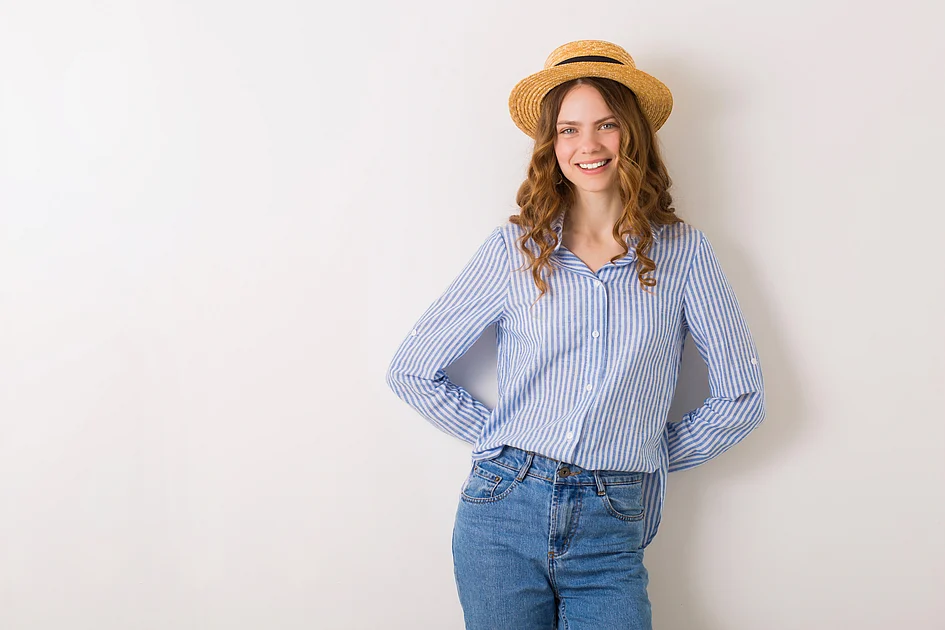
    As Pantone’s ‘Cloud Dancer’ off-white takes the title of 2026’s Color of the Year, fashion insiders in Dubai are championing an alternative palette inspired by the region’s crystalline winter skies. While the airy white shade has its merits for UAE wardrobes—particularly in a climate free from urban grime—style experts argue that the post-holiday season calls for more restorative and optimistic tones.

    The current Dubai winter presents perfect conditions for outdoor living, making crisp blue hues the preferred choice for seasonal style resets. This shift toward azure tones reflects a desire for clarity, calm, and quiet confidence after a month of festive soirées and sequins.

    Leading the blue revolution are ten carefully curated pieces that capture the essence of the Emirates’ winter atmosphere. From Jumeirah Group’s inaugural leisurewear line featuring low-key caps for the locally savvy, to UPF50-protected surf suits ideal for January beach scenes, the selections prioritize both style and practicality.

    Notable recommendations include Cordova’s gingham ski jacket for slope-ready styling, hourglass-illusion creating one-pieces for the bikini-averse, and Mediterranean-inspired brunch dresses adorned with whimsical mermaids. For evening elegance, Tom Ford’s impeccably tailored mineral blue satin playsuit offers dramatic open-back sophistication.

    The trend extends to accessories with meaningful touches, such as Max&Co’s collaboration with word artist Pietro Terzini expressing universal parental sentiments after extended school breaks. Even the much-Googled ‘jorts’ (denim shorts) receive a chic makeover, while Piaget’s ‘Possession’ watch features interchangeable alligator straps in light blue, navy, and lapis shades.

    Travel essentials join the movement with Rimowa’s limited-edition ‘powder blue’ suitcase collection, designed to bring tranquility to baggage carousels and complement the season’s serene aesthetic.

  • Why luxury pop-ups are fashion’s new permanent landmark

    Why luxury pop-ups are fashion’s new permanent landmark

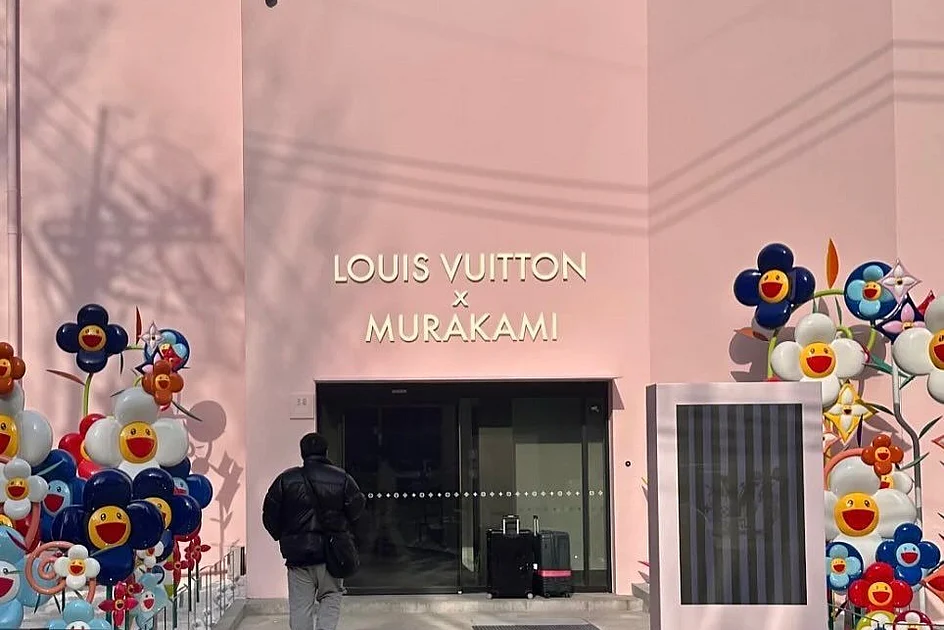
    In the evolving landscape of luxury retail, temporary installations have transcended their marketing origins to become the industry’s most potent narrative vehicle. These ephemeral brand experiences represent a fundamental shift from traditional retail paradigms toward immersive, photographable worlds that prioritize emotional engagement over mere commerce.

    The phenomenon manifested dramatically when a luminous lemon-yellow cube materialized overnight in Seoul’s Seongsu-dong district. This minimalist structure, devoid of branding yet immediately recognizable as Loewe’s artistic statement, functioned as a walk-in seasonal universe that existed merely days yet became the city’s most photographed destination. This exemplifies luxury’s new reality: the most influential retail moments now emerge from exquisitely crafted temporary spaces designed to imprint deeply before vanishing completely.

    Leading maisons have mastered this art of impermanence with remarkable creativity. Dior’s desert installation in Qatar featured earth-toned structures emerging from the sands like a mirage, blurring boundaries between fashion, art, and environment. The experience leveraged atmospheric elements—shifting light, desert winds—to create something feeling simultaneously tangible and dreamlike.

    Jacquemus approaches pop-ups as cinematic whimsy, exemplified by Paris’s walk-in Bambino bag sculpture and Mediterranean beach snack stands that function as three-dimensional mood boards. Conversely, Louis Vuitton creates monumental architectural statements like Tokyo’s mirrored sphere that reflected the skyline in distorted panoramas, or Miami’s beachfront walk-in trunk that became a temporary landmark.

    This strategic evolution responds to profound changes in luxury psychology. Contemporary consumers, particularly younger demographics, seek sensation, novelty, and cultural participation beyond ownership. Pop-ups offer emotional currency through limited-time access, creating scarcity through temporality rather than product availability. The ‘I was there’ badge of honor generates deeper brand connection than traditional purchasing.

    While social media amplifies their impact, the core appeal lies in experiences that cannot be replicated. In an oversaturated content landscape, truly unique, non-repeatable experiences become extraordinary. These temporary installations allow brands to express daring creativity, humor, and poetry impossible within permanent retail constraints. When they disappear, they leave behind what no flagship can replicate: enduring memory and cultural resonance.

  • Why tailoring your suits is the fashion need of the hour

    Why tailoring your suits is the fashion need of the hour

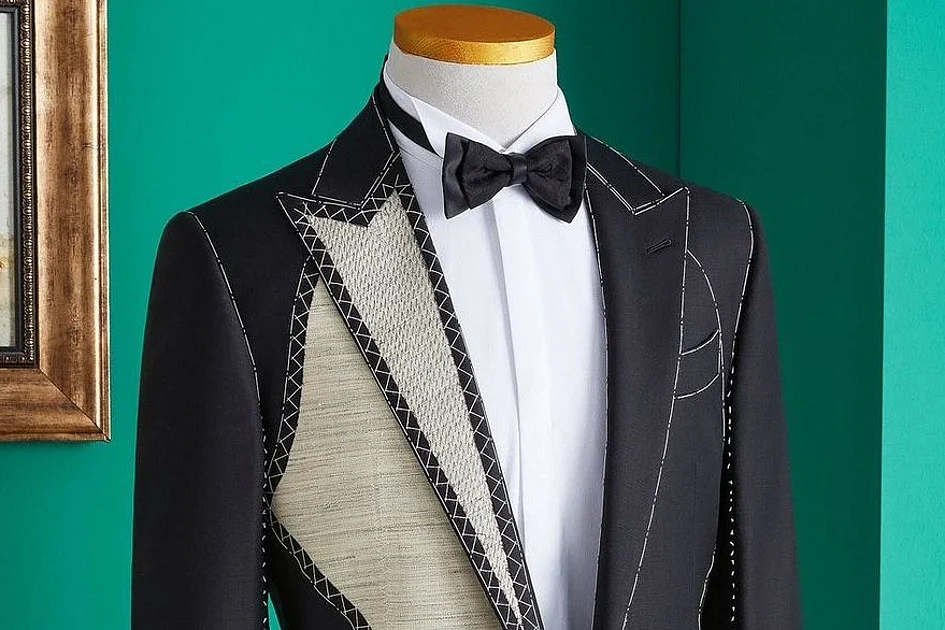
    In an era dominated by casual wear and algorithm-driven fashion trends, the art of bespoke tailoring is making a remarkable comeback. This revival is not about reviving old-world formality but about embracing personal style and individuality. From Savile Row in London to Sheikh Zayed Road in Dubai, the meticulous craft of tailoring is reclaiming its place in the fashion world.