分类: education

  • UAE universities lead regional rise in new QS Global Rankings

    UAE universities lead regional rise in new QS Global Rankings

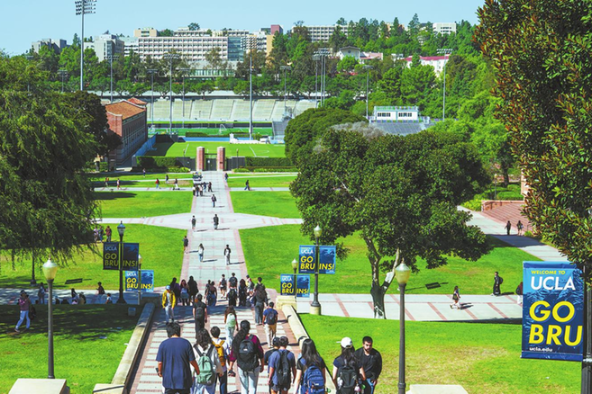
    The United Arab Emirates (UAE) has emerged as a regional leader in higher education sustainability, with its universities making significant strides in the latest QS World University Rankings: Sustainability 2026. Released on Tuesday, the rankings evaluated nearly 2,000 institutions across 106 locations, marking it as the most extensive sustainability-focused ranking to date. Among the UAE’s 13 ranked universities, seven improved their positions, reflecting a 54% rise in performance. The United Arab Emirates University led the national charge, climbing to 318th globally, while Khalifa University secured the 384th spot. Notably, UAE institutions excelled in the Social Impact category, with the United Arab Emirates University jumping 99 places to 263rd, driven by strong indicators in education impact and employability. The region-wide improvements align with national sustainability agendas, such as the UAE’s Net Zero 2050 Strategy and Egypt’s Vision 2030. Leigh Kamolins, QS Director of Analytics and Evaluation, highlighted the region’s commitment to aligning higher education with climate and development goals. The Arab Region saw 147 universities ranked, including 29 newcomers, with 68 institutions improving their positions. Lebanon recorded the highest proportion of rising institutions at 86%, while Bahrain, Qatar, and Kuwait achieved near-complete improvement rates. The American University of Beirut led the Arab Region, climbing to 176th globally, while King Abdulaziz University entered the global top 200 for the first time. Despite progress, governance metrics revealed uneven performance, with 79 universities declining in this category. Jessica Turner, CEO of QS Quacquarelli Symonds, emphasized the ranking’s role in driving innovation and addressing global sustainability challenges.

  • Why students turn to ChatGPT instead of teachers, Dubai Future Forum reveals

    Why students turn to ChatGPT instead of teachers, Dubai Future Forum reveals

    A groundbreaking revelation at the Dubai Future Forum 2025 has shed light on the growing trend of students turning to generative AI tools like ChatGPT for academic assistance, often bypassing traditional teacher-student interactions. The forum, held from November 18 to 19, brought together over 2,500 participants and 200 speakers from around the globe to discuss the future of education and technology.

  • Remote learning, reduced timings: UAE public schools begin centralised exams review

    Remote learning, reduced timings: UAE public schools begin centralised exams review

    Public schools across the UAE have initiated a strategic approach to support students as they prepare for the upcoming Term 1 centralised examinations. Following the conclusion of National Day celebrations last Friday, schools have shifted their focus entirely to academic readiness. A revised schedule has been introduced, featuring shortened school hours from Monday to Wednesday, with classes ending no later than 1.20pm. This adjustment aims to provide students with ample time to rest before engaging in evening review sessions. On Wednesday, schools will transition to remote learning, offering virtual review classes through official online platforms. Attendance will be recorded, and parents have been informed of the updated schedules to ensure students participate actively. The Ministry of Education’s Tamkeen Digital Initiative plays a pivotal role in this preparation phase. This program offers high-quality, intensive review sessions led by teachers from both government and private schools. Virtual sessions, running from 5pm to 8.30pm, have attracted thousands of students nationwide. Students can access these sessions through links shared by their schools and even attend review classes offered by other institutions, allowing them to benefit from a diverse pool of educators and flexible timings. The concerted efforts of schools and teachers underscore their commitment to ensuring students are well-prepared and positioned for strong academic performance in the upcoming exams.

  • Confucius Institute continues expansion with new projects

    Confucius Institute continues expansion with new projects

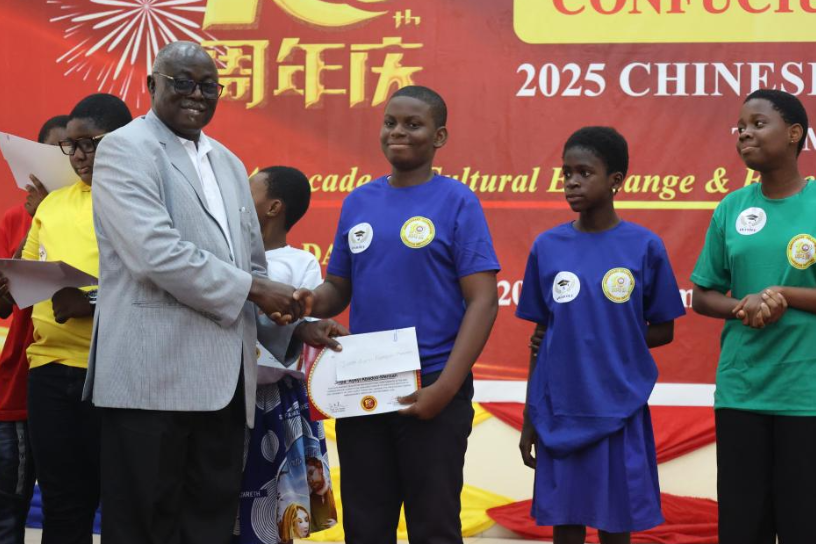
    The Confucius Institute has marked a significant milestone in its global expansion by launching 16 new projects in 2025, including 15 Institutes and one Classroom. This expansion introduces the first Confucius Institutes in Algeria and Guinea-Bissau, further solidifying its presence across 164 countries and regions. The announcement was made during a sub-forum at the World Chinese Language Conference in Beijing, where ten of the new institutions were officially recognized with plaques. This brings the total number of Confucius Institutes worldwide to 510, reinforcing their role as a cornerstone of international Chinese education and cultural exchange. Assia Kaced, vice-rector of Algiers 2 University, expressed enthusiasm about the new institute in Algeria, highlighting the growing demand for Chinese language skills among the youth and its connection to strengthened economic ties between Algeria and China. The institute aims to not only teach language but also foster mutual understanding and respect between Algerian and Chinese youth. In Kenya, the Confucius Institute at Egerton University has pioneered an innovative model integrating Chinese language learning with agricultural technical training, benefiting thousands of students and local farmers. China’s Vice-Minister of Education, Ren Youqun, emphasized the need for Confucius Institutes to enhance teaching quality, explore AI integration, and align with the career development needs of trainees. Duan Peng, president of Beijing Language and Culture University, underscored the importance of local integration and digital innovation in ensuring the continued success of Confucius Institutes.

  • UAE: Zayed University prepares students for jobs from their first year

    UAE: Zayed University prepares students for jobs from their first year

    Zayed University is revolutionizing higher education by equipping students with practical skills and career readiness from their very first year. Through its innovative Workplace Readiness course, part of the “First Year Experience” program, the university has partnered with Khaleej Times to bridge the gap between academic learning and real-world professional experience. This initiative introduces students to teamwork, communication, and professional ethics while helping them align their strengths with future career paths. The course, targeted at first-year, second-semester students, aims to expose them to diverse career opportunities early in their academic journey. Dr. Lani San Antonio, Assistant Professor and Course Coordinator, emphasized that the program, launched in 2024, prepares students not only for post-graduation life but also for personal and professional growth during their university years. Students engage in industry sessions, office visits, and final projects, receiving feedback from professionals. Alia R Zaghloul, Head of People and Culture at Khaleej Times, noted significant improvements in students’ critical thinking and interpersonal skills. The program culminated in an Industry Showcase, where students creatively presented their projects, highlighting their understanding of various departments within partner companies. Students like Mohammed Samir and Mariam Jamal Alfalasi praised the program for its hands-on approach and transformative impact on their career perspectives. Despite logistical challenges, the initiative has proven to be a cornerstone in fostering collaboration, creativity, and professional awareness among young Emirati talent.

  • New teaching materials to aid international Chinese language education released

    New teaching materials to aid international Chinese language education released

    In a significant stride for international Chinese language education, the first series of teaching materials based on the ‘expression-driven’ teaching theory, alongside a case study series for international Chinese education degrees, were unveiled on Friday. These resources aim to address practical challenges faced by educators worldwide and offer actionable insights for teachers and researchers. The release took place at the 2025 World Chinese Language Conference, where Zhong Yinghua, President of the World Chinese Bridge Teaching Society, introduced the two new works: ‘Expressing in Chinese’ and ‘The Case Study of International Chinese Education Degree.’ These publications mark a pivotal development in the field, providing innovative tools to enhance the teaching and learning of Chinese as a global language. The materials are designed to bridge gaps in current educational practices, fostering a more effective and engaging learning experience for students and educators alike.

  • Sino-foreign educators expand intl vocational training cooperation

    Sino-foreign educators expand intl vocational training cooperation

    In a significant move to bolster global vocational education, Sino-foreign officials and educators have pledged to deepen exchanges and cooperation. This initiative aims to cultivate interdisciplinary talents that align with the evolving demands of modern education, driven by increasing global collaboration. Fang Shusheng, an inspector at the Guangdong provincial department of education, emphasized the critical role of openness and cooperation in the education sector. He urged universities and colleges worldwide to adopt a broader global perspective to advance the internationalization of vocational education. Fang made these remarks at the Guangdong Province ‘Belt and Road’ Vocational Education Alliance 2025 Annual Activities held in Guangzhou. Ma Renting, president of Guangzhou Polytechnic University, highlighted the university’s extensive cooperative relations with over 20 countries and regions, creating a robust platform that spans major Belt and Road Initiative participants. He stressed the importance of Sino-foreign cooperative education in systematically cultivating professionals proficient in Chinese, familiar with the culture, and skilled in specialized technologies. Sounantha Souvanlasy, dean of the Faculty of Pharmacy at the University of Health Sciences in Laos, noted the in-depth exchanges with Guangdong Food and Drug Vocational College, resulting in a basic cooperation agreement. This collaboration is expected to complement each other’s strengths, pursue common development, and extend educational cooperation in the medical and health field between China and Laos. The event, attended by over 200 representatives from 42 domestic and 15 overseas universities and colleges, along with 20 cooperative enterprises, featured keynote speeches, expert lectures, and round-table meetings. Seven cooperation projects were signed, covering university-university partnerships, university-enterprise collaboration, and international order-based training programs, aligning with the needs of international vocational education cooperation and industrial development directions. These agreements are set to expand the breadth and depth of Guangdong’s international vocational education cooperation.

  • Experts advocate smart tech to advance inclusive education

    Experts advocate smart tech to advance inclusive education

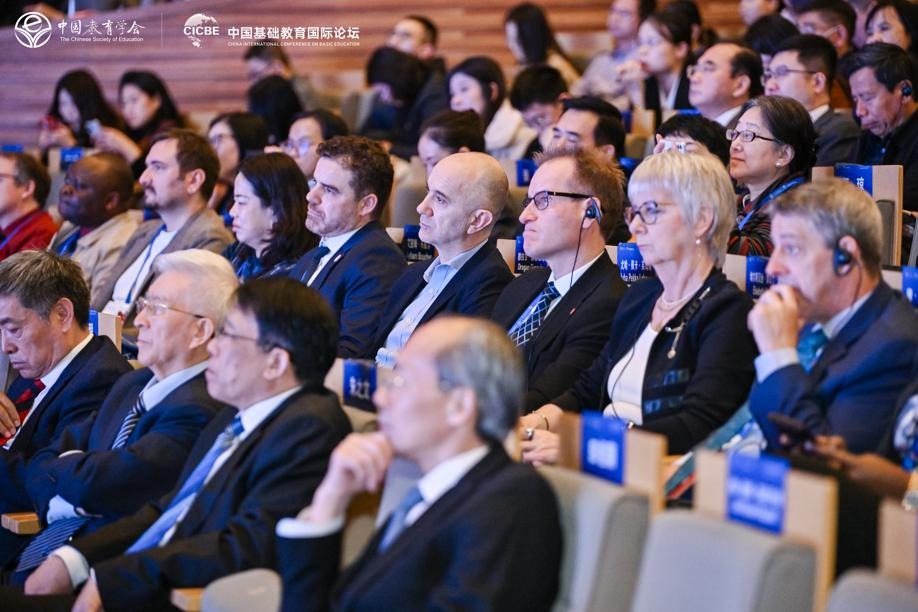
    At the Third International Conference on High-Quality Development in Special Education, held in Beijing on November 13, 2025, a distinguished panel of special education experts from China, the United Kingdom, the United States, and Singapore underscored the pivotal role of smart technologies in fostering inclusive classrooms. The conference, themed ‘Inclusion and Intelligence,’ was co-hosted by the special education branches of Beijing Normal University and the University of Strathclyde.

    Zhu Xudong, Dean of BNU’s Faculty of Education, highlighted the shifting dynamics in special education, noting the increasing prevalence of autism and the corresponding decline in physical disabilities. He called for enhanced cross-sector collaboration, particularly in the era of AI, to develop innovative inclusive classroom practices.

    Deborah Robinson, Head of the University of Strathclyde’s Institute of Education, echoed this sentiment, emphasizing the potential of AI and advocating for deeper international partnerships. Li Tianshun, Vice-President of the Chinese Society of Education, identified intelligent technology as a crucial support for inclusive education, which is now a global mainstream trend. He urged the establishment of a comprehensive, all-age education system built on shared research and international cooperation to drive systemic change.

    Huang Wei, Head of Special Education at the Ministry of Education’s Department of Basic Education, pointed out that digital transformation has significantly driven the high-quality development of special education over the past five years. Moving forward, efforts will be intensified to enhance digital infrastructure, develop specialized large-language models tailored for special education, and deepen international collaboration. These measures aim to propel special education into a new phase characterized by precise and personalized services.

    Piao Yongxin, a founding figure of modern special education in China, emphasized that while the field must embrace digital transformation, technology should be viewed as a tool rather than an end. He stressed that the essence of special education remains committed to serving the holistic development of individuals and the strategic needs of the nation.

    The conference featured in-depth discussions on the training of special educators and the application of AI, with participants from various countries sharing insights and best practices.

  • World University Presidents Forum in Hangzhou discusses AI in education

    World University Presidents Forum in Hangzhou discusses AI in education

    The 2025 World University Presidents Forum, held in Hangzhou, Zhejiang province, brought together over 170 leaders from academia, government, and industry across 40 countries to explore the transformative role of artificial intelligence (AI) in higher education. Co-hosted by the China Association of Higher Education and Zhejiang University (ZJU), the forum emphasized the need for innovation, ethical considerations, and global collaboration in integrating AI into teaching, learning, and university governance. Vice-Minister of Education Ren Youqun highlighted the importance of risk prevention, expanded data access, and ethical rationality as AI continues to evolve. A key outcome of the forum was the launch of the Global University Collaborative Mechanism for Innovation in AI Education and Teaching, which includes 78 founding member universities from China and abroad. This initiative will publish a white paper on AI literacy, develop global open courses, and introduce ‘AI+X’ micro-programs under the STEP (Start, Train, Explore, Progress) framework. ZJU President Ma Yanming shared insights into the university’s AI STEP Initiative, which aims to foster AI-empowered education and cultivate students as innovators. Concurrently, the 2025 International Forum on Higher Education released the Hangzhou Initiative, advocating for human–machine collaboration in talent cultivation, intelligent research paradigms, AI-enhanced governance, and global innovation in education. Ren Shaobo, Chairman of the ZJU Council, reiterated the university’s commitment to nurturing innovative talent and exploring AI-driven governance models. UNESCO’s Shahbaz Khan underscored the broader societal impact of AI, emphasizing its potential to support equity, sustainability, and peace. The forum marked a significant step toward reshaping global higher education in the AI era.

  • New guideline strengthens tech education

    New guideline strengthens tech education

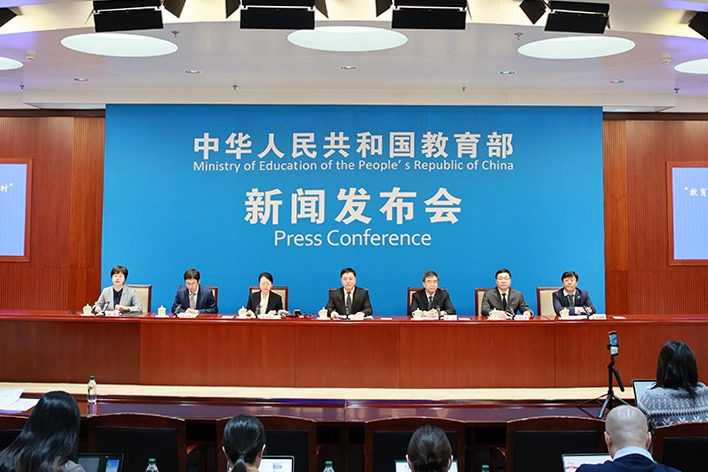
    China has introduced a groundbreaking guideline aimed at bolstering science and technology education in primary and secondary schools. The initiative seeks to foster curiosity, creativity, and hands-on learning among students, laying the foundation for a self-reliant nation with a robust talent pool. By 2030, the plan envisions a well-structured system featuring an enhanced curriculum, superior teaching quality, and advanced evaluation methods. The Ministry of Education, along with six other departments, unveiled the guideline during a recent press conference. Tian Zuyin, Director of the Department of Basic Education, emphasized that this move aligns with the principles set forth at the fourth plenary session of the 20th Central Committee of the Communist Party of China, which stressed the importance of a coordinated education and science system. The guideline outlines specific objectives for different educational stages. Lower primary students will engage in playful, life-oriented activities to spark curiosity, while senior primary students will undertake hands-on experiments and project-based tasks. Middle school students will tackle cross-disciplinary projects addressing real-world issues, and high school students will explore cutting-edge scientific advancements and conduct experimental research. The plan also advocates for the integration of scientific and humanistic education, encouraging students to consider the societal, environmental, and ethical implications of technological progress. Assessment methods will be diversified to reduce reliance on examinations, thereby alleviating the burden on teachers and students. The establishment of the UNESCO International Institute for STEM Education in Shanghai underscores international recognition of China’s efforts in this domain. Provinces like Zhejiang, Jiangsu, and Chongqing have already taken proactive steps, incorporating technology into curricula and investing in science labs. With over 1,150 science museums and numerous national science education bases, China is well-positioned to cultivate the next generation of innovators. Xu Xuejun, Vice-President of Tongji University, highlighted the importance of early education in building a strong foundation for long-term scientific and technological advancement.