分类: education

  • Minerva Virtual Academy launches in Abu Dhabi, new model for modern learners

    Minerva Virtual Academy launches in Abu Dhabi, new model for modern learners

    Abu Dhabi has become the latest hub for educational innovation with the official launch of Minerva Virtual Academy (MVA), a UK-accredited online school that challenges conventional classroom paradigms. The institution’s expansion into the UAE capital responds to growing parental concerns about rigid educational structures and their impact on student wellbeing.

    The academy, which began with just four students in the UK in 2020, now serves over 1,400 families across 60 countries. Its distinctive approach combines synchronous online instruction, self-directed learning modules, and weekly personalized mentoring sessions. This educational model specifically caters to globally mobile families, neurodivergent learners, elite athletes, and high-achieving students who require adaptable learning environments.

    During the launch event, Founder & CEO Hugh Viney emphasized the academy’s foundational philosophy: “Education must adapt to the child—not the other way around. We created MVA after observing numerous capable, creative children struggling within systems not designed for their unique needs.”

    Harry Allen, Vice Principal with over two decades of international education experience, leads regional engagement efforts. He clarified that MVA transcends typical digital learning platforms: “This isn’t merely an online alternative; it’s a legitimate school built on meaningful relationships between educators, students, and families.”

    Despite its virtual delivery method, the academy maintains strong community connections through local meet-ups, enrichment activities, and physical study hubs. The institution has announced strategic partnerships with 8BillionIdeas to expand extracurricular offerings and with ElevatED’s Learner’s Lounge to establish in-person learning spaces across the GCC region.

    The Abu Dhabi launch signifies a broader shift in regional education preferences, reflecting increased demand for models that prioritize emotional wellbeing alongside academic excellence without compromising educational rigor or UK accreditation standards.

  • Future ready education at Al Yasat Private School

    Future ready education at Al Yasat Private School

    In an innovative educational shift, Al Yasat Private School has strategically integrated esports into its academic curriculum, transforming competitive gaming into a legitimate pathway for developing essential 21st century skills. This forward-thinking approach, implemented as of January 2026, represents a significant departure from traditional perceptions of gaming as mere recreation.

    The school’s esports program operates alongside established specialized pathways including aviation, engineering, artificial intelligence, drone technology, and video production. The initiative extends far beyond competitive gameplay, serving as an immersive learning environment that cultivates critical cognitive abilities. Students engage in complex problem-solving scenarios that require rapid information evaluation, strategic adaptation, and collaborative decision-making under pressure.

    Each esports match functions as a dynamic classroom where participants continuously analyze opponents’ strategies, assess evolving game situations in real-time, and adjust their tactical approaches accordingly. This process systematically builds competencies in critical thinking, teamwork, and rapid response formulation—skills directly transferable to professional environments these students will eventually enter.

    The program’s implementation reflects Al Yasat’s commitment to preparing students for a rapidly evolving global landscape that demands individuals capable of navigating complex challenges both independently and as part of collaborative teams. By embracing esports as an educational tool rather than merely recreational activity, the institution demonstrates its dedication to developing lifelong learners equipped with practical abilities for future success.

    This educational innovation strengthens school communities while providing high-engagement learning experiences that directly support the institution’s core mission of comprehensive student development in alignment with emerging global demands.

  • Ajyal Al Falah’s bilingual literacy model shows strong early years success

    Ajyal Al Falah’s bilingual literacy model shows strong early years success

    A pioneering educational approach at Ajyal Al Falah International School in Abu Dhabi is transforming early childhood language acquisition through an innovative bilingual literacy framework. The institution’s methodology, which has garnered substantial parental endorsement, integrates a comprehensive Bilingual Literacy Curriculum with Content and Language Integrated Learning (CLIL) principles and translanguaging pedagogy.

    This educational model enables young learners to develop simultaneous proficiency in both Arabic and English while engaging with academic content. Early-years educators have masterfully blended language instruction with play-based activities, creative construction, and subject-specific learning. The approach follows a constructivist pedagogical philosophy, recognizing that children learn most effectively through inquiry, peer interaction, and guided exploration.

    Principal Dr. Antoinette Brown, in collaboration with kindergarten teachers, developed a five-step language development strategy based on qualitative phenomenological research. Teacher reflections revealed their active involvement in curriculum design, incorporating technology, culturally responsive resources, and subject-specific vocabulary to support literacy development.

    Critical findings indicate that the CLIL and translanguaging methodology significantly enhanced student receptiveness and confidence in both languages. Children demonstrated improved vocabulary comprehension through peer dialogue, increased participation, and deeper engagement with children’s literature. The model successfully maintains Arabic’s academic and social prestige in alignment with UAE Ministry of Education standards, preventing marginalization of the native language.

    Classroom implementation strategies included:
    – Deployment of specialized bilingual resources and modeling of bilingual phrases
    – A “repair and talk” technique to scaffold student dialogue
    – Strategic technology integration
    – Cross-curricular vocabulary practice through meaningful play-based activities

    Researchers noted that emotional and social readiness substantially contributes to successful language acquisition. Teachers observed elevated levels of well-being, motivation, and self-expression during student-directed activities compared to teacher-centered instruction. Notably, Arabic-speaking students naturally employed ‘amiya (spoken Arabic) to support peers through translanguaging, fostering collaborative comprehension across languages.

    The school’s kindergarten program establishes that early investment in Arabic-English integration through play and dialogue creates essential foundations for advanced academic success. By embedding bilingual education, CLIL, and translanguaging into daily practice, Ajyal Al Falah sets a new standard for early childhood pedagogy while providing the cognitive and academic groundwork for future educational achievement.

    Admissions are currently available from Pre-KG through Grade 12 for the 2026–2027 academic year.

  • Zhangjiakou academy students hit Olympic ski slopes as winter break begins

    Zhangjiakou academy students hit Olympic ski slopes as winter break begins

    In a vibrant fusion of academic programming and Olympic legacy utilization, students from Tianshu Academy embarked on their winter vacation with an immersive skiing experience at former 2022 Beijing Winter Olympic venues this Monday. The institution, operating under Beijing Information Science and Technology University with campuses in Zhangjiakou, Hebei province, has pioneered a specialized skiing curriculum that transforms world-class athletic facilities into educational assets.

    The academy, which welcomed its inaugural cohort of 500 students in September 2025, has integrated winter sports practice into its regular educational framework, allowing students to access professional slopes during weekends and holiday periods. This initiative represents a strategic implementation of the Beijing-Tianjin-Hebei coordinated development strategy, creating unique educational opportunities while promoting winter sports participation.

    Beyond athletic development, Tianshu Academy has established three specialized industry research institutes focusing on advanced manufacturing, new energy systems, and data economy technologies. This multidisciplinary approach connects physical education with technological innovation, preparing students for diverse career pathways in emerging industries. The skiing program not only develops athletic proficiency but also fosters discipline, teamwork, and health consciousness among participants.

    The utilization of Olympic infrastructure for educational purposes demonstrates China’s commitment to maximizing the long-term value of its substantial investments in winter sports facilities. This model of post-Olympic venue utilization offers a template for how host cities can transform event-specific infrastructure into sustainable educational and community resources.

  • UAE schools adopt later start times, green lessons to boost well-being

    UAE schools adopt later start times, green lessons to boost well-being

    In a transformative shift toward student-centered education, schools across the United Arab Emirates are implementing delayed morning start times and integrating comprehensive environmental programs to foster improved mental health and academic engagement. This progressive approach recognizes that well-being constitutes an equally critical component of education alongside traditional academics.

    Educational institutions including Nord Anglia International School Abu Dhabi and Bloom World Academy have pioneered the #MEtime initiative, allowing students to begin their school day at later hours. This strategic adjustment enables learners to customize their morning routines according to individual needs—whether through participating in campus activities, obtaining additional rest, or enjoying relaxed family breakfasts.

    Principal Liam Cullinan of Nord Anglia explained: ‘Our initiative emerged from extensive consultation with families. We recognized that well-being, adequate sleep, and emotional preparedness are fundamentally interconnected with academic success. Students now arrive significantly more focused, positive, and receptive to learning.’

    Concurrently, UAE schools are embedding environmental consciousness into their educational frameworks. Repton Abu Dhabi combines climate change education with practical action through its Eco Schools program, while Jebel Ali School recently documented over 3,600 wildlife sightings during an intensive ‘bioblitz battle’ event.

    John Bell, Principal of Bloom World Academy, emphasized the holistic benefits: ‘Our family-first philosophy prioritizes stress-free mornings for both students and educators. Later start times alleviate traffic congestion, enhance commute experiences, and acknowledge the demanding schedules of modern youth. When teachers achieve better work-life balance, instructional quality improves accordingly.’

    This educational transformation represents a paradigm shift in the Emirates’ approach to learning, positioning student wellness and environmental stewardship as inseparable components of comprehensive education.

  • New UAE age cut-offs: What it means for schools that start in April

    New UAE age cut-offs: What it means for schools that start in April

    The United Arab Emirates’ recently implemented age cut-off adjustment for school admissions has created distinct pathways for different educational systems operating within the country. While the revised policy permits children born between September and December to commence pre-kindergarten earlier beginning the 2026-27 academic year, this change exclusively benefits institutions following the September intake calendar.

    Indian curriculum schools, which constitute a significant portion of the UAE’s educational landscape, remain unaffected by these modifications. These institutions continue to operate according to their traditional April-March academic calendar, maintaining their longstanding March 31 age cut-off date. This continuity ensures that children born after this threshold will still enroll in the subsequent academic year, preserving the established admission framework.

    Educational authorities emphasize that this consistency is strategically intentional. Indian schools in the UAE mirror admission regulations prevalent in India, and any alteration to the cut-off system could potentially disrupt grade placement protocols, board examination requirements, and student transfers—particularly for families frequently moving between the two nations.

    Meena Menon, Primary Section Supervisor at Global Indian International School (GIIS), clarified that while the new policy offers flexibility for international curriculum schools, “nothing changes for them” regarding Indian curriculum institutions. This stability provides parents with clarity, consistency, and smoother educational transitions, enabling confident academic planning despite broader systemic evolution.

    For inter-school transfers, whether international or curriculum-based, placement decisions will continue to rely on the last successfully completed grade, with institutions following approved equivalency and assessment procedures to maintain educational continuity.

    Education leaders have welcomed the policy’s child-centered approach while acknowledging the practical necessities of maintaining parallel systems. Dr. Sharafudean Thanikatt, Principal of Crescent English High School, described the broader change as “a positive move toward child-centred education” that could reduce stress for both children and parents with appropriate early years support.

    Springdales School Dubai Principal David Jones noted that while the revision offers “welcome relief” for September-born children in international systems, Indian schools continue to provide parental guidance regarding long-term implications for senior board examinations where Indian age norms remain applicable.

  • Education bolstered to meet strategic needs

    Education bolstered to meet strategic needs

    China is poised to launch the third iteration of its ambitious ‘Double World-Class’ initiative in 2026, representing a significant evolution in the nation’s higher education strategy. This comprehensive program aims to cultivate world-class universities and academic disciplines that directly serve national strategic objectives and regional development priorities.

    The initiative, operating on five-year cycles with competitive selection mechanisms, completed its inaugural phase (2016-2020) with 137 participating institutions. The subsequent round expanded to 147 universities while eliminating the previous distinction between ‘world-class universities’ and ‘world-class disciplines’—a strategic move to reduce institutional hierarchy.

    According to education policy experts, the third phase introduces several critical innovations. Professor Gao Hang, Vice-Dean of Renmin University’s School of Education, emphasizes that this round will strengthen connections between academic institutions and industrial innovation ecosystems. ‘The fundamental objective is transforming universities into active contributors to national economic and technological advancement,’ Gao stated.

    The Ministry of Education reports that ‘Double World-Class’ institutions already produce over 50% of China’s master’s graduates, 80% of doctoral graduates, and 90% of urgently needed high-level professionals. The new phase will address previous challenges including excessive competition and talent poaching while providing additional support to populous provinces and central/western regions.

    Policy researchers Lan Wenting and Wu Ni from the China National Academy of Educational Sciences note that universities will be categorized into three distinct types: research-intensive, application-oriented, and vocational institutions. This classification system enables specialized development according to national requirements, with research universities focusing on breakthrough innovation, applied universities strengthening industry collaboration, and vocational institutions developing skilled professionals.

    The selection process is expected to include more specialized institutions in fields such as medicine, agriculture, and emerging technologies. The dynamic adjustment mechanism will continue, maintaining quality control through performance-based warnings and removals, though experts anticipate limited exclusions in the upcoming cycle.

    Scheduled for official release in 2027, the third-round list is expected to feature strategic expansion in fields critical to national security and technological independence, particularly emphasizing interdisciplinary collaboration and emerging academic domains.

  • Degrees issued by 34 UAE-based universities get automatic recognition in pilot phase

    Degrees issued by 34 UAE-based universities get automatic recognition in pilot phase

    In a transformative move for higher education, the UAE Ministry of Higher Education and Scientific Research (MoHESR) has initiated an automatic degree recognition system encompassing 34 accredited universities across the nation. This pioneering program, currently in its pilot phase, eliminates traditional bureaucratic hurdles by providing immediate authentication of qualifications for graduates from participating institutions.

    The groundbreaking initiative represents a significant stride toward achieving zero government bureaucracy objectives while simultaneously enhancing operational efficiency within the national education framework. Since its implementation, the system has already facilitated seamless qualification recognition for over 25,000 graduates, demonstrating its substantial impact on the educational landscape.

    Ahmad Yousuf Al Nasser, Acting Assistant Under-Secretary for Higher Education Operations Sector at MoHESR, emphasized the strategic importance of this development: ‘Integrating 34 higher education institutions into this initial phase underscores our commitment to building a robust national recognition system through efficient, adaptable services that simultaneously support students, academic institutions, and align with evolving labor market requirements.’

    The technologically advanced system incorporates QR code verification technology, allowing instant authentication of qualifications from MoHESR-accredited institutions. This digital approach ensures compliance with established regulations while providing reliable, easily accessible confirmation of academic credentials.

    Future expansion plans include extending automatic recognition benefits to Emirati students pursuing education abroad through Ministry-supervised scholarship programs, thereby guaranteeing uninterrupted access to government services regardless of geographical location. This comprehensive approach accelerates graduates’ transitions into postgraduate studies or employment markets while facilitating compliance with government, residency, and visa requirements.

    The initiative forms part of MoHESR’s broader digital transformation strategy, which includes electronic tools for verifying qualifications obtained both within and outside the UAE, ensuring data integrity and usability for all relevant authorities.

  • Fudan’s AI guidelines aid both students, teachers

    Fudan’s AI guidelines aid both students, teachers

    Fudan University has unveiled comprehensive guidelines for generative artificial intelligence implementation in educational settings, marking a significant shift in pedagogical approaches for both faculty and students. The framework redefines educators’ roles from traditional knowledge transmitters to dynamic learning architects and intelligent mentors, while students are encouraged to evolve into collaborative decision-makers working synergistically with AI systems.

    The guidelines empower instructors to leverage AI for creating immersive teaching scenarios, designing progressive problem gradients, generating customized exercises, and enriching classroom examples. This technological integration enables professors to dedicate more attention to facilitating discussions, guiding cognitive processes, and delivering personalized feedback—a strategic adaptation to the rapidly evolving digital landscape.

    For the student population, AI serves as an autonomous learning companion that handles routine cognitive tasks including information retrieval and format organization. This delegation allows learners to concentrate on developing higher-order capabilities such as critical analysis, complex problem-solving, and enhanced emotional intelligence.

    The comprehensive document addresses multiple educational dimensions including classroom innovation, learning methodologies, evaluation systems, administrative management, faculty development, and scientific research. These standards represent China’s latest effort to establish ethical boundaries for generative AI in academic environments, with particular emphasis on academic integrity, usage transparency, and stakeholder accountability.

    This initiative follows similar movements within China’s academic community. In June 2024, East China Normal University and Beijing Normal University jointly released AI usage guidelines limiting AI-generated content to 20% of assignments with mandatory disclosure. Three months later, Tsinghua University established protocols requiring AI use disclosure in thesis work while prohibiting academic misconduct and sensitive data training.

    Fudan University had previously implemented AI regulations for undergraduate theses in late 2024, and the new guidelines reinforce that AI cannot replace fundamental academic activities including topic selection, ethical framework construction, data interpretation, or conclusion formulation.

    According to Lin Wei, Dean of Fudan’s Academic Affairs Office, “The central challenge for universities isn’t whether to adopt generative AI, but how to maintain educational essence amid rapidly expanding technological capabilities.” This perspective aligns with China’s first national guidelines for AI in education issued by the Ministry of Education in November, emphasizing teachers’ primary role supported by AI assistance.

    The guidelines provide specific implementation strategies: teaching teams may use AI to optimize course modules, learning tasks, and activity flows, creating cohesive learning cycles from lecture to reflection. General education courses can employ AI to generate interdisciplinary cases enhancing real-world relevance, while specialized courses benefit from AI’s ability to track field advancements and update materials. Practical courses leverage AI for designing programming environments, virtual simulations, and providing real-time operational feedback.

    Early implementations show promising results. Associate Professor Zhang Hao redesigned semiconductor device physics curriculum using AI methodologies, receiving enthusiastic student response. Professor Wang Yanjin from the School of Stomatology developed AI virtual patients with diverse personalities, allowing students to simulate clinical interactions and deepen pathological understanding through enhanced engagement.

  • Exam season begins in UAE: CBSE schools conduct board practicals, prelims

    Exam season begins in UAE: CBSE schools conduct board practicals, prelims

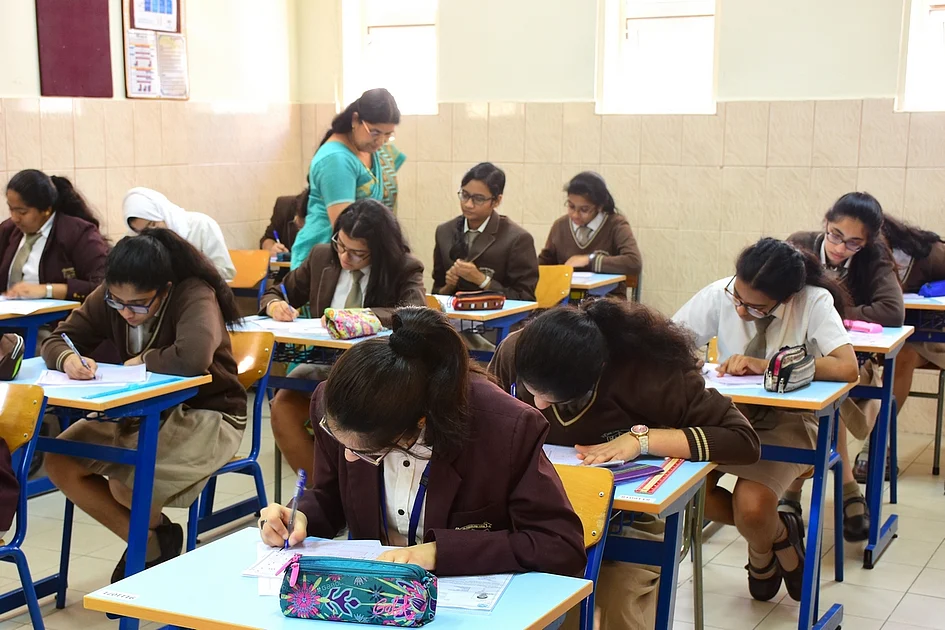
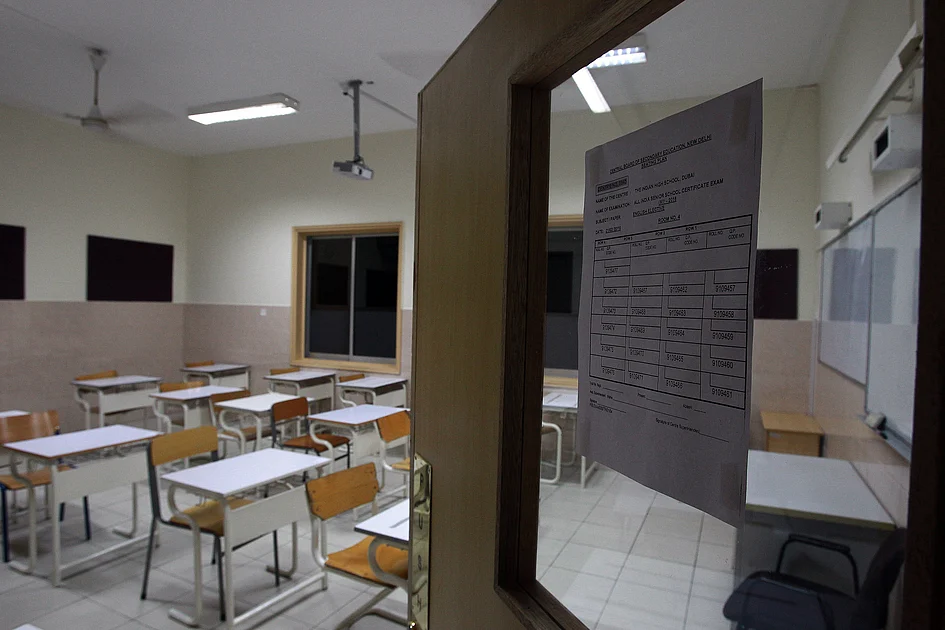
    Educational institutions across the United Arab Emirates affiliated with the Central Board of Secondary Education (CBSE) have commenced the critical examination period for Grades 10 and 12. The current phase, running through February 14, 2026, encompasses practical assessments, internal evaluations, and preliminary examinations that carry substantial weight in final academic results.

    The CBSE board has emphasized the significance of these assessments, urging all educational stakeholders to approach them with maximum seriousness. This examination window represents a pivotal academic milestone for thousands of students throughout the UAE, characterized by intensive laboratory sessions, extended revision periods, and the challenging balance between academic preparation and emotional health.

    Educational leaders have implemented comprehensive strategies to ensure both academic readiness and psychological support. Woodlem Park School in Ajman initiated structured orientations for parents, students, and faculty, complemented by mock practical examinations to familiarize candidates with assessment protocols. Principal Bhanu Sharma highlighted the institution’s dual focus on academic excellence and emotional welfare, incorporating specialized sessions on stress management, nutritional guidance, and healthy study routines conducted by certified professionals.

    In Abu Dhabi, Shining Star International School has nearly completed its practical examination schedule. Principal Abhilasha Singh reported that preparation began prior to the winter break, with students participating in mock tests and additional classes throughout the holiday period. The school has maintained teacher availability for continuous support, with plans for targeted revision sessions following the preliminary examinations scheduled for January 19.

    JSS Private School in Dubai has implemented sophisticated logistical planning to accommodate students undertaking multiple assessments, including those preparing for competitive entrance examinations. The school has established specialized support systems including a tele-counselling helpline titled ‘YOU Matter – Help Is Just a Call Away,’ daily meditation practices, and emotional monitoring through the Upstrive application to track student wellbeing indicators.

    This coordinated approach across UAE educational institutions demonstrates a evolving paradigm in examination management that prioritizes both academic achievement and student mental health during high-pressure assessment periods.