分类: education

  • Groundbreaking ceremony for Buckinghamshire New University’s campus at UAQ Free Trade Zone

    Groundbreaking ceremony for Buckinghamshire New University’s campus at UAQ Free Trade Zone

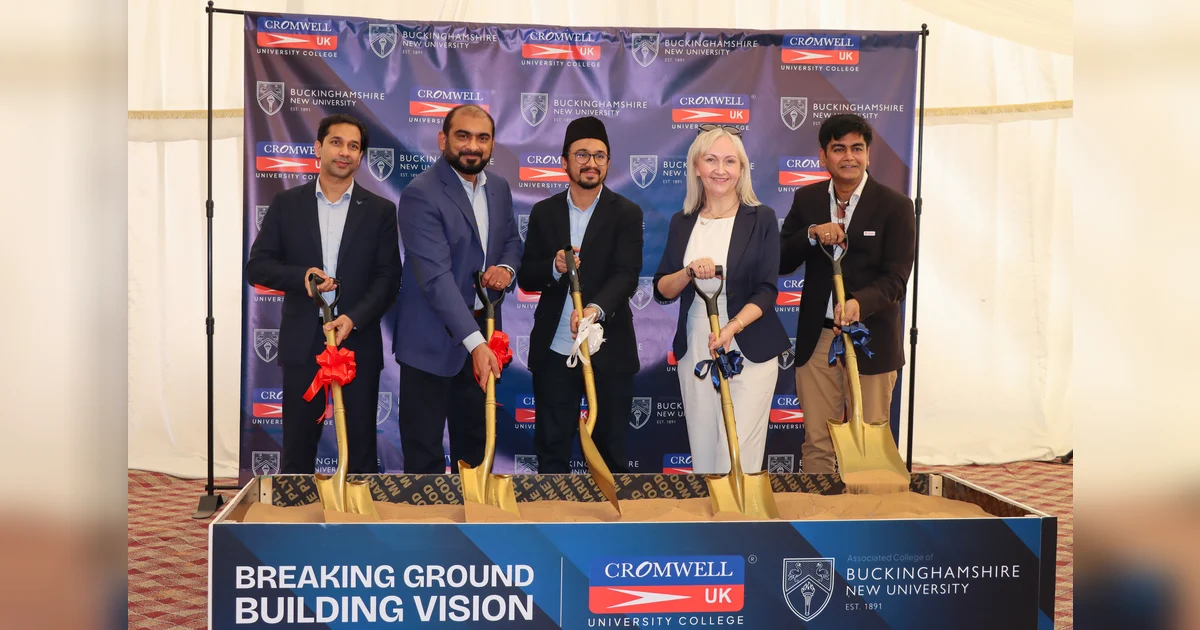
    UMM AL QUWAIN – In a significant development for higher education in the region, Cromwell UK University College has officially commenced construction of Buckinghamshire New University’s (BNU) campus within the Umm Al Quwain Free Trade Zone (UAQFTZ). The groundbreaking ceremony, held on December 3, 2025, represents a pivotal moment in bringing British higher education directly to the Northern Emirates.

    The ceremony was presided over by key figures including Professor Sarah Williams, Pro Vice-Chancellor of Buckinghamshire New University, and Nisar Muhammed, CEO of Cromwell UK University College, which serves as the academic infrastructure provider for BNU. Senior management from UAQ Free Trade Zone, including General Manager Johnson George, attended the event, underscoring the strategic importance of this partnership.

    Professor Williams emphasized the longstanding academic relationship between the institutions, characterizing the UAE campus development as “an exciting and accelerated phase of our academic partnership.” She noted that Cromwell has consistently proven to be “a long-standing and reputable partner of BNU” in previous collaborations.

    The new campus will function as an extension of the UK-based university, with Cromwell ensuring identical academic standards, curriculum structure, and quality benchmarks are maintained. This academic alignment guarantees that UAE students will receive education equivalent to that offered at BNU’s UK campuses.

    Johnson George articulated UAQFTZ’s strategic vision, stating: “This partnership exemplifies our commitment to developing a dynamic ecosystem that offers world-class opportunities for the community. It reflects our competitive strength: the ability to facilitate all requirements with unmatched speed and seamless efficiency, turning business vision into reality.”

    Nisar Muhammed described the project as transcending physical infrastructure, calling it “the beginning of a shared vision to build a better future through quality education.” He emphasized the critical role of structured guidance and mentorship in ensuring student success within the new academic environment.

    Upon completion, the campus will provide students across the Northern Emirates access to internationally recognized UK degrees without requiring overseas travel, significantly expanding local access to globally benchmarked higher education and supporting the region’s development as an education hub.

  • Chinese universities set to launch embodied intelligence majors to fill talent gap

    Chinese universities set to launch embodied intelligence majors to fill talent gap

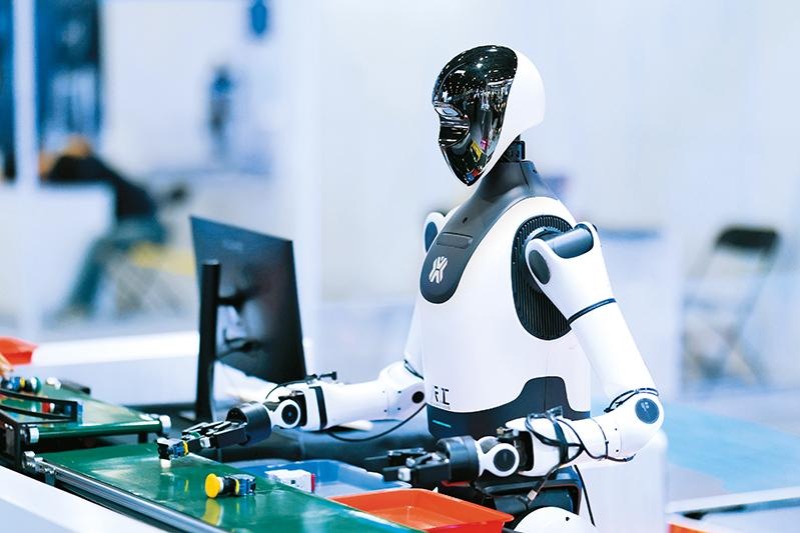
    In a strategic response to mounting industry demands, China’s leading academic institutions are pioneering undergraduate programs in embodied intelligence—a cutting-edge field centered on intelligent systems with physical presence, exemplified by humanoid robotics.

    Prestigious universities including Shanghai Jiao Tong University, Beihang University, and Zhejiang University are establishing dedicated curricula to cultivate expertise in this emerging discipline. The Shanghai Jiao Tong University initiative, spearheaded by Professor Lu Cewu—co-founder of embodied intelligence firm Noematrix—exemplifies the industry-academia integration central to these programs. The university aims to create collaborative platforms with leading companies and develop industry-linked practicum centers.

    Employment prospects form a cornerstone of these programs. Beijing Institute of Technology’s embodied intelligence major plans to enroll 120 undergraduates, with approximately 58% expected to pursue advanced education and 42% transitioning directly to employment sectors including state-owned aerospace corporations, automotive manufacturers, and tech giants Huawei and Tencent.

    This educational shift responds to substantial market growth projections. According to the Development Research Center of the State Council, China’s embodied intelligence industry is forecast to reach 400 billion yuan ($56.5 billion) by 2030, exceeding 1 trillion yuan by 2035. Current industry compensation reflects this demand, with embodied intelligence professionals commanding average annual salaries of 333,400 yuan—surpassing other AI sectors by approximately 14%.

    The talent deficit is particularly acute, with Beijing Institute of Technology estimating a industry shortfall of approximately one million qualified professionals. Current educational offerings remain fragmented across traditional disciplines, with insufficient practical engineering training and outdated laboratory facilities.

    Government prioritization has accelerated program development, with embodied intelligence designated a key future industry in China’s recent policy directives. The field joins quantum technology, biomanufacturing, and 6G communications as identified economic growth engines for the coming five-year period.

    Global investment trends underscore the field’s prominence: humanoid robotics attracted over 32.8 billion yuan in financing through September 2025, with Chinese markets accounting for more than 80% of worldwide funding activities.

  • Inside Dubai nurseries where kids are turning into confident, curious learners

    Inside Dubai nurseries where kids are turning into confident, curious learners

    Dubai’s nurseries are undergoing a transformative educational shift through the implementation of a groundbreaking Quality Framework for Early Childhood Care and Education. Spearheaded by the Knowledge and Human Development Authority (KHDA), this initiative centers on developing the “Dubai Child” concept—a vision for young learners who embody capability, curiosity, and strong cultural connections.

    The comprehensive framework establishes five foundational pillars: learning and curriculum development; family and community partnerships; optimized learning environments; health, safeguarding and wellbeing prioritization; and enhanced system leadership. This structured approach provides educators with clear guidelines while offering parents greater confidence in their children’s early development.

    Leading nursery operators have embraced the framework with innovative adaptations. Lama Bechara-Jakins, CEO Middle East at Babilou Family, explains their implementation of the Sustainable Education Approach across all teaching and care practices. “Our six pillars—Emotional and Physical Security, Natural Curiosity, Nature-based Learning, Child Rhythms, Inclusion, and Partnering with Families—form the foundation of daily routines,” she notes.

    Classroom environments have been deliberately designed using a ‘less is more’ philosophy, creating calm, uncluttered spaces that reduce overstimulation and enhance focus. Natural elements and sensory-rich outdoor experiences help children feel grounded and connected to their environment.

    IdeaCrate Edutainment CEO Shifa Yusuff Ali emphasizes the framework’s alignment with child-centered learning principles. “We’ve strengthened staff upskilling in Montessori-inspired practices, child wellbeing, and safeguarding protocols,” she states. Their classrooms and outdoor areas are intentionally designed to feel calm and warm while providing rich sensory opportunities.

    The British Orchard Nursery and Teacher Training Centre has responded with enhanced planning and observation systems. Dr. Vandana Gandhi, CEO and Founder, describes their project-based, child-led learning approach where educators build on children’s interests to create purposeful experiences. “We’re expanding Arabic exposure through natural, joyful activities like stories and songs,” she adds.

    Inclusion practices receive particular emphasis across all institutions, with specialized initiatives like BONSAI (British Orchard Nursery’s Speciality for Accessibility and Inclusion) ensuring every child receives appropriate support. The framework promotes early identification systems and close family communication to create truly welcoming environments for all learners.

    This educational transformation represents Dubai’s commitment to developing future generations who are not only academically prepared but emotionally resilient, culturally connected, and naturally curious about the world around them.

  • Canadian University Dubai: A downtown engine for innovation, creativity and knowledge exchange

    Canadian University Dubai: A downtown engine for innovation, creativity and knowledge exchange

    Canadian University Dubai (CUD) has solidified its position as a premier innovation hub in the heart of Dubai’s urban landscape, demonstrating remarkable achievements across entrepreneurial ventures, sustainable design, and global partnerships. The institution’s business incubator has yielded its first groundbreaking venture: TrustPaper, a blockchain-powered enterprise developed with ZipTrust technology that revolutionizes document verification through secure, instantaneous processing.

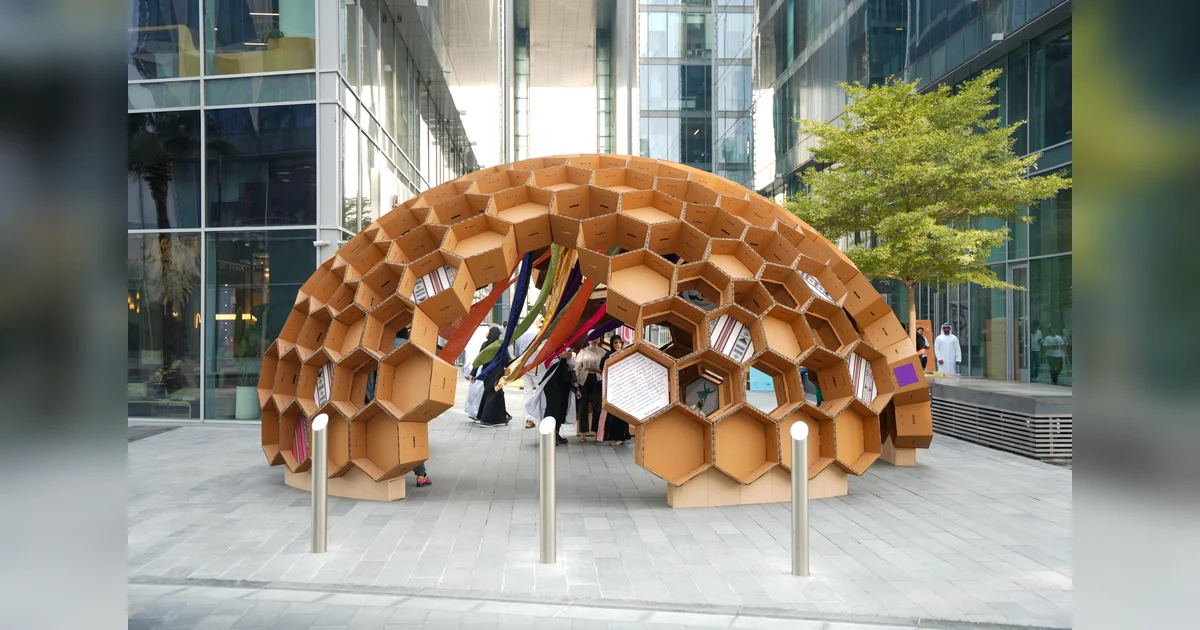
    The university’s architecture students have partnered with UAE lifestyle giant Majid Al Futtaim to pioneer climate-responsive urban design solutions, setting new benchmarks for sustainable living through an innovative competition. Additionally, design students collaborated with Dubai Holding and ImInclusive to create an installation for Dubai Design Week 2025, symbolizing shared visions of inclusion and creativity through experiential learning.

    CUD’s student and alumni network continues to achieve extraordinary recognition. Accounting and Finance student Rashed Mohammed Atiq Almehairi recently claimed victory at the FEI Endurance World Championships in Romania, while graduate Mohammed Al Hakim became the first GCC national appointed as President of UAE Operations at Crypto.com. Public Health alumna Nadine Audi, founder of sustainable femtech brand Diva’Me, earned recognition in Forbes’ 30 Under 30 after securing $1 million in seed funding.

    Strategic knowledge partnerships form a cornerstone of CUD’s mission, with active participation in the Knowledge Summit dedicated to sustainable development and the Forbes Middle East Health Leaders Summit. The university recently hosted the Brand Me Summit 2025, the world’s largest personal branding summit, which featured a startup competition awarding AED 3000 in funding to student ventures.

    A landmark collaboration with FINTECH.TV, broadcasting from the New York Stock Exchange, positions CUD as a cross-continental media innovation hub. This partnership creates unprecedented opportunities for students through exclusive internships and professional placements in storytelling, content creation, and fintech sectors. The university now serves as both an educational institution and global representative of Dubai’s innovation ecosystem, with admissions open for Spring 2026.

  • Tsinghua unveils framework for AI use in education

    Tsinghua unveils framework for AI use in education

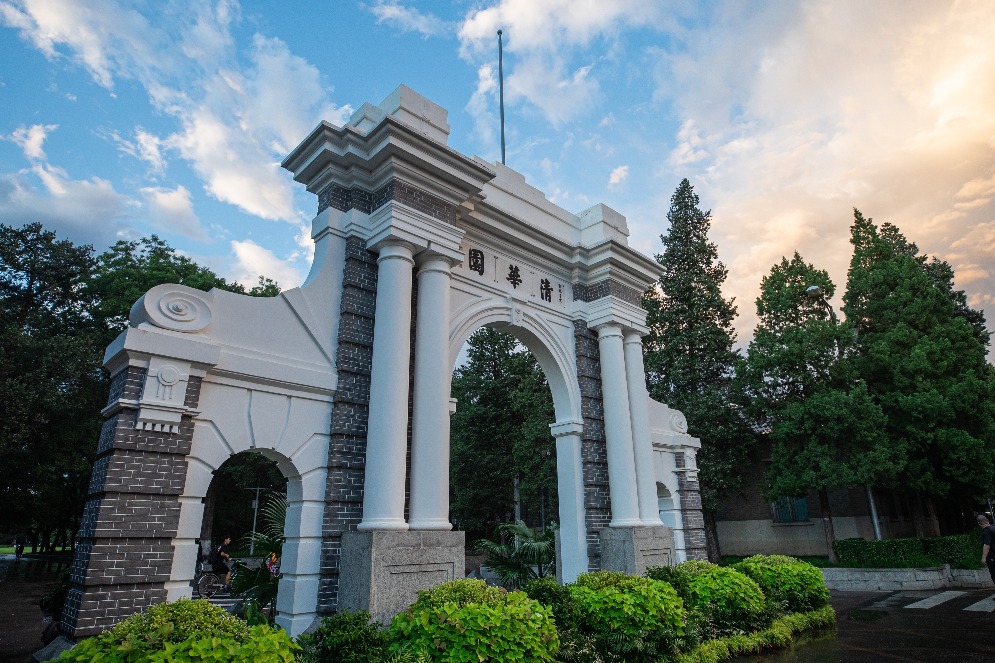
    Tsinghua University has launched a pioneering framework to regulate the use of artificial intelligence (AI) in education, setting clear boundaries to prevent misuse while fostering innovation. The guidelines, developed after extensive research and consultation, emphasize that AI should serve as a supplementary tool rather than a replacement for human intellectual effort. Graduate students are explicitly warned against using AI for ghostwriting, plagiarism, or fabrication, with supervisors tasked to ensure academic integrity and originality. The framework mandates transparent disclosure of AI use and prohibits the incorporation of sensitive or unauthorized data in AI models. It also highlights the importance of critical thinking and multisource verification to counteract overreliance on AI. Instructors are encouraged to integrate AI into teaching materials responsibly, guiding students to develop essential competencies. The guidelines support AI integration in over 390 courses across 10 disciplines, including AI learning companions and teaching assistants. Wang Shuaiguo, director of Tsinghua’s online education center, described the framework as a ‘living system’ designed to evolve alongside technological advancements. The initiative aims to balance innovation with ethical considerations, establishing ‘red lines’ for misconduct while promoting ‘green lights’ for responsible experimentation. ‘We hope this will not become a document that restricts innovation,’ Wang stated. ‘It should be a living system — one that continues to grow as the technology evolves.’

  • Two outstanding students named 2025 UAE Rhodes Scholars, set to study at Oxford

    Two outstanding students named 2025 UAE Rhodes Scholars, set to study at Oxford

    Two exceptional Emirati students, Amal Musa Ali Alrebh and Fatima Mohammed Abdulla AlNuaimi, have been awarded the prestigious 2025 UAE Rhodes Scholarship, securing their places for postgraduate studies at the University of Oxford in October 2026. The scholars, aged 22 and 24 respectively, were chosen from a highly competitive pool for their intellect, leadership potential, moral character, and dedication to service. Their selection aligns closely with the UAE’s National Youth Agenda 2031 and its vision for nurturing the next generation of homegrown changemakers.

    Amal Alrebh, a biomedical engineering student at Khalifa University, aims to pursue a master’s in healthcare improvement and evaluation, followed by a master’s in medical physics at Oxford. Her goal is to develop culturally grounded, sustainable healthcare solutions for the UAE. Fatima AlNuaimi, currently studying English and Comparative Literature at Columbia University, will pursue a Master of Studies in World Literature at Oxford. She is committed to elevating Gulf literature and integrating marginalised regional narratives into global academic and creative spaces.

    The UAE Rhodes Scholarship, established in 2013 and endowed by the Salama bint Hamdan Al Nahyan Foundation, has supported 26 scholars to date. The programme plays a strategic role in advancing the UAE Centennial 2071 plan, which emphasizes education, innovation, and leadership development. Previous Emirati Rhodes Scholars now hold senior positions in government and various sectors, demonstrating the programme’s impact on national progress.

    Omar Saif Ghobash, Advisor to the UAE Minister of Foreign Affairs and Chair of the Selection Committee, praised the scholars, stating, ‘Rhodes Scholars embody the UAE’s enduring belief in education as a catalyst for growth on individual, national, and global levels.’ Angela Migally, Executive Director of the Salama bint Hamdan Al Nahyan Foundation, highlighted the transformative power of the scholarship, emphasizing its role in creating environments where young people can learn, grow, and lead with integrity.

  • International conference explores new paradigms for English teaching

    International conference explores new paradigms for English teaching

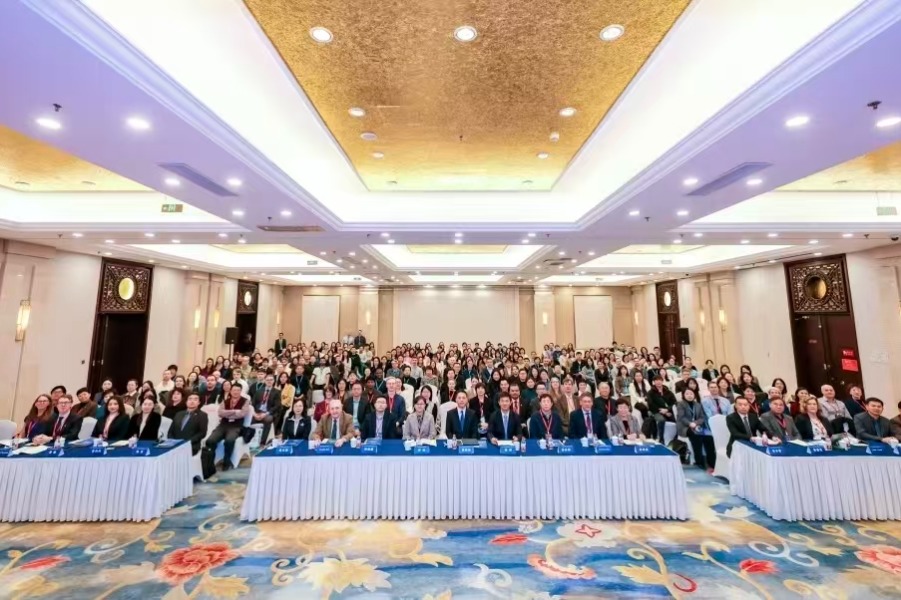
    The ‘2025 International Academic Conference on English Teaching and Research in Sino-Foreign Cooperative Education’ took place from November 21 to 23 at Beijing University of Technology (BJUT). Co-organized by BJUT and University College Dublin (UCD), and hosted by the Beijing-Dublin International College (BDIC), the event brought together nearly 280 experts and scholars from 13 countries, representing 106 universities and educational institutions. The conference aimed to explore innovative approaches to English teaching within the framework of Sino-Foreign cooperative education, fostering the development of international talent for the modern era. Key speakers included Wei Xubin, a member of the Beijing Municipal Education Working Committee and Deputy Director-General of the Beijing Municipal Education Commission; An Yan, Deputy Secretary-General of the China Education Association for International Exchange; Zhang Hui, Deputy Secretary of the BJUT Party Committee; Professor Paul Fanning, Dean of the UCD International College in China and Provost of the Beijing-Dublin International College; and Yang Jie, Head of Education in Ireland (China). The opening ceremony was moderated by the head of the University’s Academic Affairs Office, setting the stage for a series of discussions on advancing English language education in a globalized context.

  • China, Russia universities unveil joint institute in Chongqing

    China, Russia universities unveil joint institute in Chongqing

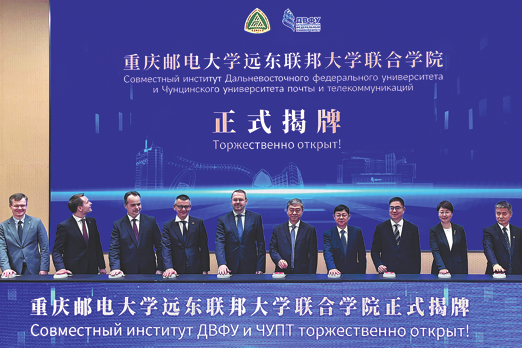
    In a landmark move for international educational collaboration, Chongqing University of Posts and Telecommunications (CQUPT) and Russia’s Far Eastern Federal University (FEFU) have inaugurated a joint institute in Chongqing, China. The Joint Institute of Far Eastern Federal University and Chongqing University of Posts and Telecommunications, unveiled on November 4, marks the first and only Sino-Russian cooperative educational institution in engineering within China’s central and western regions and Russia’s Far East. The institute will focus on information and communications, offering undergraduate and postgraduate programs in cutting-edge fields such as computer science, digital media technology, internet of things (IoT) engineering, and control science and engineering. Wang Yang, dean of the institute, emphasized its mission to cultivate interdisciplinary talents with international perspectives and practical skills, integrating resources from both universities and involving enterprises from China and Russia. The partnership, rooted in a 2023 memorandum of understanding signed during the APEC international educational subforum, has already enrolled its first cohort of 100 students in IoT engineering. Plans are underway to expand enrollment to 1,650 students over the next four years. Graduates will receive dual degrees, with preferential placement in sectors like information and communications, international business development, and technological cooperation. Boris Korobets, president of FEFU, highlighted the institute’s role in transforming the intellectual capital of both nations into a driving force for global technological leadership. The initiative reflects the deepening educational ties between China and Russia, with over 56,000 Chinese students studying in Russia and 21,000 Russian students in China. The joint institute stands as a testament to the China-Russia comprehensive strategic partnership, setting a new standard for international cooperation in higher education.

  • UAE: Indian schools to follow unified academic calendar starting April 2026

    UAE: Indian schools to follow unified academic calendar starting April 2026

    Indian curriculum schools in the UAE will transition to the Ministry of Education’s (MOE) unified academic calendar starting April 2026, marking a significant shift from their traditional April–March cycle. The change, however, was not implemented this year as schools had already commenced their academic sessions. Principals emphasized the need for a structured transition to ensure minimal disruption to academic rigor and compliance requirements. Seema Umar, principal of Dewvale School in Dubai, highlighted that the school has planned the current academic year to conclude as scheduled, with preparations underway for a seamless shift in 2026–27. This includes adjusting curriculum pacing, assessment timelines, and operational routines. Umar stressed the importance of clear communication with families, offering orientation sessions, parent notes, and student wellbeing measures to ease the transition. Anita Singh, principal of Global Indian International School (GIIS) Dubai, outlined a three-pronged approach to protect students’ academic experience, ensuring routines are adjusted only where necessary. Internal exams will be rescheduled to maintain board readiness, with mock exams and revision plans adapted accordingly. Nargish Khambatta, principal of GEMS Modern Academy, confirmed that the unified calendar will not affect Indian curriculum schools until April 2026, allowing them to continue their established practices, including the December term for board-exam preparation and winter break activities. The phased implementation aims to keep all stakeholders informed and supported throughout the transition.

  • University launches new AI department to align with national priorities

    University launches new AI department to align with national priorities

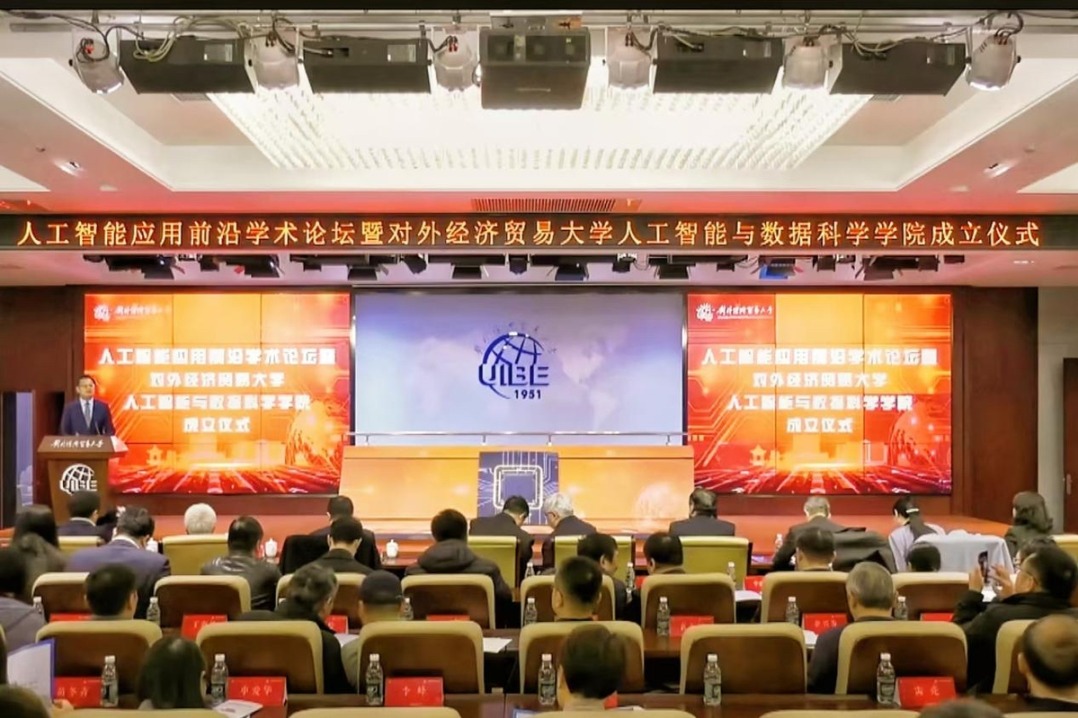
    In a strategic move to align with China’s national priorities in the digital era, the University of International Business and Economics (UIBE) officially launched its School of Artificial Intelligence and Data Science on November 21, 2025. This new institution represents a significant upgrade from the university’s long-standing School of Information Technology and Management, reflecting the rapid evolution of technology and the growing demand for interdisciplinary expertise. UIBE President Zhao Zhongxiu described the establishment as a ‘strategic realignment’ aimed at fostering innovation and addressing the challenges posed by the digital transformation. The school will operate on a dual engine of ‘AI + data science,’ integrating UIBE’s strengths in economics, management, law, and the humanities to create a unique ‘AI + social sciences’ innovation platform. The school’s mission includes cultivating globally minded, innovation-driven talent, advancing research in AI governance, computational economics, and intelligent management, and enhancing collaboration with leading universities, enterprises, and government agencies. These initiatives are expected to bolster the university’s contribution to national objectives in education, science, and talent development, ensuring that China remains at the forefront of technological advancement.