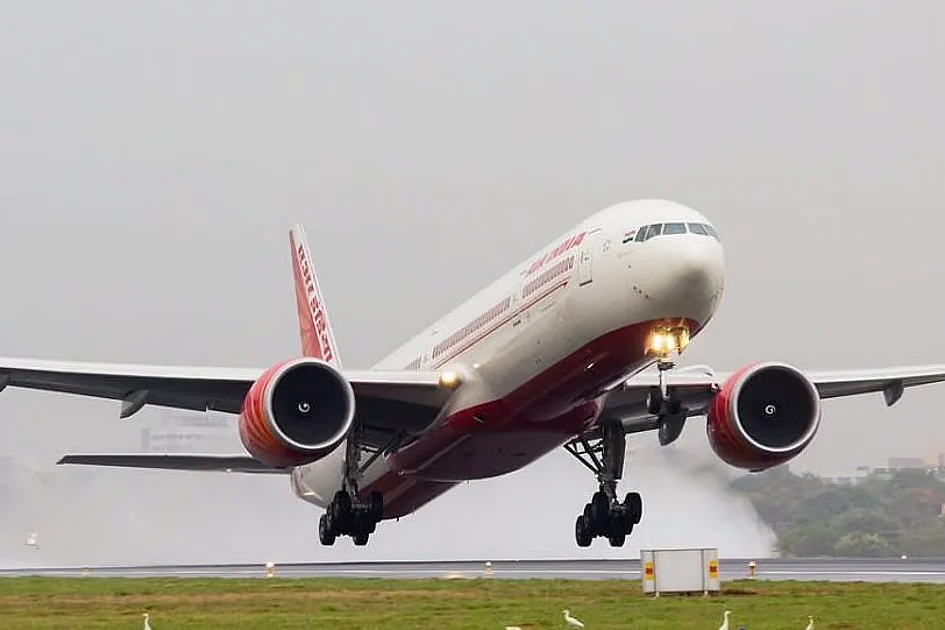
An Emirates Boeing 777 aircraft operating as Flight EK035 from Dubai to Newcastle was compelled to declare a mid-air emergency on January 27, ultimately diverting to Edinburgh Airport due to severe weather conditions associated with Storm Chandra. The aircraft encountered extreme crosswinds reaching 60 mph, heavy precipitation, and dense mist during its approach to Northern England, creating hazardous landing conditions.
According to flight tracking data from Flightradar24, the wide-body jet performed multiple circles above Newcastle and Sunderland before the flight crew activated the internationally recognized emergency transponder code 7700 – signaling a general emergency situation to air traffic control. The aircraft executed two aborted landing attempts at Newcastle International Airport before being rerouted to the Scottish capital.
Emirates confirmed the incident in an official statement: “Adverse weather on January 27 led to the diversion of Flight EK035 from Dubai to Newcastle, which was rerouted to Edinburgh.” The airline emphasized that “the safety of our passengers and crew is of utmost importance and will not be compromised” while apologizing for any inconvenience caused by the diversion.
The flight had departed Dubai International Airport at 13:53 local time and successfully landed at Edinburgh Airport instead of its originally scheduled 11:20 am arrival in Newcastle. The squawking of code 7700 automatically alerted ground emergency services to prepare for potential incident response, though the aircraft ultimately landed without further incident.
This emergency protocol represents a critical safety feature in modern aviation, enabling immediate communication of distress situations to air traffic control networks and ensuring priority handling for aircraft experiencing difficulties.