作者: admin

  • Pakistan: Death toll in Karachi mall fire climbs to around 50, official says

    Pakistan: Death toll in Karachi mall fire climbs to around 50, official says

    A devastating fire that engulfed a prominent shopping complex in Karachi has claimed approximately 50 lives, with recovery teams extracting 20-25 additional bodies from the debris on Wednesday. The blaze at Gul Plaza, which erupted late Saturday, represents the port city’s most severe fire incident in over a decade.

    The multi-story commercial establishment, renowned for housing approximately 1,200 family-operated retailers specializing in wedding attire, household goods, and toys, was rapidly consumed by flames that spread through the sprawling complex. Firefighting crews battled the inferno for three days before bringing it under control, leaving the structure completely reduced to ash and rubble.

    Deputy Commissioner Javed Nabi Khoso confirmed the recovery of remains, noting the extreme difficulty in identification due to the severity of the damage. All recovered remains have been transferred to medical facilities for DNA analysis and formal identification procedures.

    The official casualty count continues to evolve as state-operated rescue services report 84 individuals formally registered as missing. Law enforcement authorities indicate most missing persons are feared deceased, suggesting the final death toll may increase substantially. One shopkeeper described approximately 18-20 individuals present in his establishment alone when the fire broke out, all of whom remain unaccounted for.

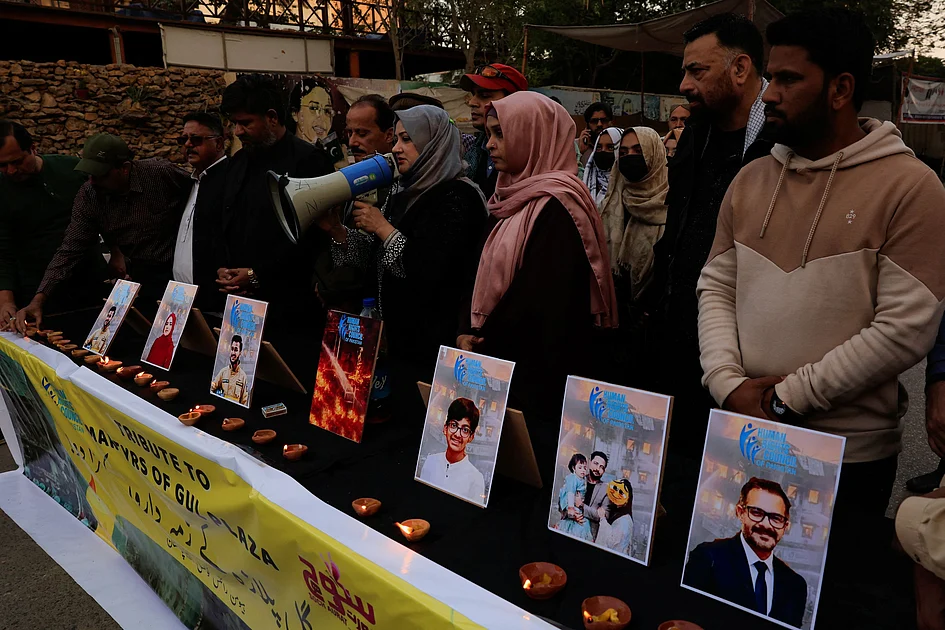
    The tragedy has drawn public mourning, with local residents gathering near the disaster site for candlelight vigils displaying photographs of presumed victims. This incident marks Karachi’s deadliest structural fire since the 2012 industrial inferno that claimed over 260 lives, raising renewed concerns about urban safety protocols and emergency response capabilities in Pakistan’s largest metropolitan center.
  • Interpol-backed police make nearly 200 arrests in Amazon region gold mining sweep

    Interpol-backed police make nearly 200 arrests in Amazon region gold mining sweep

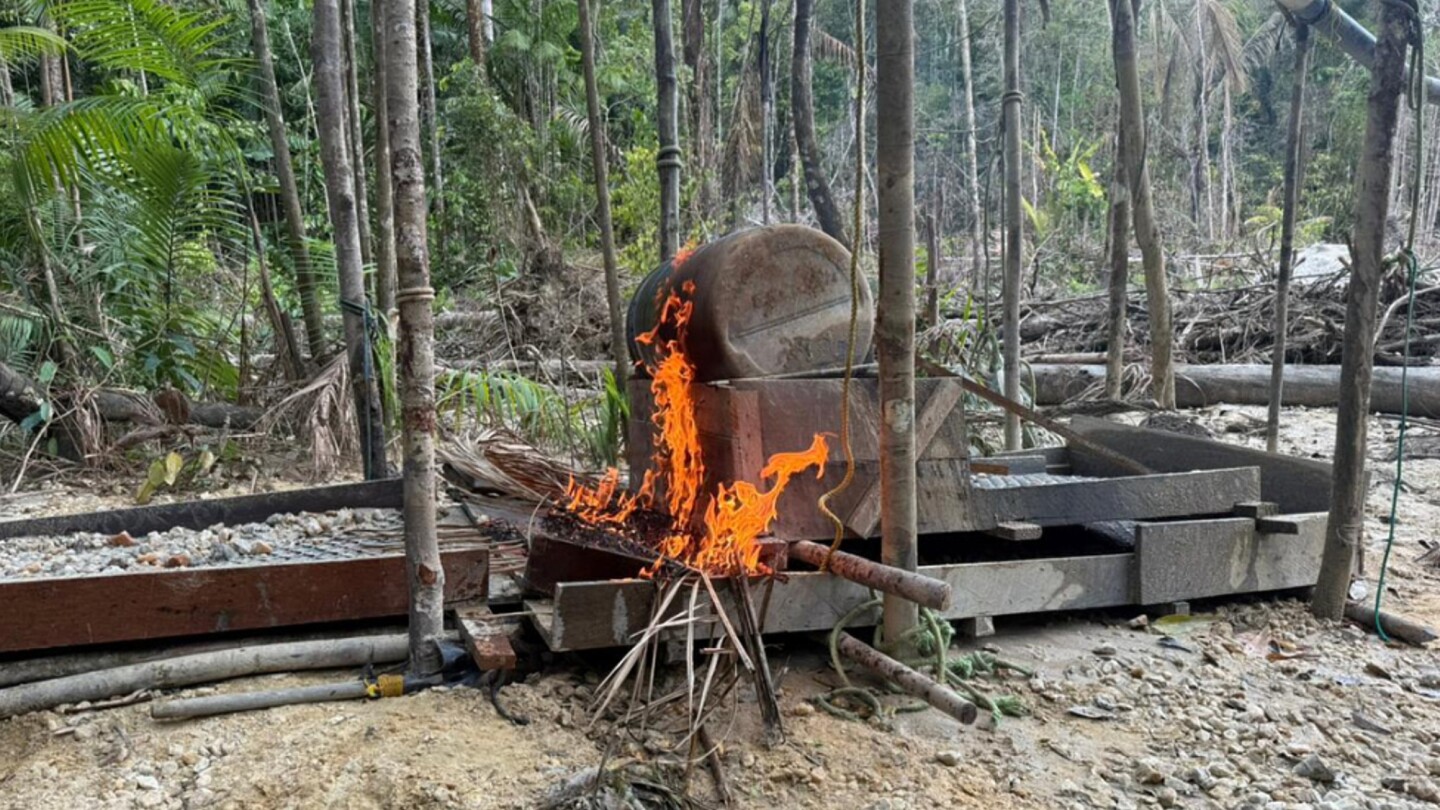
    In a landmark cross-border operation, law enforcement agencies from Brazil, French Guiana, Guyana, and Suriname have apprehended nearly 200 individuals in a coordinated assault on illegal gold mining operations devastating the Amazon rainforest. The December initiative, backed by Interpol, European Union authorities, and Dutch environmental crime specialists, represents the first joint multinational effort targeting the environmentally destructive trade.

    Operation Guyana Shield involved extensive surveillance across remote border regions, with authorities conducting over 24,500 inspections of vehicles and individuals. The operation yielded significant seizures including substantial amounts of unprocessed gold, mercury containers valued at over $60,000, firearms, narcotics, mining apparatus, and considerable cash reserves. Notably, three suspects were detained in Guyana on charges of gold smuggling and money laundering after investigators confiscated approximately $590,000 in cash and raw gold materials, believed to be connected to a major gold exporting enterprise.

    The environmental consequences of illegal gold mining have reached critical levels, driving extensive deforestation and polluting vital waterways with toxic mercury. This destructive practice has expanded rapidly alongside soaring global gold prices, transforming gold into one of the most lucrative commodities for transnational organized crime networks. The operation revealed sophisticated smuggling methods, including mercury concealed within solar panels transported via commercial buses.

    Beyond environmental damage, authorities uncovered disturbing human rights violations, including undocumented migrants and minors potentially subjected to forced labor and sexual exploitation within mining networks. Additional seizures included counterfeit medications, alcohol, cigarettes valued at over $40,000, along with specialized mining equipment.

    Interpol Secretary General Valdecy Urquiza emphasized the growing threat posed by illegal mining operations, particularly in vulnerable remote regions. The operation marks a significant advancement in regional cooperation, addressing challenges posed by dense rainforest terrain and porous borders that have historically hampered enforcement efforts against environmentally destructive criminal enterprises.

  • After presidential election, Ugandan police detain a key ally of opposition figure Bobi Wine

    After presidential election, Ugandan police detain a key ally of opposition figure Bobi Wine

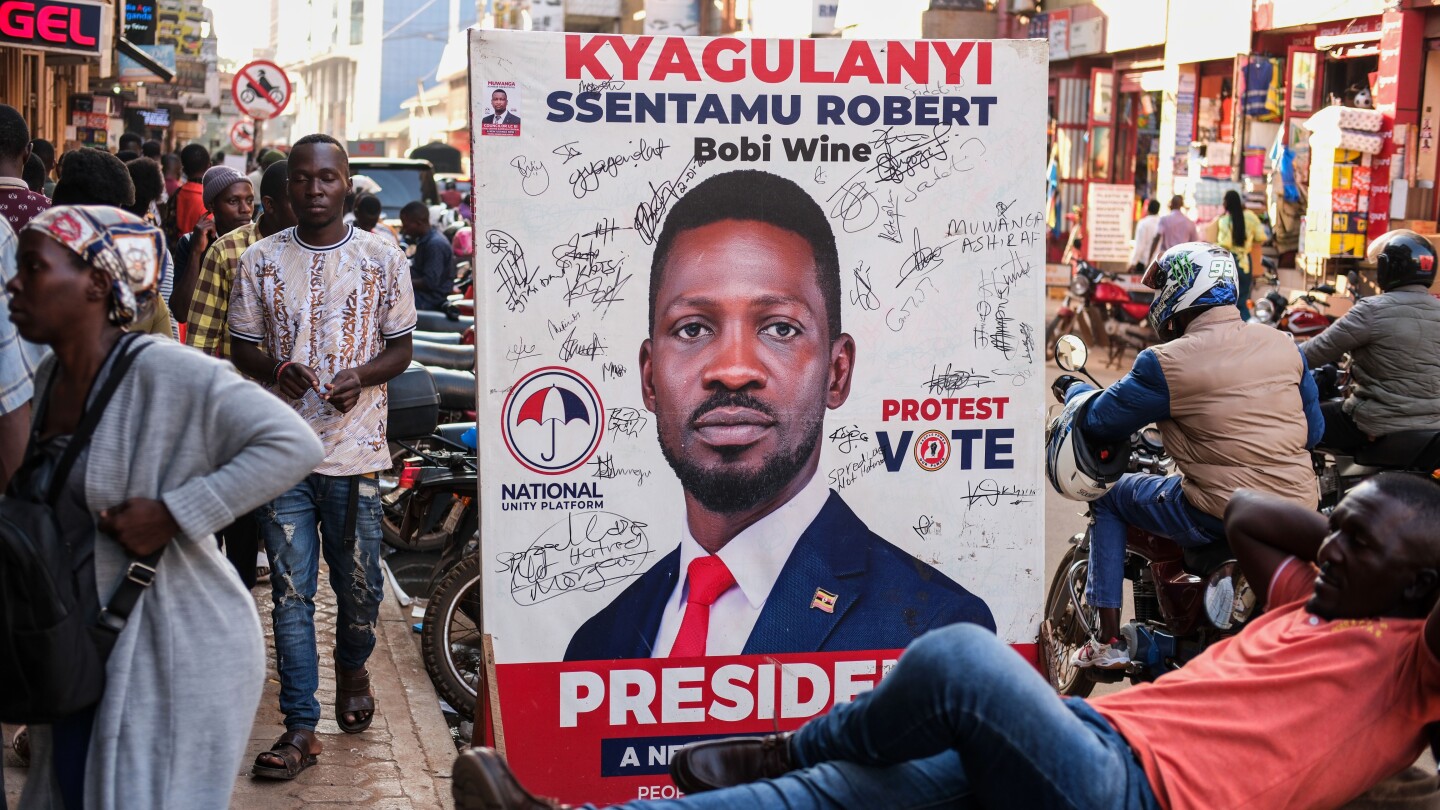
    Ugandan authorities have escalated their crackdown on opposition forces following last week’s contentious presidential election, detaining a senior ally of opposition leader Bobi Wine amid allegations of electoral violence. Muwanga Kivumbi, deputy president of Wine’s National Unity Platform party and a sitting lawmaker, was taken into custody Thursday for his purported involvement in deadly clashes within his Butambala constituency that resulted in seven fatalities.

    The detained parliamentarian, who recently lost his parliamentary seat, stands accused of instigating violence that prompted security forces to open fire on his residence. Kivumbi emotionally addressed the tragedy during victim funerals, maintaining that those killed were innocent casualties of state-sponsored aggression rather than perpetrators.

    President Yoweri Museveni, extending his 35-year rule with a declared 71.6% victory that opposition forces decry as fraudulent, has taken a confrontational stance against dissent. In a nationally televised address, the 81-year-old leader alleged opposition elements attempted to disrupt voting processes, claiming victims in Butambala had assaulted police officers with machetes. Museveni specifically urged religious leaders to intervene with youth he described as vulnerable to political manipulation.

    Despite police spokesman Kituuma Rusoke’s assurance that Bobi Wine (legally named Kyagulanyi Ssentamu) faces no current accusations and remains under state protection, the opposition leader reports being in hiding due to safety concerns. The electoral process itself faced widespread criticism following a multi-day internet blackout and technical failures in biometric voting systems that disproportionately affected opposition strongholds including the capital Kampala.

    International observers note this election continues Uganda’s six-decade absence of peaceful presidential transitions since independence. Museveni’s forthcoming seventh term will extend his leadership toward a half-century, cementing his dominance over a political landscape where no clear successors have emerged within his National Resistance Movement party.

  • Bangladesh launches campaigns for first post-Hasina polls

    Bangladesh launches campaigns for first post-Hasina polls

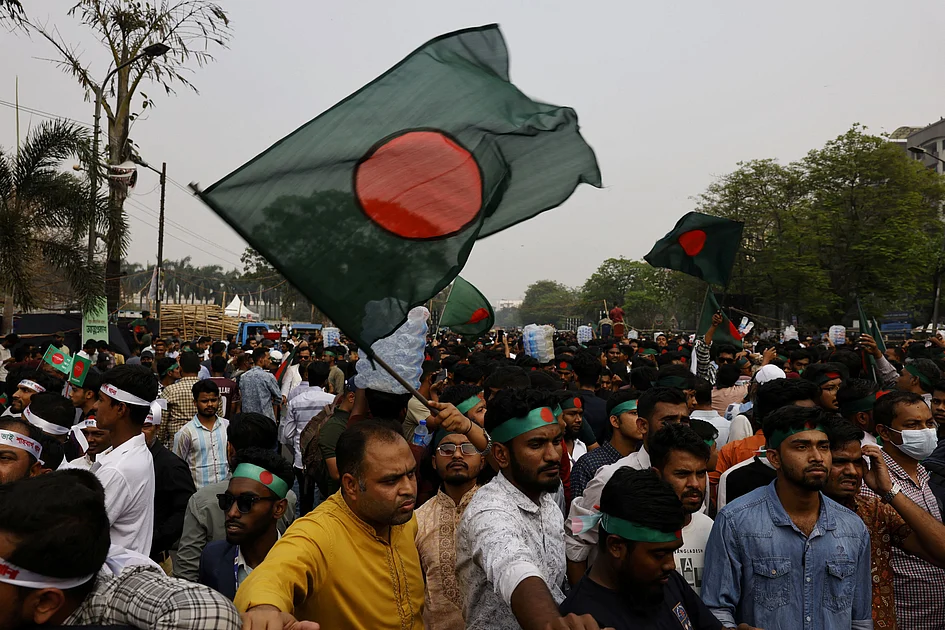
    Bangladesh has formally commenced campaign activities for its landmark February 12 parliamentary elections, marking the nation’s first electoral process since the 2024 uprising that ended Sheikh Hasina’s prolonged authoritarian rule. The South Asian nation of 170 million people stands at a critical juncture, with these elections poised to reshape both domestic governance and regional power dynamics following extended political instability.

    The electoral atmosphere remains charged with both anticipation and apprehension. Recent security concerns include the murder of a student leader involved in the anti-Hasina protests last month, while authorities have issued warnings about coordinated disinformation campaigns targeting the electoral process. European Union observers have designated these elections as the “most significant democratic exercise of 2026.”

    Political mobilization has reached unprecedented scales, with mass rallies expected to draw hundreds of thousands of supporters. The Bangladesh Nationalist Party (BNP), under the leadership of Tarique Rahman, has initiated its campaign from the northeastern city of Sylhet. Rahman, who returned from 17 years of exile in December, assumed party leadership following the death of his mother, former Prime Minister Khaleda Zia.

    The campaign traditionally begins in Sylhet, home to the centuries-old Sufi shrine of Shah Jalal, despite Jamaat-e-Islami’s ideological opposition to Sufi interpretations of Islam. This Islamist party instead launched its campaign from Dhaka, led by Shafiqur Rahman. The National Citizen Party (NCP), formed by student leaders of the uprising and now allied with Jamaat-e-Islami, similarly commenced its activities in the capital.

    Overseeing the transition is Muhammad Yunus, the 85-year-old Nobel Peace Prize laureate who returned from exile in August 2024 to lead a caretaker government as “chief adviser.” Yunus describes inheriting a “completely broken” political system and has championed constitutional reforms aimed at preventing a return to authoritarianism. A referendum on these reforms will occur concurrently with the elections, proposing strengthened checks and balances among government branches.

    Yunus has expressed particular concern about the impact of disinformation on the electoral process, noting that social media platforms face coordinated attacks spreading false information from both foreign and domestic sources. Meanwhile, regional relations have shifted significantly, with neighboring India providing refuge to the deposed Sheikh Hasina, who received a death sentence in absentia for crimes against humanity during her crackdown on protesters.

  • Panelists: China, US lean toward practical management of risks

    Panelists: China, US lean toward practical management of risks

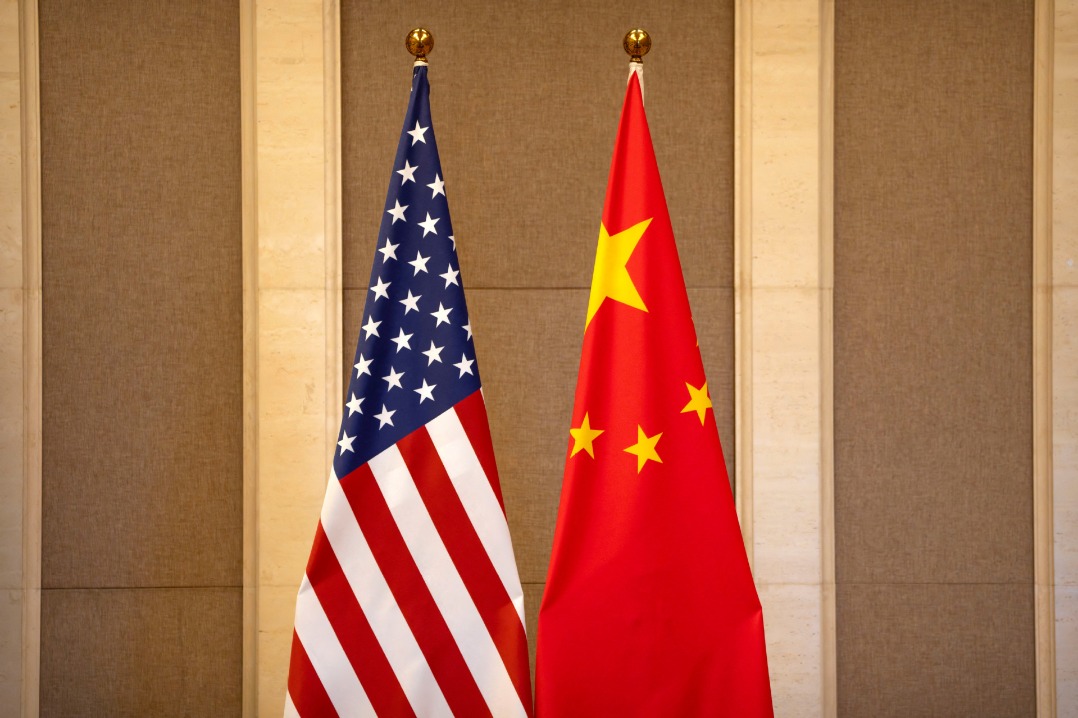
    At the World Economic Forum in Davos, foreign policy experts articulated a significant evolution in US-China relations, noting both nations are transitioning toward pragmatic risk management frameworks despite persistent strategic competition. The panel discussion “US and China: Where Will They Land?” featured prominent analysts who emphasized that bilateral relations in 2026 will be characterized by mutual deterrence and stabilized through enhanced communication channels rather than seeking permanent resolution to fundamental disagreements.

    Harvard Professor Graham Allison, renowned for his work on the “Thucydides Trap,” cautioned against interpreting temporary easing of tensions as permanent settlement. “A landing point, as if we had a permanent place to land, is not likely,” Allison stated, noting that mutual deterrence—where both nations recognize their capacity to inflict significant harm on each other—creates a stabilizing effect on the relationship.

    Allison emphasized the critical importance of establishing multi-level technical communication networks between the two powers, citing the Sullivan-Wang diplomatic channel as a model for preventing misunderstandings from escalating into crises. He also observed that Washington increasingly acknowledges China as a “full-scale economic peer,” representing a more realistic assessment of bilateral dynamics.

    Former Australian Prime Minister Kevin Rudd, now serving as Ambassador to the United States, framed the central challenge as developing practical mechanisms for “managed strategic competition” rather than seeking definitive endpoints. Rudd identified three critical arenas—tariffs, technology, and Taiwan—that will determine the trajectory of US-China relations and their impact on global stability.

    University of Southern California law professor Angela Zhang Huyue expressed measured optimism, citing three factors contributing to potential stability: Washington’s recognition that containment strategies have accelerated rather than hindered China’s technological advancement, clearer understanding of mutual vulnerabilities following economic tensions, and both nations’ shared interest in avoiding instability.

    US Senator Christopher Coons noted bipartisan support for “clear-eyed engagement” with China while highlighting artificial intelligence as the most pressing bilateral issue. He cautioned that military communication channels remain insufficient to prevent accidental escalation.

    Chinese scholar Zhao Hai of the Chinese Academy of Social Sciences challenged the “tech war” narrative, advocating instead for cooperative AI regulation frameworks. “AI is not a zero-sum contest but a shared challenge,” Zhao asserted, warning that technological advances could threaten humanity’s collective security without bilateral governance mechanisms.

  • Why do China’s cultural and creative products go viral?

    Why do China’s cultural and creative products go viral?

    China’s cultural and creative industries are experiencing unprecedented global recognition, with products ranging from traditional art reinterpretations to digital innovations capturing international attention. This phenomenon stems from a strategic national initiative embedded within China’s 15th Five-Year Plan (2026-30), which prioritizes creative innovation as a cornerstone of cultural development.

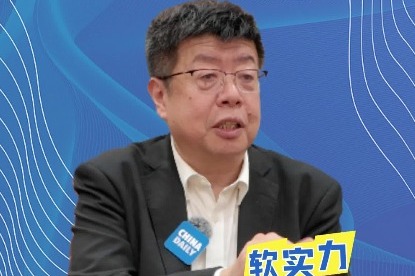
    Professor Zhang Yiwu, a distinguished scholar of Chinese language and literature at Peking University, provides expert analysis of this cultural movement. He identifies the crucial balance between heritage preservation and contemporary reinterpretation as the driving force behind the appeal. According to Professor Zhang, successful cultural products maintain recognizable elements of traditional Chinese culture while incorporating fresh perspectives that resonate with modern sensibilities.

    The strategic approach involves transforming historical artifacts, literary traditions, and artistic practices into accessible formats that bridge generational and cultural divides. This innovative transformation particularly connects with younger global audiences who seek authentic yet novel experiences. The products span multiple categories including fashion, digital media, collectibles, and experiential installations, all carrying distinctive Chinese cultural signatures.

    This cultural export success reflects broader efforts to position Chinese creativity within global markets while maintaining cultural authenticity. The phenomenon demonstrates how strategic planning combined with creative execution can translate traditional heritage into contemporary relevance, creating products that feel simultaneously familiar and revolutionary to international consumers.

  • Son-in-law of Venezuelan opposition candidate freed from jail, wife says

    Son-in-law of Venezuelan opposition candidate freed from jail, wife says

    In a significant development within Venezuela’s ongoing political turmoil, Rafael Tudares—the son-in-law of prominent opposition figure Edmundo González—has been released following over a year of detention. His wife, Mariana González, publicly confirmed his return after what she described as “380 days of unjust and arbitrary detention.”

    Tudares’s release occurs against the backdrop of drastic political shifts, including the U.S. military’s capture of former President Nicolás Maduro, who now faces trial in New York on drug-trafficking allegations. Since Maduro’s removal, an estimated 150 detainees have been freed, though human rights organizations emphasize that hundreds remain imprisoned under questionable legal circumstances.

    Delcy Rodríguez, Maduro’s former vice-president, now serves as acting president and has received endorsement from U.S. President Donald Trump. This support followed her commitment to transfer up to 50 million barrels of Venezuelan oil to the United States. Among the Trump administration’s early demands was the release of political prisoners—a gesture Rodríguez’s administration has slowly begun implementing.

    However, watchdog groups like Foro Penal report that only 151 releases have been verified since the government’s promise to free “an important number” of detainees. Many freed individuals still face unresolved legal charges and are prohibited from public commentary, leaving them in a state of judicial uncertainty.

    Tudares’s initial arrest was emblematic of the crackdown that followed the contentious 2024 presidential election. After opposition frontrunner María Corina Machado was disqualified, Edmundo González emerged as the primary challenger. When official results—unsupported by detailed tallies—declared Maduro the winner, González sought asylum and later exile, fearing government retaliation.

    Just days before Maduro’s January 2025 inauguration, Tudares—a lawyer with no political involvement—was abducted by masked operatives while taking his children to visit their grandmother. For months, his family had no knowledge of his location or the charges against him. He was later sentenced to 30 years for “terrorism and conspiracy” in a proceeding his family decried as unjust.

    Mariana González revealed that intermediaries had repeatedly suggested her husband’s release was contingent on her father renouncing his political cause. She condemned the ordeal, stating, “Being the son-in-law of Edmundo González is not a crime.”

    While celebrating Tudares’s return, González reminded the public that hundreds of families continue to await news of loved ones who remain detained. Vigils are ongoing outside Venezuelan prisons as families hope more releases will follow.

  • EU leaders gather to chart a new course for transatlantic ties after Trump threats over Greenland

    EU leaders gather to chart a new course for transatlantic ties after Trump threats over Greenland

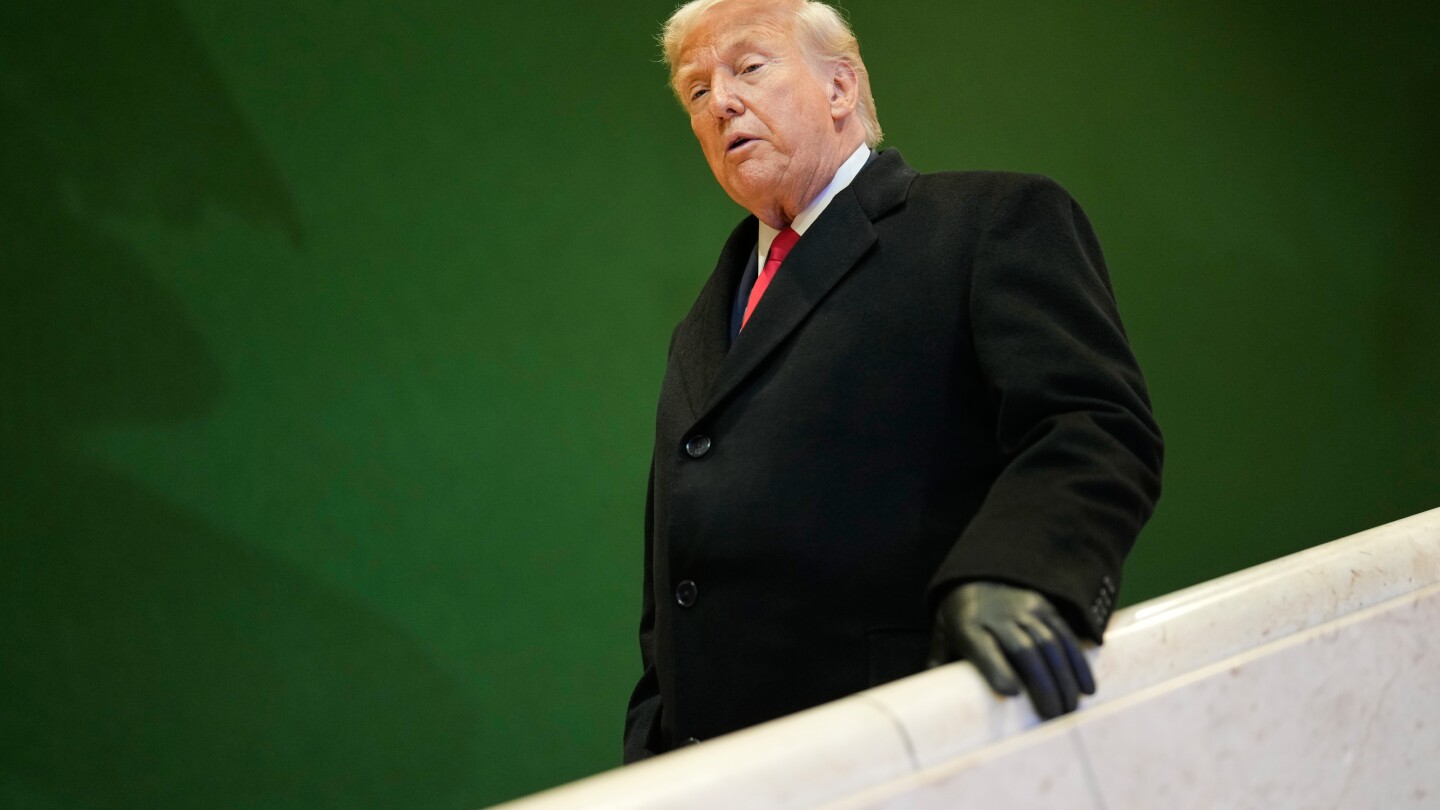
    BRUSSELS — European Union leadership is assembling for an urgent summit on Thursday to redefine transatlantic diplomacy following two weeks of diplomatic turbulence triggered by U.S. President Donald Trump’s volatile statements regarding Greenland. Although Trump recently retracted his threats to forcibly acquire the Danish autonomous territory and impose tariffs on eight European nations, the episode has exposed profound concerns about American reliability.

    The situation underscores deepening transatlantic tensions. European Commission President Ursula von der Leyen openly questioned Trump’s trustworthiness this week, particularly regarding his apparent readiness to abandon a July EU-U.S. trade agreement designed to prevent further tariffs. ‘In politics as in business – a deal is a deal. When friends shake hands, it must mean something,’ von der Leyen told EU lawmakers, emphasizing the importance of diplomatic consistency.

    Danish Prime Minister Mette Frederiksen remains firm that her country’s sovereignty is not negotiable, despite Trump’s sudden reversal. The hastily arranged ‘framework’ agreement that prompted Trump’s change of position remains shrouded in secrecy, fueling ongoing skepticism among European officials.

    Beyond Greenland, EU leaders are formulating a unified response to Trump’s proposed ‘Board of Peace,’ an initiative originally conceived to oversee Gaza ceasefire efforts but since expanded into a more ambitious international platform. Several European nations, including Norway, Slovenia, and Sweden, have declined participation. Trump responded characteristically, threatening French President Emmanuel Macron with ‘200% tariffs on his wines and champagnes’ should France refuse to join.

    While Hungary has accepted the invitation and Germany has offered a noncommittal response, European Council President António Costa acknowledged that the Trump administration presents fundamental challenges to European security, principles, and prosperity. ‘All these three dimensions are being tested in the current moment of transatlantic relations,’ Costa stated ahead of the summit.

    EU leaders have reaffirmed their commitment to international law, territorial integrity, and national sovereignty—principles they uphold in supporting Ukraine against Russian aggression and which Trump threatened regarding Greenland. The European Parliament has temporarily suspended ratification of the EU-US trade agreement in response to Trump’s tariff threats.

    The Greenland episode has galvanized European leaders to reconsider their relationship with their traditionally strongest ally. Polish Prime Minister Donald Tusk, a prominent advocate for strong transatlantic ties, warned that ‘appeasement is always a sign of weakness. Europe cannot afford to be weak — neither against its enemies, nor allies.’

    Von der Leyen revealed that the European Commission is developing plans for substantial economic investments in Greenland to strengthen its economy and infrastructure, alongside crafting a new European security strategy. She emphasized that the EU stands ‘fully prepared to act, if necessary, with unity, urgency and determination’ should tariffs be imposed, characterizing the current juncture as a critical ‘crossroads’ for European foreign policy.

  • Watches: Omega unveils reverse panda Speedmaster Moonwatch for 2026

    Watches: Omega unveils reverse panda Speedmaster Moonwatch for 2026

    In a significant horological development, Swiss luxury watchmaker Omega has introduced two distinctive iterations of its legendary Speedmaster Moonwatch for 2026, featuring the highly coveted reverse panda dial configuration. This release marks a thoughtful evolution rather than a radical transformation of the timepiece that achieved historical significance during NASA’s lunar missions.

    The new collection showcases sophisticated 42mm chronographs available in contrasting material executions: classic stainless steel and exclusive 18K Moonshine Gold. The reverse panda aesthetic—characterized by its striking black main dial with contrasting white sub-dials—represents a deliberate departure from conventional color schemes while maintaining the Speedmaster’s essential design DNA.

    Technical excellence manifests through the watches’ meticulously engineered dial architecture, employing a stepped, double-layer construction. The polished black upper dial receives multiple lacquer and varnish treatments to achieve a profound, liquid-like appearance, while the white sub-dials mirror this glossy finish beneath. This architectural approach creates remarkable visual depth and heightened legibility.

    The stainless steel variant embodies utilitarian elegance with rhodium-plated hands and hour markers filled with white Super-LumiNova for optimal visibility. Conversely, the 18K Moonshine Gold edition represents horological luxury through Omega’s proprietary gold alloy implementation throughout the case, markers, and hands, complemented by a PVD Moonshine Gold chronograph seconds hand.

    Both models incorporate Omega’s advanced Calibre 3861 movement—a hand-wound Co-Axial Master Chronometer mechanism representing the pinnacle of the Speedmaster’s technical evolution. The timepieces feature the brand’s signature polished-brushed bracelet equipped with patented comfort release adjustment technology.

    Positioned as permanent collection offerings, these chronographs will become available through Omega boutiques and authorized retailers commencing late January 2026, with pricing set at Dh40,950 for the steel version and Dh194,150 for the gold edition.

  • Aviation sci-fi park Nantianmen to open in 2027

    Aviation sci-fi park Nantianmen to open in 2027

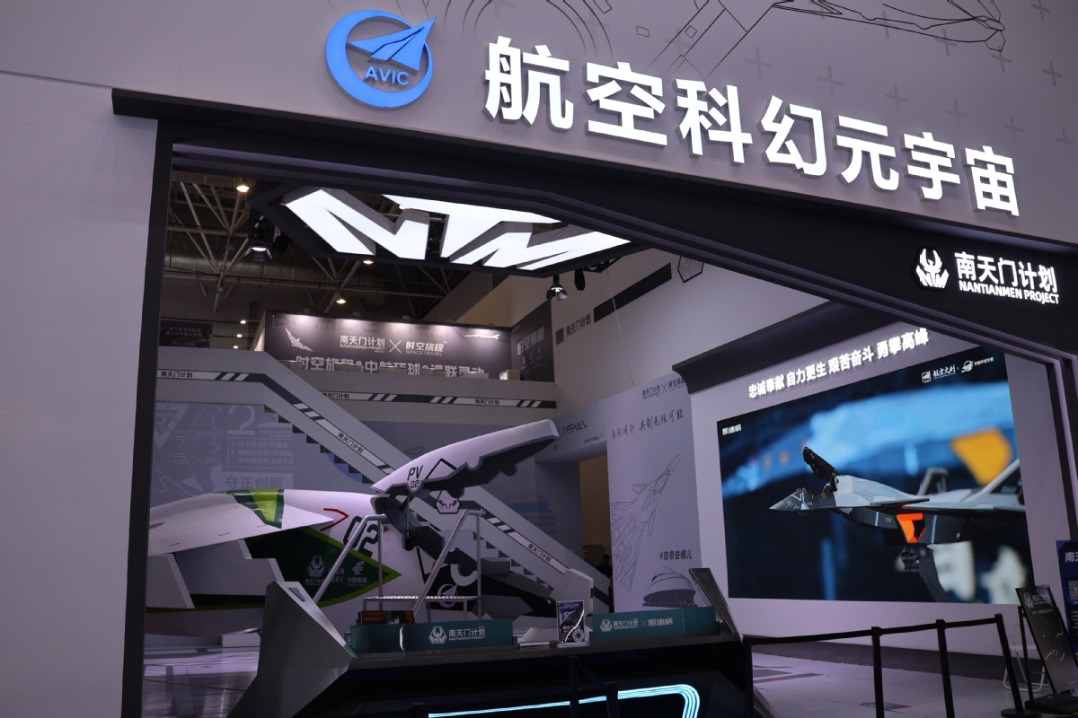
    Shanghai’s Lingang Special Area is poised to become home to the world’s first aviation science fiction theme park, with the highly anticipated Nantianmen Project scheduled for public opening on August 1, 2027. Spanning an impressive 80,000 square meters, this groundbreaking entertainment destination will transport visitors to a futuristic lunar military base for an immersive deep space experience.

    Developed by AVIC Global Cultural Communication, a subsidiary of the state-owned Aviation Industry Corporation of China, the park builds upon the extensive Nantianmen intellectual property launched in 2017. The franchise has already generated substantial lore content exceeding hundreds of thousands of words and features over one hundred original weapon designs, creating a rich narrative foundation for the park’s attractions.

    According to Zhou Yixiao, General Manager of the Nantianmen Project’s Shanghai base, major construction milestones will be completed by the end of this year, enabling internal testing phases before the public debut. The park represents a significant fusion of cutting-edge military-industrial technology and creative storytelling, incorporating advanced artificial intelligence systems throughout visitor experiences.

    Ding Li, Editor-in-Chief of AVIC Global Cultural Technology, emphasized the project’s dual purpose as both entertainment venue and educational platform. ‘This ambitious venture not only presents a visionary future for aviation technology but also serves to promote aviation culture and provide public science education through immersive experiences,’ Ding stated in recent media briefings.

    Visitors will assume roles as recruits in a deep space defense force, participating in guided simulations of lunar base defense and attack scenarios. The park’s innovative design integrates actual aerospace technology concepts with science fiction elements, creating a unique blend of entertainment and technological inspiration that aims to set new standards for theme park experiences worldwide.