作者: admin

  • Leading the 2-test series 1-0, South Africa wins the toss and bats 1st against India

    Leading the 2-test series 1-0, South Africa wins the toss and bats 1st against India

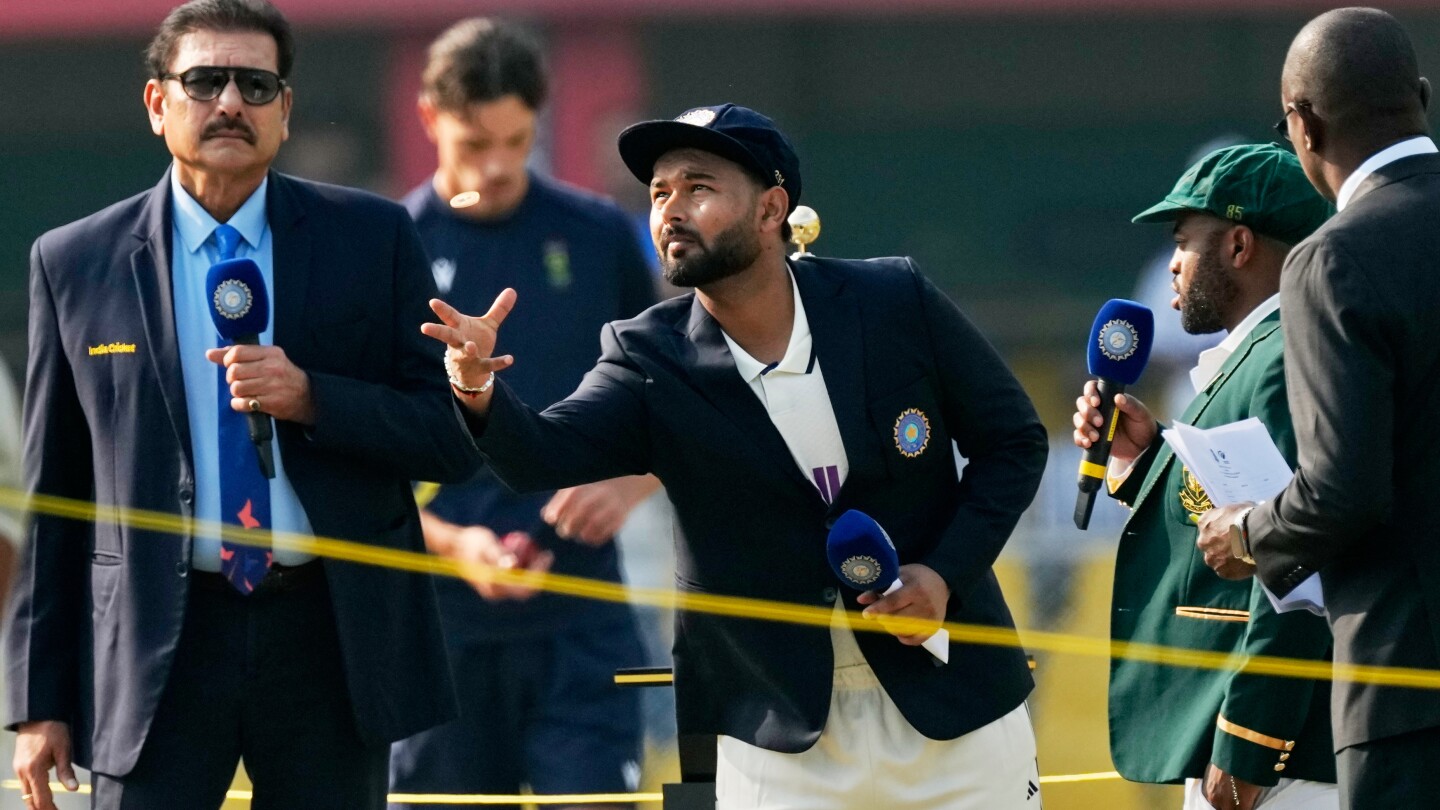
    In a pivotal moment for cricket enthusiasts, South Africa’s captain Temba Bavuma won the toss and chose to bat against India in the second test match held at the Barsapara Stadium in Guwahati. This venue marks its debut as the 30th test cricket ground in India and commemorates the 300th test match played on Indian soil. The Proteas, fresh from their 30-run victory in the first test at Kolkata—their first test win in India in 15 years—are aiming to secure their first test series triumph in the country since the 2000-01 season.

    India, led by stand-in captain Rishabh Pant, faced an unfortunate streak in toss outcomes, losing eight of the nine tosses in tests this year. Pant stepped in for Shubman Gill, who was sidelined due to a neck spasm sustained during the first test. India introduced two changes to their lineup: batting all-rounder Nitish Reddy replaced Gill, while Sai Sudharsan was preferred over left-arm spin all-rounder Axar Patel.

    South Africa also made a strategic adjustment, bringing in left-arm spin all-rounder Senuran Muthusamy for medium-pace all-rounder Corbin Bosch. The pitch at Barsapara Stadium, composed primarily of red soil, is expected to offer consistent bounce, with spin likely to dominate as the game progresses. This match follows the previous test at Eden Gardens, which concluded within three days, adding to the anticipation surrounding the pitch’s behavior.

    Both teams are set for an intense battle as South Africa seeks to extend their winning momentum, while India aims to level the series. The lineups feature a mix of seasoned players and emerging talents, promising an exciting contest for cricket fans worldwide.
  • Africa’s first G20 summit opens with an ambitious agenda and tries to move on from Trump’s boycott

    Africa’s first G20 summit opens with an ambitious agenda and tries to move on from Trump’s boycott

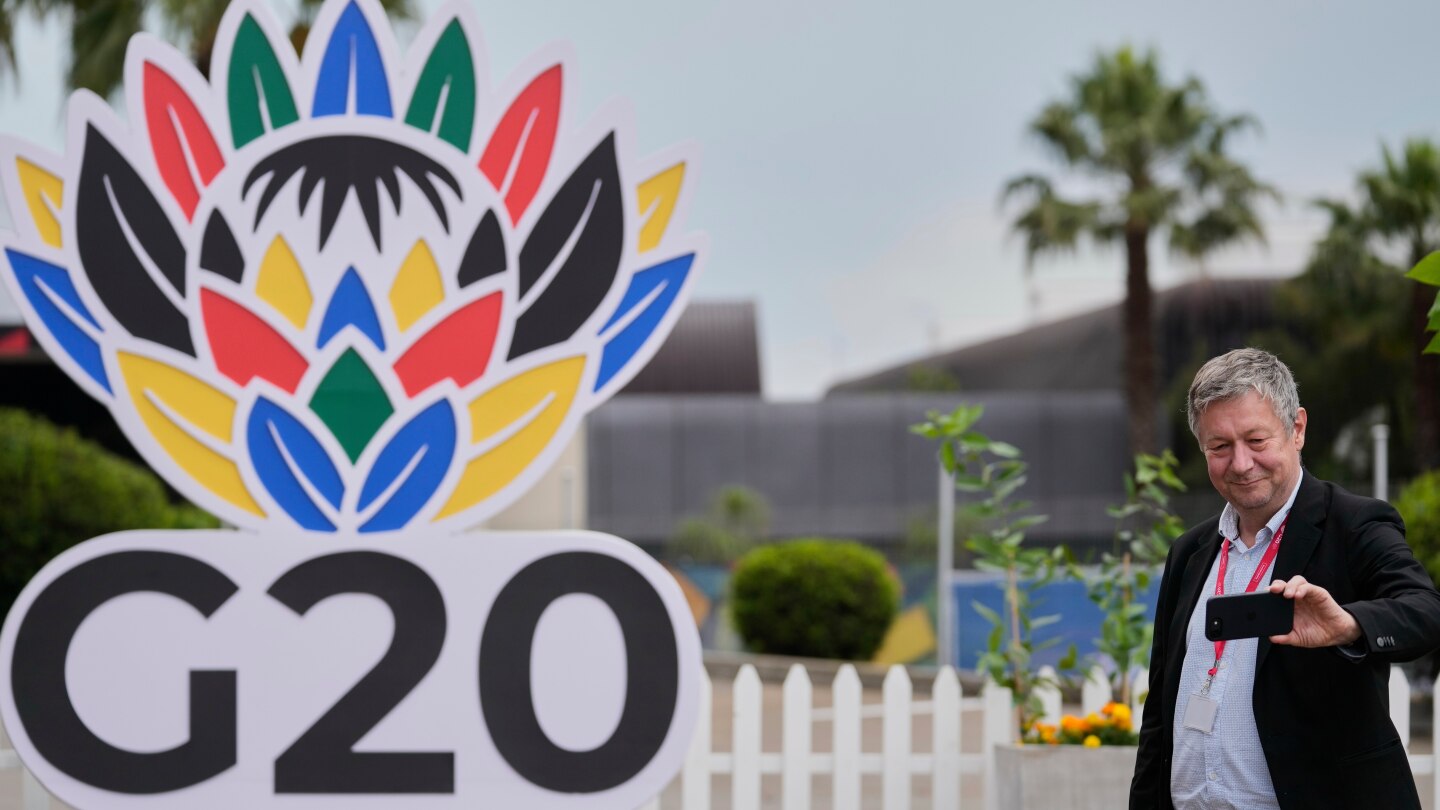
    The inaugural Group of 20 (G20) summit hosted in Africa commenced on Saturday in Johannesburg, South Africa, with a bold agenda aimed at addressing persistent challenges faced by the world’s poorest nations. Leaders and top officials from the world’s wealthiest and emerging economies gathered near Soweto, a historic township once home to Nelson Mandela, to seek consensus on key priorities outlined by the host country. These include aiding poor nations in recovering from climate-related disasters, reducing foreign debt burdens, transitioning to green energy, and leveraging critical mineral resources to combat global inequality. United Nations Secretary-General António Guterres expressed cautious optimism, acknowledging South Africa’s efforts in spotlighting these issues. However, the summit faced a significant setback as U.S. President Donald Trump ordered a boycott, citing claims of South Africa’s anti-white policies. This diplomatic rift threatened to overshadow the event, though leaders like French President Emmanuel Macron emphasized the need to move forward despite the absence. The G20, comprising 19 nations, the European Union, and the African Union, was established in 1999 to bridge the gap between rich and poor nations during global financial crises. Despite its influence—representing 85% of the global economy and over half the world’s population—the G20 operates on consensus, often hindered by conflicting member interests. Guterres warned that wealthy nations have historically failed to make necessary concessions for effective global reforms. The summit’s traditional leaders’ declaration faced uncertainty, with South Africa resisting U.S. pressure to issue a unilateral statement. President Cyril Ramaphosa vowed not to be intimidated, promising a collective declaration. As the U.S. prepares to assume the G20 presidency, the bloc’s focus on climate change and inequality may shift sharply under the Trump administration. The U.S. will only participate in the formal handover ceremony, a move South Africa deemed insulting.

  • Who was Namansh Syal, Indian Tejas fighter jet pilot who died in Dubai Airshow crash?

    Who was Namansh Syal, Indian Tejas fighter jet pilot who died in Dubai Airshow crash?

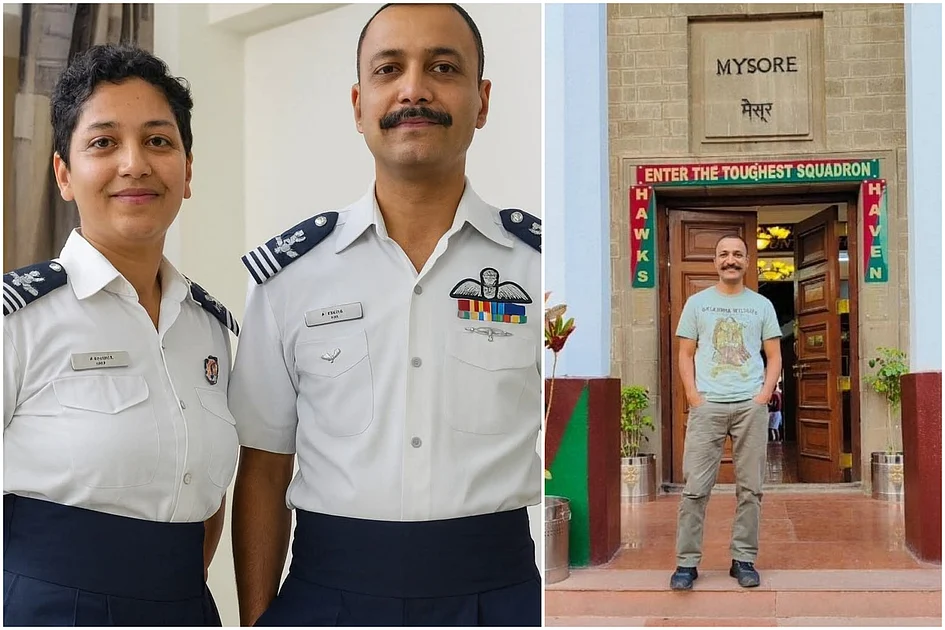
    A tragic incident unfolded at the Dubai Airshow on Friday afternoon when an Indian Tejas fighter jet, piloted by Wing Commander Namansh Syal, crashed during a display. The 34-year-old pilot, a highly skilled member of the Indian Air Force’s No. 45 Squadron, the Flying Daggers, could not eject in time and perished as the aircraft burst into flames. The event, which was meant to showcase India’s indigenous Light Combat Aircraft (LCA), ended in shock and sorrow for spectators and the nation alike. This marks the second known Tejas accident but the first fatal one at an international airshow. The Chief Minister of Himachal Pradesh, Sukhvinder Singh Sukhu, confirmed Syal’s identity in a heartfelt post on X, describing him as a brave and courageous son of Kangra district. Syal’s family has a strong connection to the Indian Air Force, with his father being a retired officer and his wife currently serving as a senior officer. The Indian Air Force and Defence Minister Rajnath Singh have expressed deep condolences, while Hindustan Aeronautics Ltd (HAL), the manufacturer of the Tejas, mourned the loss of a ‘courageous pilot.’ A court of inquiry has been initiated to determine the cause of the crash. The incident has cast a shadow over India’s participation in the Dubai Airshow, where it has showcased its aerospace innovations for decades.

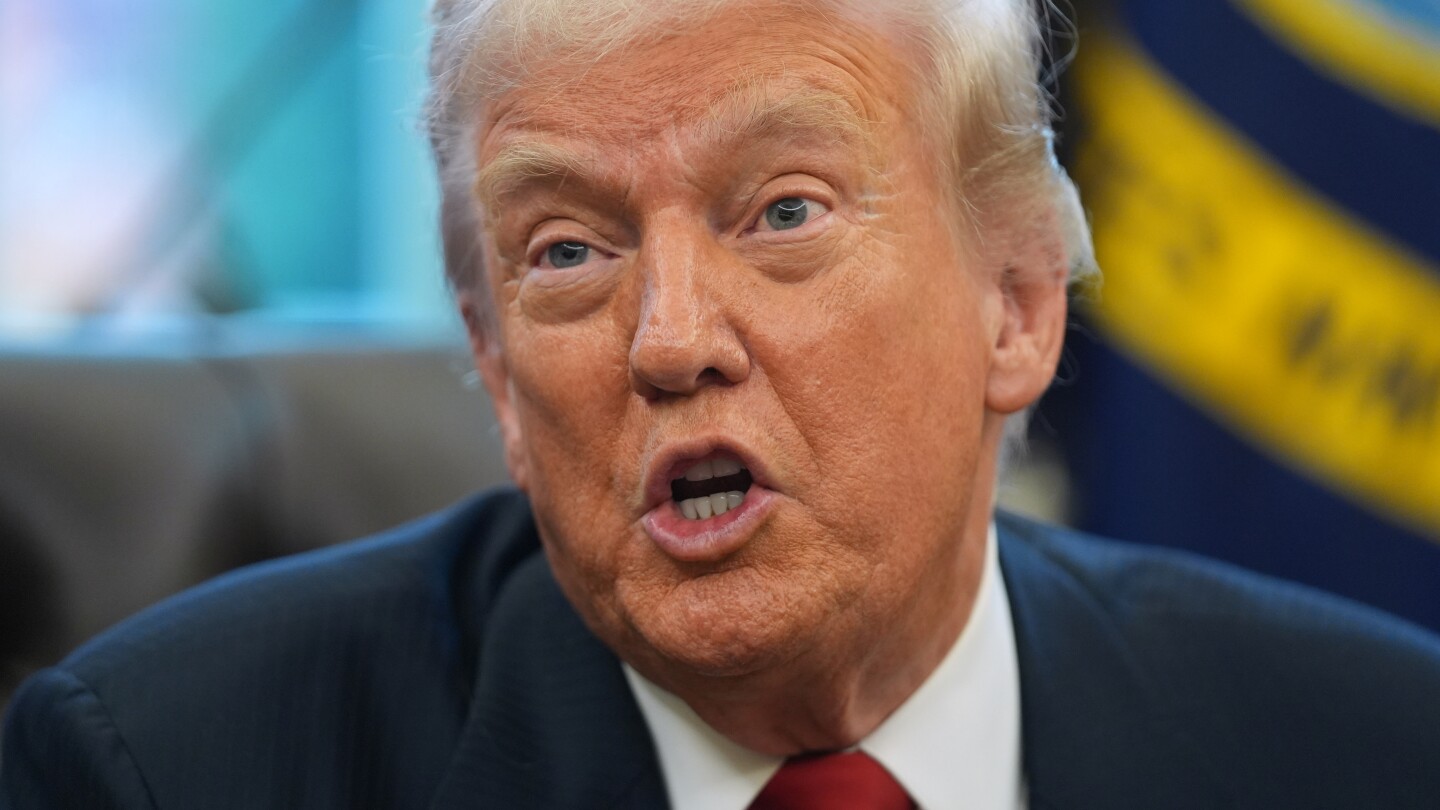
  • Trump says he’s terminating legal protections for Somali migrants in Minnesota

    Trump says he’s terminating legal protections for Somali migrants in Minnesota

    In a significant policy shift, former President Donald Trump declared on Friday night that he is ‘immediately’ ending Temporary Protective Status (TPS) for Somali migrants residing in Minnesota. This move is part of a broader effort to dismantle immigration protections that his administration has consistently targeted. Minnesota, home to the largest Somali community in the United States, has long been a refuge for individuals fleeing the prolonged civil war in Somalia, attracted by the state’s supportive social programs. However, the actual number of migrants affected by this decision may be minimal. A congressional report from August revealed that only 705 Somalis nationwide are currently covered by TPS. Established in 1990, the TPS program was designed to prevent the deportation of individuals to countries experiencing natural disasters, civil unrest, or other hazardous conditions. The Homeland Security Secretary has the authority to grant TPS in 18-month increments. Trump announced his decision on social media, alleging that Minnesota is ‘a hub of fraudulent money laundering activity’ and accusing Somali gangs of terrorizing the state. He vowed to send them back to their country of origin, stating, ‘It’s OVER!’ This announcement aligns with Trump’s campaign promise to deport millions of people and his administration’s broader agenda to implement stringent immigration policies. Previously, the Trump administration had revoked TPS for hundreds of thousands of Venezuelans and Haitians, and sought to limit protections for migrants from Cuba, Syria, and other nations.

  • Our babies were taken after ‘biased’ parenting test – now we’re fighting to get them back

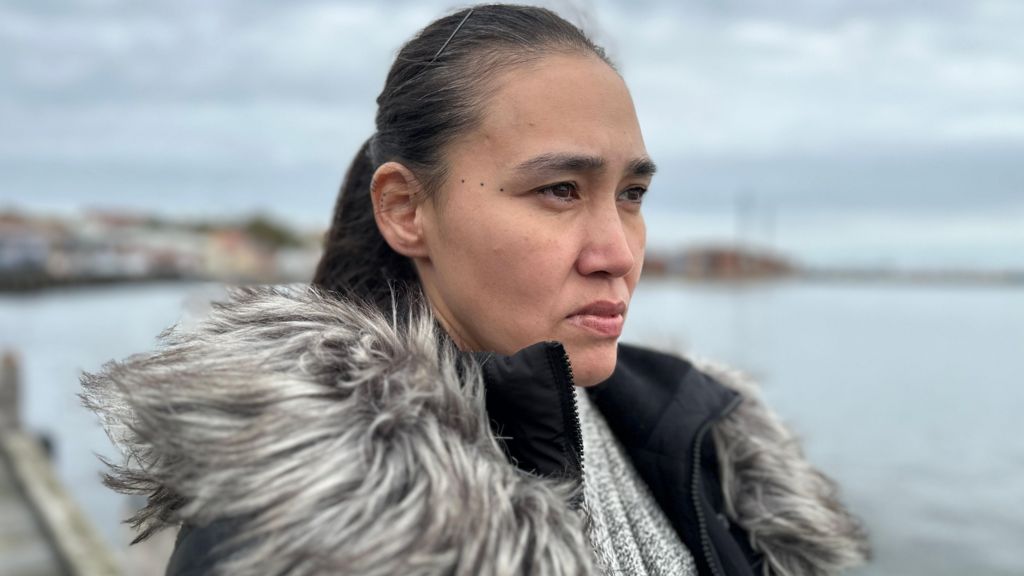
    Our babies were taken after ‘biased’ parenting test – now we’re fighting to get them back

    Keira, a 39-year-old Greenlandic mother, recounts the heart-wrenching moment her newborn daughter, Zammi, was taken from her arms just two hours after birth. ‘I started counting the minutes from the moment she was born,’ Keira recalls, her voice trembling. ‘When they took her, I sobbed uncontrollably, whispering ‘sorry’ to my baby. It felt like a part of my soul died.’ Keira’s story is not unique. She is one of many Greenlandic families living in Denmark who have had their children removed by social services following parental competency tests, known as FKUs. These tests, which include cognitive tasks, personality assessments, and interviews, have been criticized for being culturally biased and linguistically inappropriate, as they are conducted in Danish rather than Kalaallisut, the native language of most Greenlanders. In May 2023, the Danish government banned the use of FKUs on Greenlandic families after decades of criticism, but the tests continue to be used on other families. Despite the ban, only 10 cases involving FKUs have been reviewed, and no children have been returned to their families. Keira’s 2024 assessment concluded she lacked ‘sufficient parental competencies,’ a decision she disputes. She remains hopeful, keeping a cot and baby clothes ready for Zammi’s return. Meanwhile, other Greenlandic parents, like Johanne and Ulrik, whose son was adopted in 2020, face even steeper odds. The Danish government has stated it will not reopen adoption cases, leaving many families in limbo. The emotional toll on these parents is immense, as they fight to reclaim their children and preserve their cultural heritage.

  • The Christian converts the US is deporting back to Iran

    The Christian converts the US is deporting back to Iran

    In a troubling turn of events, Iranian Christian converts seeking asylum in the United States are facing deportation back to Iran, where they fear persecution and imprisonment. One such individual, Danesh (a pseudonym), fled Iran in October 2024 after enduring repeated detentions and alleged torture due to his involvement in the Mahsa Amini protests and subsequent conversion to Christianity. Despite being granted protection from removal by an immigration judge, Danesh was forcibly moved from a Texas detention center to a military airfield in Louisiana and placed on a deportation flight to Nicaragua. From there, he was routed through Venezuela and Turkey, ultimately fearing a forced return to Iran. Danesh managed to escape in Istanbul, but his story is not unique. Several Iranian Christian converts have reported similar experiences, with their asylum claims rejected and sensitive information about their religious conversions allegedly mishandled by US authorities. This situation contrasts sharply with President Trump’s vocal condemnation of Christian persecution abroad, particularly in Nigeria. The US has recently made unprecedented changes to its immigration policy, including arranging a chartered flight to Iran via Qatar, despite the lack of diplomatic ties and Iran’s poor human rights record. Dozens of Iranians, including the wife of an Iranian Christian convert now living in the US, were deported on this flight. Upon arrival, they were questioned about their religious activities, though not immediately arrested. However, the wife has since been summoned by Iranian intelligence, heightening fears for her safety. Legal experts and advocates argue that the US immigration system is failing to adequately assess the risks faced by Iranian Christian converts, leading to inconsistent asylum outcomes even within the same household. For example, Marjan, a Christian convert, was granted asylum in California, while her husband, Reza, was ordered to be removed to a third country. As the US continues its crackdown on illegal immigration, the plight of Iranian Christian converts highlights the complexities and potential dangers of deportation policies.

  • India’s blind women cricketers chase history at first T20 World Cup

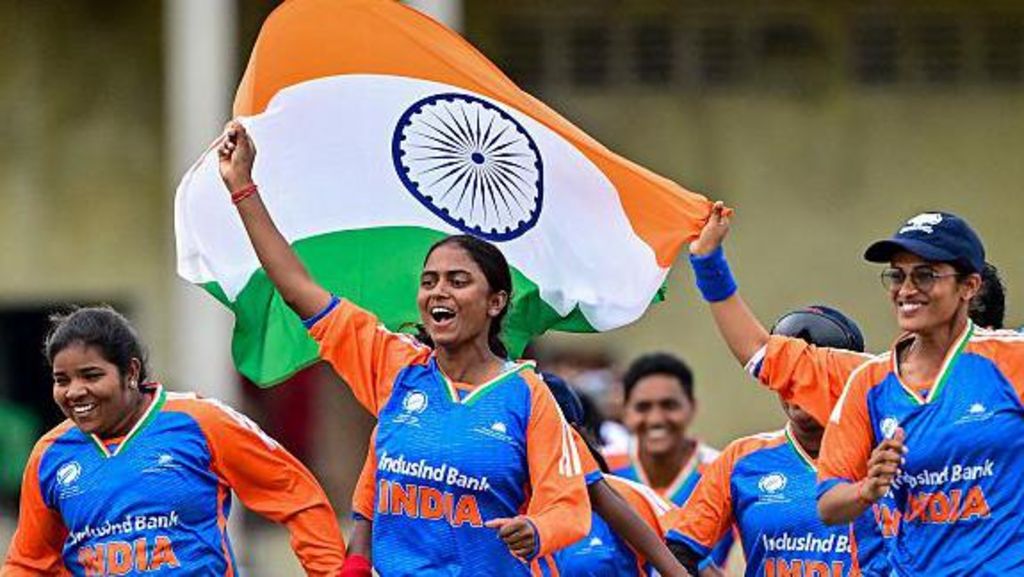
    India’s blind women cricketers chase history at first T20 World Cup

    The inaugural Blind Women’s T20 Cricket World Cup has become a platform for extraordinary stories of resilience and determination, particularly for the Indian team. Comprising players from diverse rural backgrounds, these women have overcome significant societal and personal challenges to compete on the global stage. The tournament, which began on November 11 in Delhi and moved to Colombo for the knockout stages, features six teams: India, Nepal, Pakistan, Sri Lanka, Australia, and the USA. The Indian squad, representing nine states, has emerged as a dominant force, winning all five of their matches and securing a spot in the semi-finals. Blind cricket, played with a plastic ball containing metal bearings that produce sound, requires players to rely on auditory cues. Players are classified into B1, B2, and B3 categories based on their level of visual impairment, with B1 players being fully blind. The Indian team’s journey is led by captain Deepika TC, who lost her vision in an accident as a child. Her leadership has been pivotal, inspiring her teammates and drawing support from cricketing legends like Jemimah Rodrigues and Shubman Gill. The team’s success is a testament to the efforts of the Cricket Association for the Blind in India (CABI), which has been instrumental in promoting the sport among visually impaired women. The tournament has not only provided a stage for these athletes but also highlighted the need for greater inclusivity in sports. As the semi-finals and final approach, the Indian team aims to make history by securing the championship, further elevating the profile of blind cricket globally.

  • Mahmoud Khalil sues Trump administration to release communication with anti-Palestinian groups

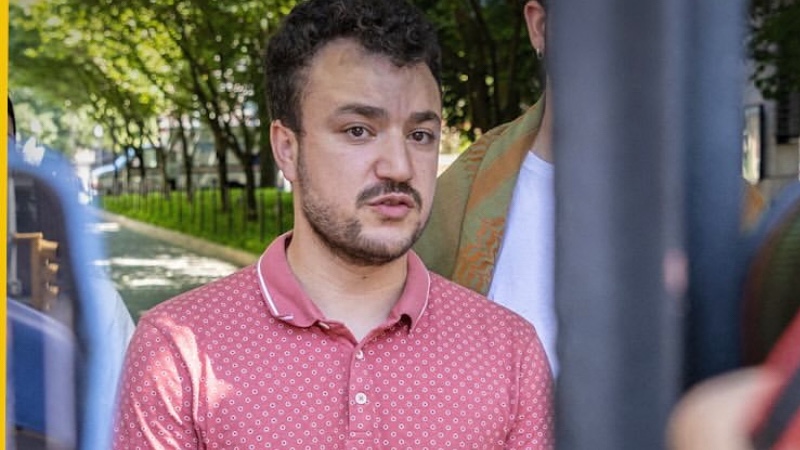
    Mahmoud Khalil sues Trump administration to release communication with anti-Palestinian groups

    Palestinian activist Mahmoud Khalil has initiated a lawsuit against the Trump administration, demanding the release of communications between federal agencies and anti-Palestinian organizations that allegedly led to his arrest in March 2025. Khalil, a green-card holder married to a U.S. citizen, was detained by Immigration and Customs Enforcement (ICE) during a government crackdown on alleged antisemitism across U.S. campuses. His arrest followed claims by groups like Canary Mission and Betar USA, which boasted of sharing information on pro-Palestinian activists with U.S. Secretary of State Marco Rubio. Khalil accused these organizations of orchestrating a smear campaign to silence his advocacy against Israel’s actions in Gaza. The lawsuit was filed after the Trump administration ignored Khalil’s Freedom of Information Act request for related documents. During a trial, an ICE official revealed that the agency reviewed over 5,000 names provided by Canary Mission, a site accused of blacklisting pro-Palestinian voices. Khalil, who was detained in Louisiana for three months, was denied the chance to attend the birth of his child. A federal judge later ruled his detention unconstitutional, but the Trump administration attempted to deport him, alleging omissions on his green card application. Khalil is now seeking $20 million in damages and full transparency regarding the alleged collusion between federal agencies and anti-Palestinian groups.

  • Japan’s first female leader faces a taboo over entering the male-only sumo ring

    Japan’s first female leader faces a taboo over entering the male-only sumo ring

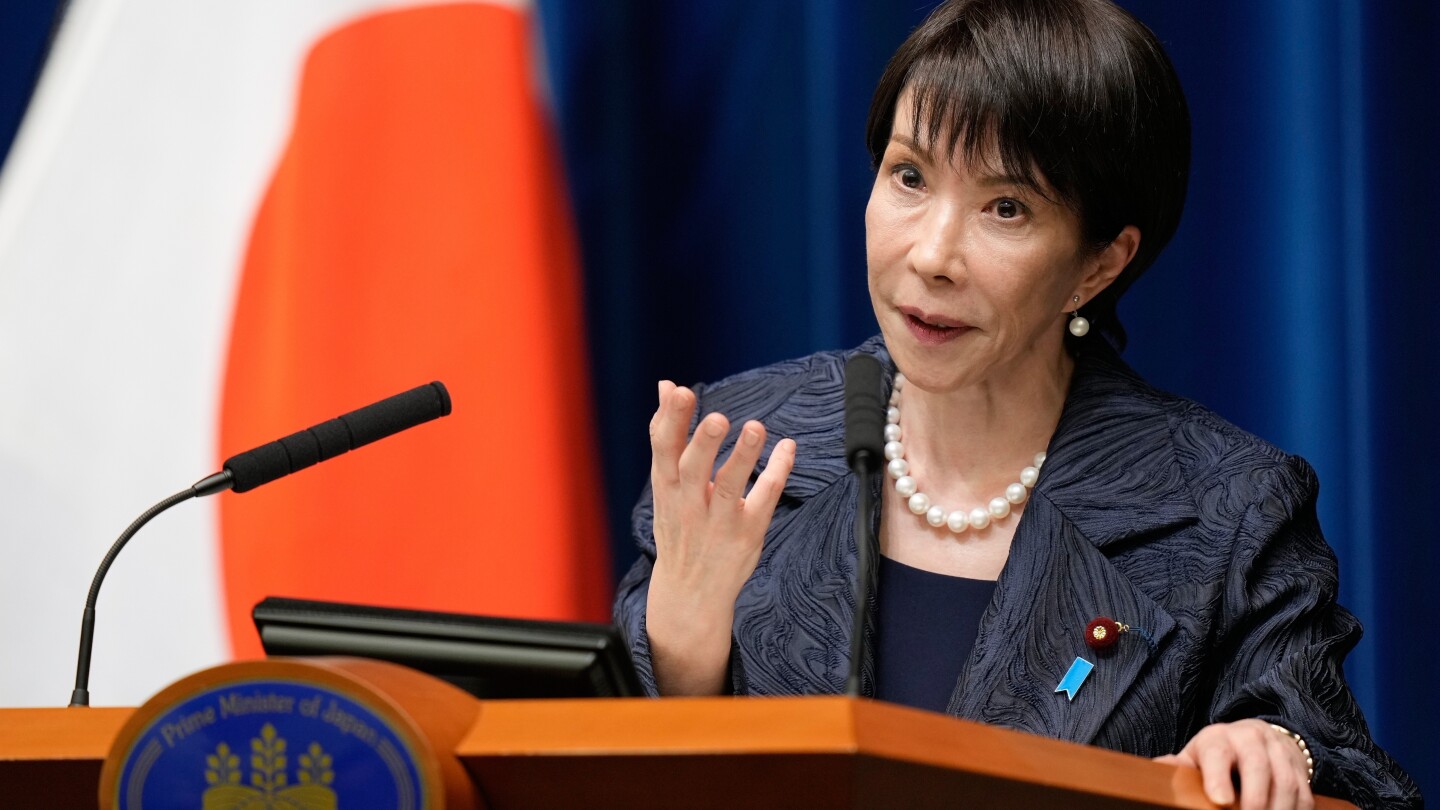
    Sanae Takaichi, Japan’s first female prime minister, has sparked a national debate over the long-standing taboo barring women from entering the sumo ring. While Takaichi’s historic election in October marked a significant milestone for gender equality in Japan, her stance on traditional gender roles has raised questions about whether she will challenge this cultural norm. The issue came to the forefront as the Kyushu Grand Sumo Tournament concluded, with the winner traditionally receiving the Prime Minister’s Cup from the prime minister. However, Takaichi, who was attending the G20 summit in South Africa, missed the opportunity to make a decision this time. Her next chance will be during the New Year’s tournament in Tokyo. The controversy over women’s exclusion from the sumo ring is part of a broader debate about gender equality in Japan, where women are still banned from certain sacred spaces and festivals due to historical beliefs about female ‘impurity.’ Despite efforts to eliminate such bans, they persist in some religious and cultural practices. Sumo, with its 1,500-year history, has faced criticism for its exclusion of women, though the Japan Sumo Association denies that the ban is rooted in Shinto beliefs about impurity. Takaichi, a staunch conservative, has not indicated whether she will challenge the tradition, but her decision could have significant implications for Japan’s evolving gender dynamics.

  • Dubai Run 2025: RTA announces list of roads affected, closure timings

    Dubai Run 2025: RTA announces list of roads affected, closure timings

    As Dubai prepares for the highly anticipated Dubai Run 2025, the Road and Transport Authority (RTA) has released detailed information regarding road closures and alternative routes to ensure a smooth event. Scheduled for Sunday, November 23, 2025, the Dubai Run is a flagship event of the Dubai Fitness Challenge, transforming the city into a massive running track. The RTA has announced that road closures will be in effect from 3:00 AM to 10:00 AM on the event day. Participants are advised to plan their journeys in advance and utilize the suggested alternative routes to avoid disruptions. The event offers flexible start times for registered participants, beginning as early as 4:00 AM, with the official run commencing at 6:30 AM and the start line closing at 8:00 AM. The RTA has also shared a video highlighting the affected roads, encouraging residents and visitors to stay informed and prepared. This annual event not only promotes fitness and wellness but also showcases Dubai’s commitment to fostering a healthy and active community.